

Sri Lanka is an island escape that captivates visitors with its year-round warmth, sparkling seas and abundant sunshine. Despite its compact size, the island offers remarkably diverse weather patterns, meaning there’s always a perfect destination to suit any season.
Temperatures generally range from 25°C to 35°C (77°F to 95°F), with coastal and lowland areas tending to be hot and humid, while the central highlands provide a cooler, more temperate escape. In the scenic tea country, temperatures hover between 15°C and 25°C (59°F – 77°F), offering a refreshing break from the tropical heat below.
The island’s climate is shaped by two main monsoon seasons: the Yala monsoon, which brings rain to the south and west from May to July, and the Maha monsoon, affecting the north and east from October to January. Between these periods, inter-monsoonal months provide sunshine interspersed with short, warm tropical showers that nourish Sri Lanka’s lush landscapes without disrupting your travels.
For first-time visitors, thinking about Sri Lanka by region rather than month can make planning a trip easier. Each area has its own seasonal rhythm, with some regions experiencing peak sunshine while others see rainfall. Below, we explore the country region by region, highlighting top things to do, the best time to visit and the Uga properties that make an ideal base for your journey.
Negombo & the West Coast: December to March
Negombo and the surrounding west coast of Sri Lanka are famous for golden beaches, scenic lagoons and vibrant fishing towns. You can explore the historic canals, visit bustling fish markets or simply relax on sun-drenched shores.
The region enjoys the best weather from December to March, perfect for swimming, sailing, and water sports. Shoulder months like November and April provide a quieter, off-peak experience with mild temperatures and fewer tourists.

Uga Riva offers a boutique retreat in the heart of the west coast, combining stylish rooms with garden views set within a lush five-acre coconut estate. Staying here lets you enjoy the relaxed coastal lifestyle, perhaps exploring Negombo by tuk-tuk, while having a comfortable and peaceful base.
Hatton & the Hill Country: January to April
Sri Lanka’s hill country is a landscape of rolling hills, tea plantations, waterfalls and colonial towns. This cooler, temperate region is the ideal destination for trekking, taking scenic drives, riding looping train lines and visiting tea estates.
The best months to travel here are January to April, whether you’re cycling through tea plantations, kayaking Castlereagh Reservoir or hiking the Pekoe Trail, the dry weather will make sightseeing and exploring more enjoyable. Shoulder months like December and May boast off-peak travel with fewer crowds and tranquil surroundings for immersive photography and exploration.
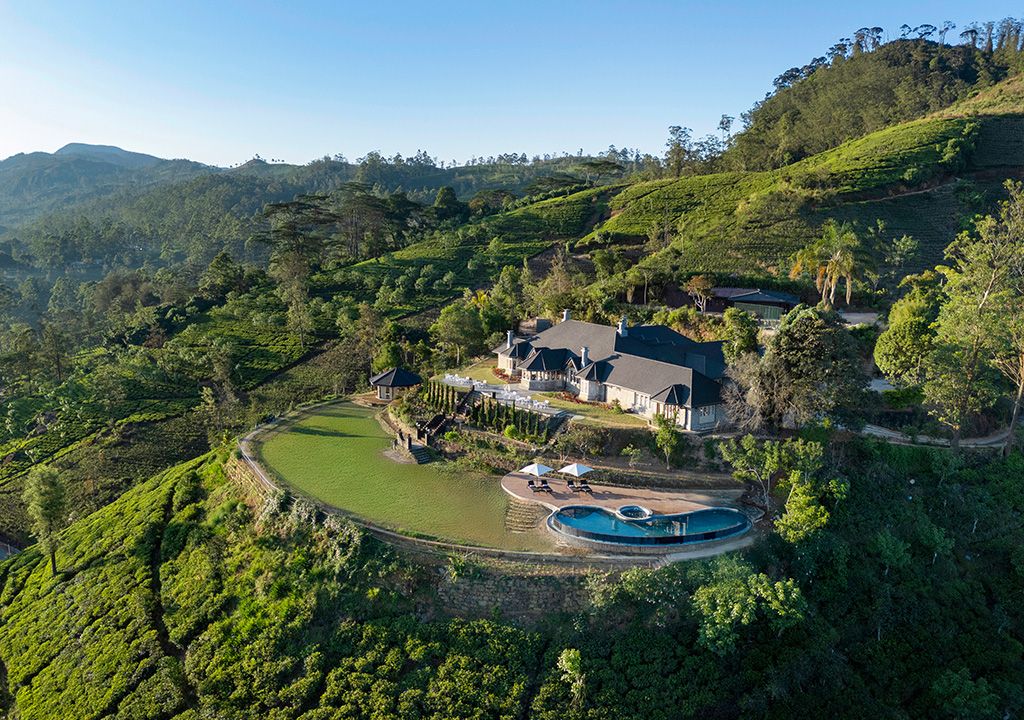
Uga Halloowella is set amidst these lush highlands, offering boutique-style rooms with mountain views and a serene atmosphere. Staying here provides easy access to tea plantations, waterfalls and cultural landmarks, while offering a luxurious retreat after a day of adventure.
South & Southeast: December to March
The south and southeast coast is famous for long, sandy beaches, turquoise waters and charming fishing villages. It’s also home to Sri Lanka’s largest and oldest national park, Yala, and a plethora of other wildlife reserves that lie slightly inland. Highlights of a trip here may include watching elephants at Udawalawe National Park and tracking leopards in Yala, perhaps you’ll try surfing in Unakuruwa or head out onto the waters for a spot of whale watching.
The peak dry season from December to March brings sun-soaked days, while shoulder months like November and April allow visitors to experience the national park and coastal towns with fewer crowds and mild weather.
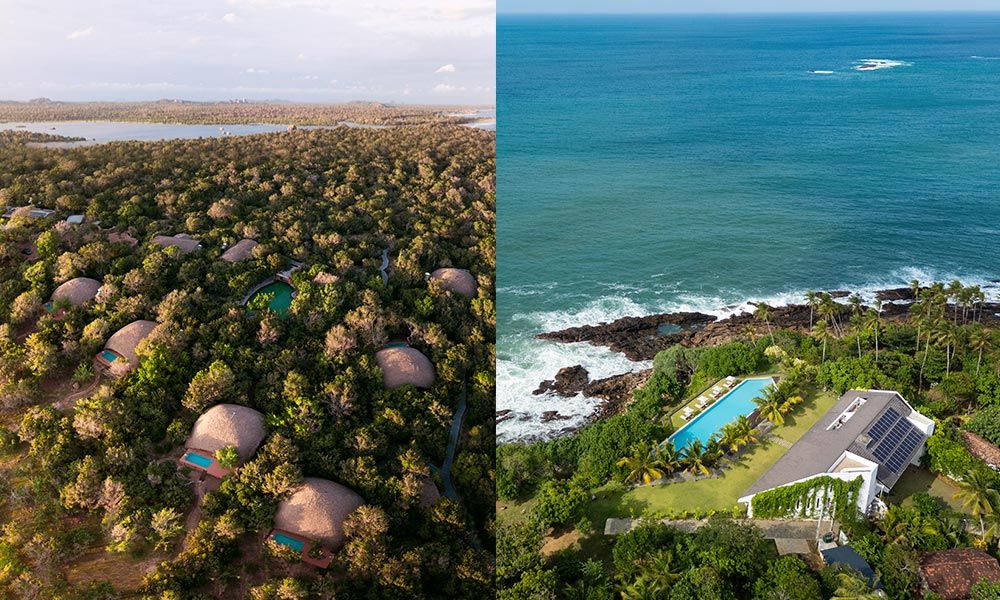
Uga Chena Huts on the fringes of Yala National Park provides authentic, boutique accommodation on the southern coastline. Luxuriously appointed, rustic ‘huts’ offer direct wilderness access, stylish rooms and a tranquil atmosphere from which to venture into the national park. Further west, Uga Prāva offers a serene, clifftop sophistication with beautifully designed rooms, lush gardens and easy access to Tangalle and its nearby beaches.
Both properties provide an ideal base to explore the south coast while combining luxury, privacy and a connection to nature.
North Central Province: February to September
The North Central Province is Sri Lanka’s cultural heartland, home to ancient cities like Anuradhapura and Polonnaruwa, wildlife-rich national parks and sprawling plains.
The best time to visit is from February to September, when dry weather makes sightseeing and safaris more enjoyable. It’s the perfect time to cycle around Anuradhapura, wander the ancient city of Polonnaruwa with a guide, experience the elephant gathering at Minneriya or explore the region by horseback. Shoulder months, like January and October, offer a quieter experience, ideal for exploring ancient temples such as Dambulla and wildlife reserves without the crowds.
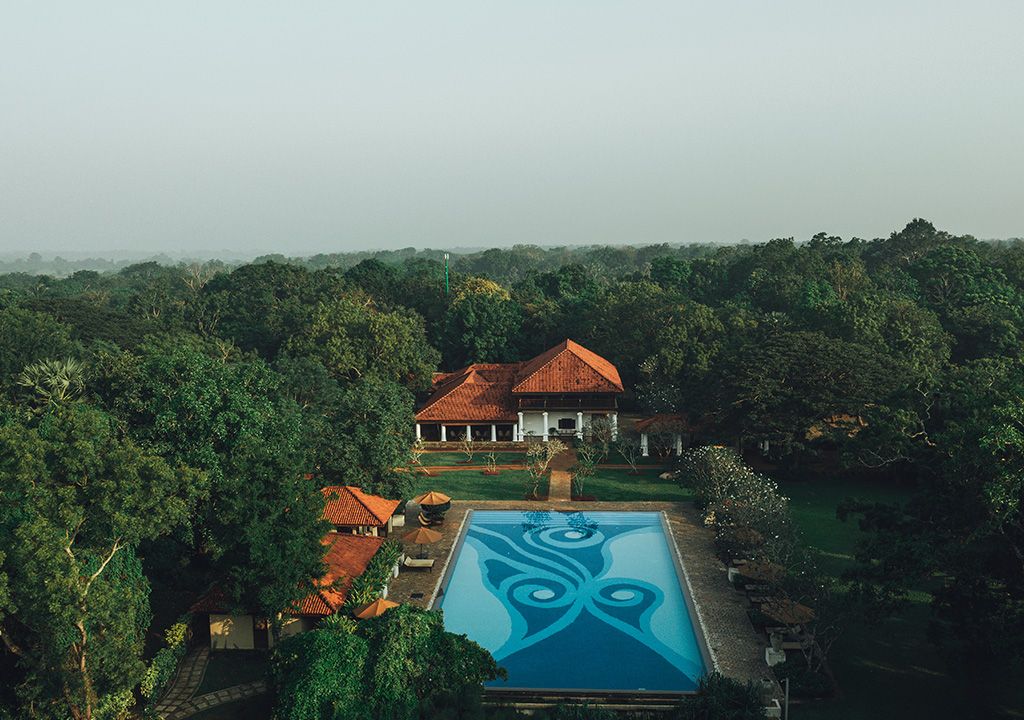
Uga Ulagalla provides a serene boutique retreat surrounded by historic landscapes. Guests enjoy spacious villas, a refreshing pool and attentive service, creating the perfect base for exploring the province’s archaeological sites, wildlife and natural beauty.
East & Northeast Coast: May to September
The east and northeast coast of Sri Lanka is a serene treasure of long sandy beaches, calm turquoise waters and a relaxed, lowkey vibe, ideal for travellers looking to escape the crowds.
With the sea generally peaceful from May to September, this region becomes perfect for swimming, snorkelling, diving and laidback beach days. It’s also the perfect time for some whale and dolphin watching, with a chance to see the vast blue whales as they follow their ancient migration routes along the coast.
Shoulder months like April and October offer slightly quieter seas and a gentler tempo, giving visitors the chance to enjoy the coast in a more tranquil, offpeak mood, perhaps exploring Pigeon Island Marine National Park, or heading out on a sailing boat to give a fresh perspective of the wonderful scenery. It’s also cooler for more strenuous sightseeing trips, such as climbing the Koneswaram Temple.
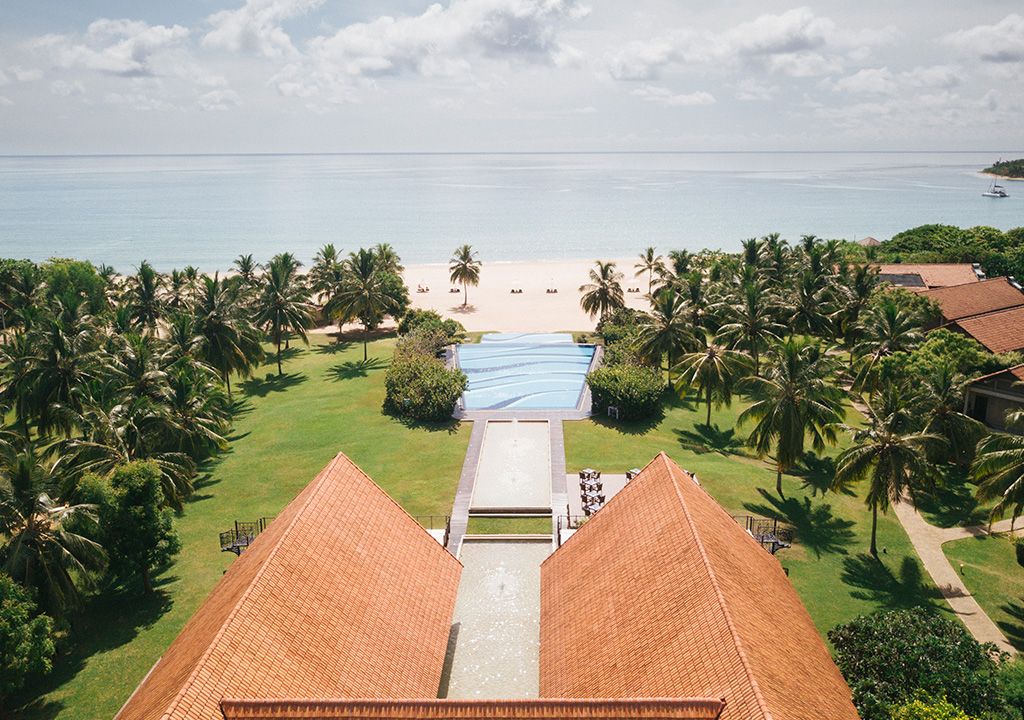
The Bay an Uga Experience sits on the beautiful Pasikuda Bay and combines tropical simplicity with Mediterranean-inspired design, offering a relaxed yet sophisticated beach retreat. Guests stay in spacious studios, beach villas or suites, all arranged to give either ocean or garden views, alongside a generous infinity pool and full resort amenities.
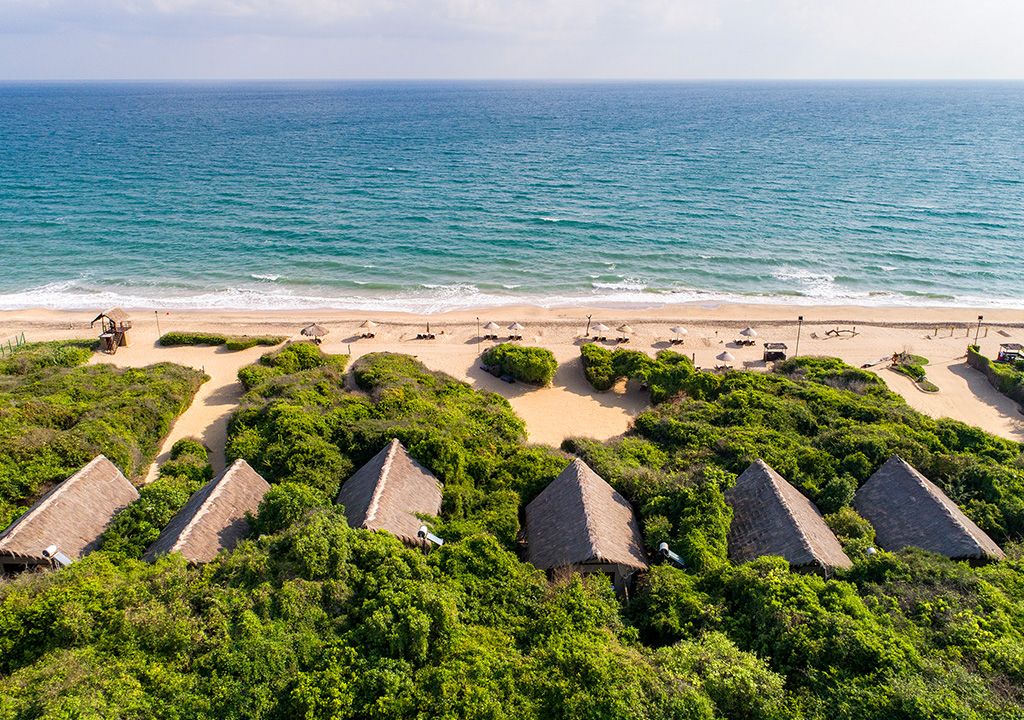
By contrast, Jungle Beach an Uga Experience delivers a truly immersive “back to nature” experience: nestled in a secluded stretch of jungle that opens onto a virtually deserted white sand beach, the resort features rustic, yet luxurious cabins hidden among trees. With a quiet, organic atmosphere, this is perfect for travelers looking for privacy, tranquility and a sense of escape.


 youtube
 instagram
 share
share