

Six of The Best Cultural Experiences in Sri Lanka
Sri Lanka is blessed with a complex but beguiling history and religious identity that’s been carefully preserved in monuments like Sigiriya Rock and the city-site of Anuradhapura. The very best cultural experiences, in our opinion, allow you to get up close to these places and witness not just the monuments of old but also how Sri Lankan culture is very much alive and fluid. You feel it while standing among worshippers in Konesawaram Temple, eating freshly made hoppers at a street market or watching tea pickers go about their fastidious work. Uga’s properties can give you access to moments like these, and many more.
The experiences we’ve selected here won’t just see you pay homage to the country’s iconic sites, they’ll give you a vivid sense of the Sri Lanka of today, from its best-loved food to the spirituality that underpins everyday life.
Touring the UNESCO World Heritage Site of Sigiriya
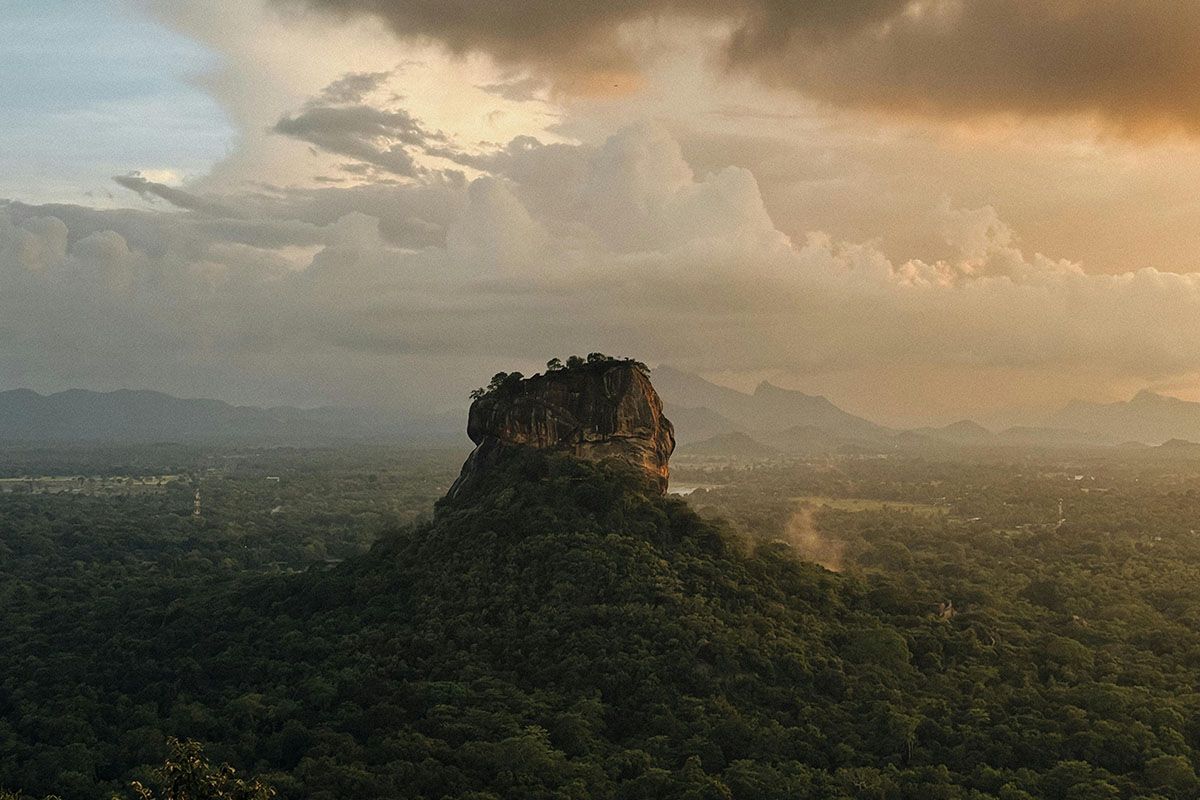
A granite inselberg jutting up from surrounding green plains, built in the late 5th century CE, Sigiriya Rock is striking at first glance, but this symbol of Sri Lanka is even more impressive when you scale the passageways hewn into the rock and reach its summit. For right at the top lies the stone skeleton of a once-great palace, pleasure ground and fortress. To reach it, you stroll through stately water gardens before starting the climb at an immense pair of stone-carved lion’s paws.
On a guided tour of the site, you can examine the fountains, pavilions and moats of the water gardens and learn how, due to an ingenious system of irrigation and urban planning, these water features still function today. Your guide will bring the history of this ancient monument to life, tracing its story from warring kings to Buddhist monks and explaining treasures such as the mirror wall and fantastical frescoes.
Where to stay
Uga Ulagalla offers a day’s tour of Sigiriya, including a picnic lunch and an early-morning departure so you can make the climb while the day is still cool. It’s even possible to visit for the day from Uga Bay, a resort that lies just under three hours away on Sri Lanka’s west coast.
Cycling the UNESCO World Heritage Site of Anuradhapura
You can’t possibly take in all of Sri Lanka’s original capital city in one day, but you can soak up both its spiritual heft and secular might on a cycling tour. Exploring by bicycle is the best way to tour this sprawling site that languished unnoticed in the jungle for years after its abandonment in the 1st Century. You’ll pedal on quiet, uncrowded paths alongside immense water tanks to make your way between the many monasteries, stupas, bathing pools and palaces built between the 4th century BC and the 9th century AD.
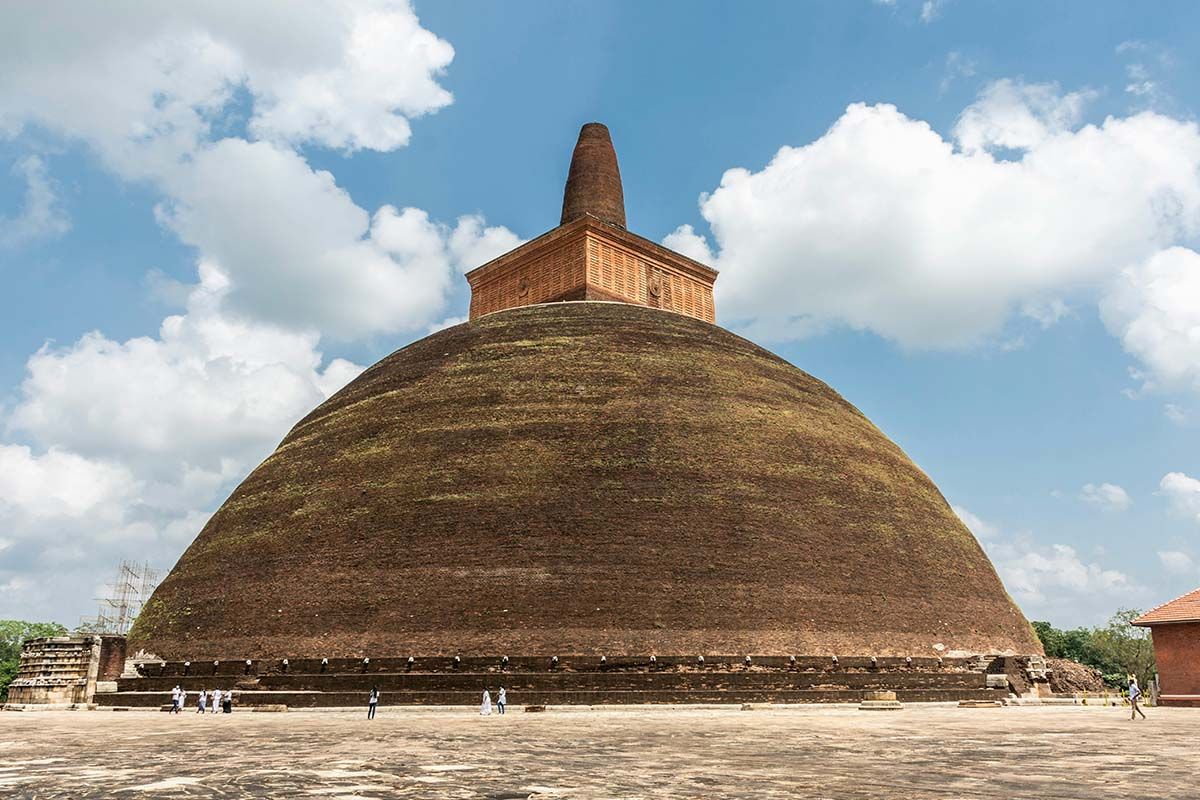
Guided cycling tours leave in the early morning or late afternoon, giving you the ideal window to explore the site when visitors are at their thinnest. However, rubbing alongside other visitors is all part of the experience here and offers an insight into authentic Sri Lankan culture. You’ll share the site with Buddhist monks in their orange robes and barefoot pilgrims dressed in white, making their devotions at sacred spots — none more hallowed than the offering-bedecked Sri Maha Bodhi Tree, a fig tree grown from a cutting taken from the very tree under which Buddha experienced enlightenment.
Where to stay
Uga Ulagalla is right in the heart of Sri Lanka’s renowned Cultural Triangle and is only a 30-minute drive from the main archaeological site of Anuradhapura.
Exploring Koneswaram Temple, Trincomalee
This temple complex is another of Sri Lanka’s most holy pilgrimage sites, but its setting is in complete contrast to the flat, jungle plains of Anuradhapura. A sacred Hindu site perched on Swami Rock and overlooking the Bay of Bengal, Koneswaram Temple is a medley of colour and crammed with statuary. None are more imposing than the golden figure of Lord Shiva himself, who stands right at the cliff’s edge against a backdrop of dazzling turquoise sea.
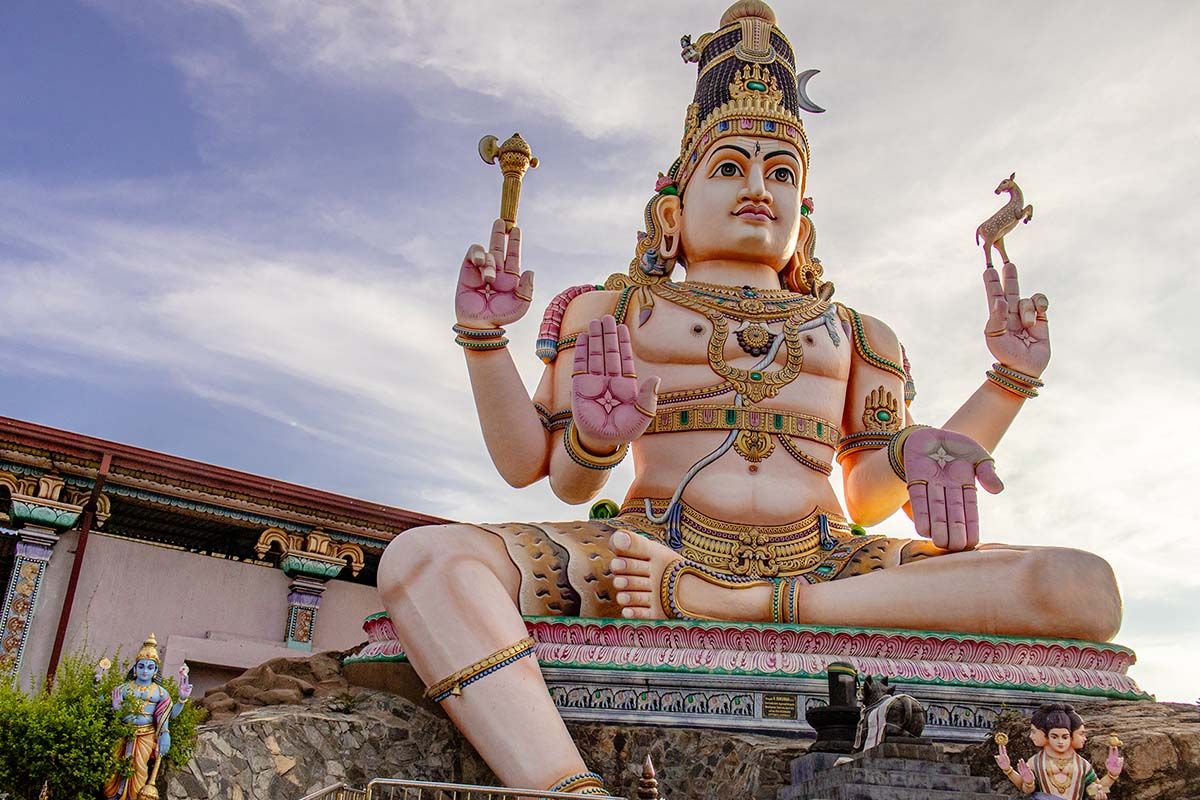
Your guide will relay the many myths and legends associated with the site, which is also known as the Temple of a Thousand Pillars, developed between 1580 BCE and 400 BCE, and will reveal the spiritual significance of its singular location. You’ll also learn about its dramatic history, including how divers miraculously rescued statues toppled into the sea by Portuguese soldiers in 1622. Now partially restored, the temple makes for an absorbing visit, as you wander between shrines laden with flowers, milk and fruit among the scent of incense wafting in the air.
Where to stay
Jungle Beach an Uga Experience sits in its own mangrove reserve on Sri Lanka’s wild east coast. It boasts a 4km-long private beach and is only a 30-minute drive from Koneswaram Temple.
Mindfulness and Meditation with a Buddhist Practitioner
Buddhism is the bedrock of Sri Lanka, with protection for the religion enshrined in the country’s constitution. Non-Buddhists who are curious about this element of Sri Lankan culture can take a guided meditation with a Buddhist practitioner, and one of the finest places to do this is on the long, sweeping golden beaches of Tangalle.
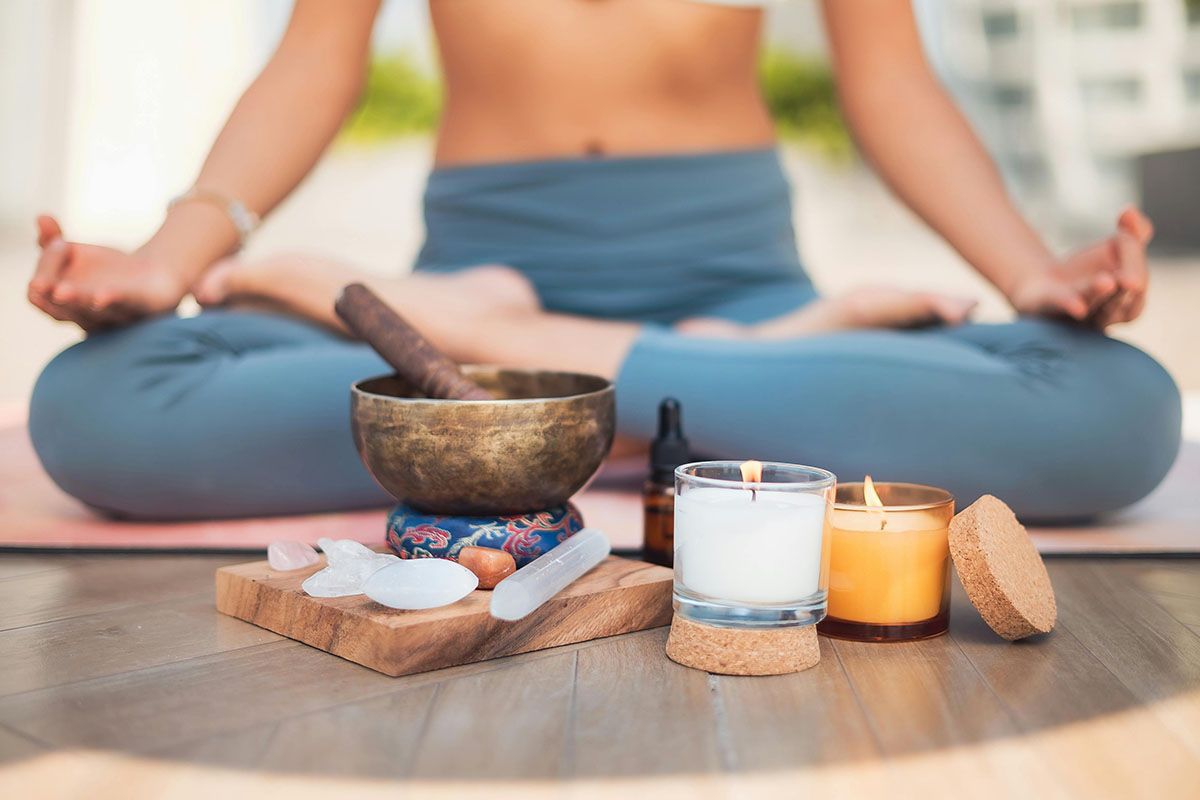
You’ll typically start your experience at sunrise or sunset, when the beach is at its quietest. Your practitioner will lead you into a deep state of relaxation, based around a focus on your breath and an acceptance of the sounds playing out in the world around you. During your meditation, you’ll be able to embrace the full soundscape of the beach, from the pounding waves to the calls of birds and the swishing of the palms that line this stretch of sand. You can, alternatively, take a yoga class on the beach, culminating with meditation or a simple mindfulness exercise.
Where to stay
Uga Prāva , nestled amid tropical gardens on Tangalle’s coastline, has several options for spiritual experiences like this one.
Tea Experiences in Sri Lanka’s Hill Country
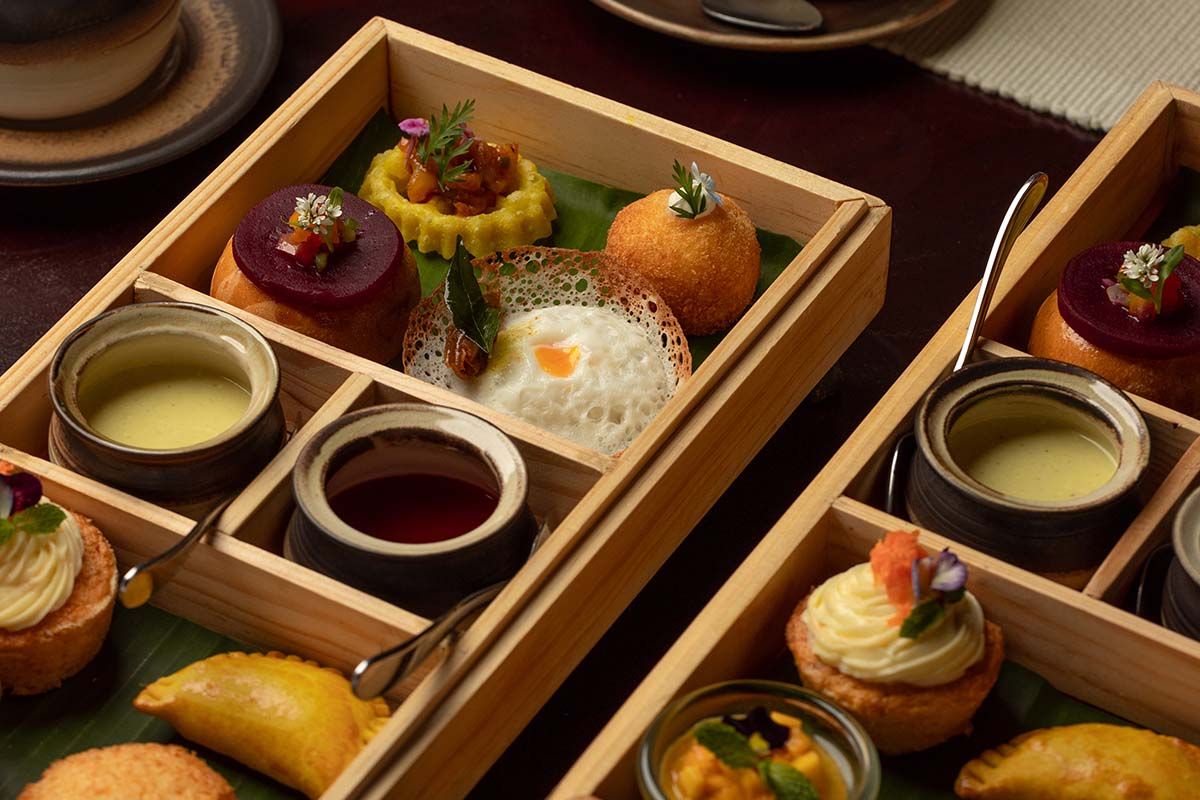
Gently undulating hillsides cloaked in tea bushes, misty dawns and an indulgent peace — Sri Lanka’s tea-growing region has its own charm, and a stay here makes for a pleasant refuge in the middle of a busy trip. But it’s also the base for luxury cultural tours that delve into the art and science of tea-picking, making and (of course) tasting.
You may choose to sample the region’s prized Ceylon tea with a one-of-a-kind Sri Lankan afternoon tea experience, soaking up the views from your hotel’s patio overlooking Castlereagh Reservoir, while you indulge in a perfectly brewed cup of tea, accompanied by traditional Sri Lankan snacks, including mini hoppers and crunchy kokis.
Alternatively, you can get an immersive and educational experience of the highlands by taking a guided tour of a tea estate. This will usually involve walking among plantations with your guide, meeting and chatting to tea pickers and observing how tea leaves are sorted and weighed at a mobile weighing station among the bushes. You’ll then be driven to a nearby tea factory to see how tea is dried and fermented. For a finale, you’ll taste different blends of freshly brewed Ceylon teas while being talked through the subtle differences in their taste.
Where to stay
A restored, former plantation bungalow, Uga Halloowella has stellar views over the hills and Castlereagh Reservoir, manicured gardens and tea-themed tours and experiences to choose from.
Eating like a Local in Sri Lanka
Food is a vital and robust expression of Sri Lankan culture and can be as diverse in texture, flavour and spice as the communities who call this country home. Sampling a wide range of the authentic Sri Lankan food will give you a sensorial insight into the culinary culture of the island. There are certain beloved dishes that cut across regional specialisms and have a starring role on menus across all Uga hotels. You could also look out for them at street food markets or on the menus of independent restaurants across the island.
 |
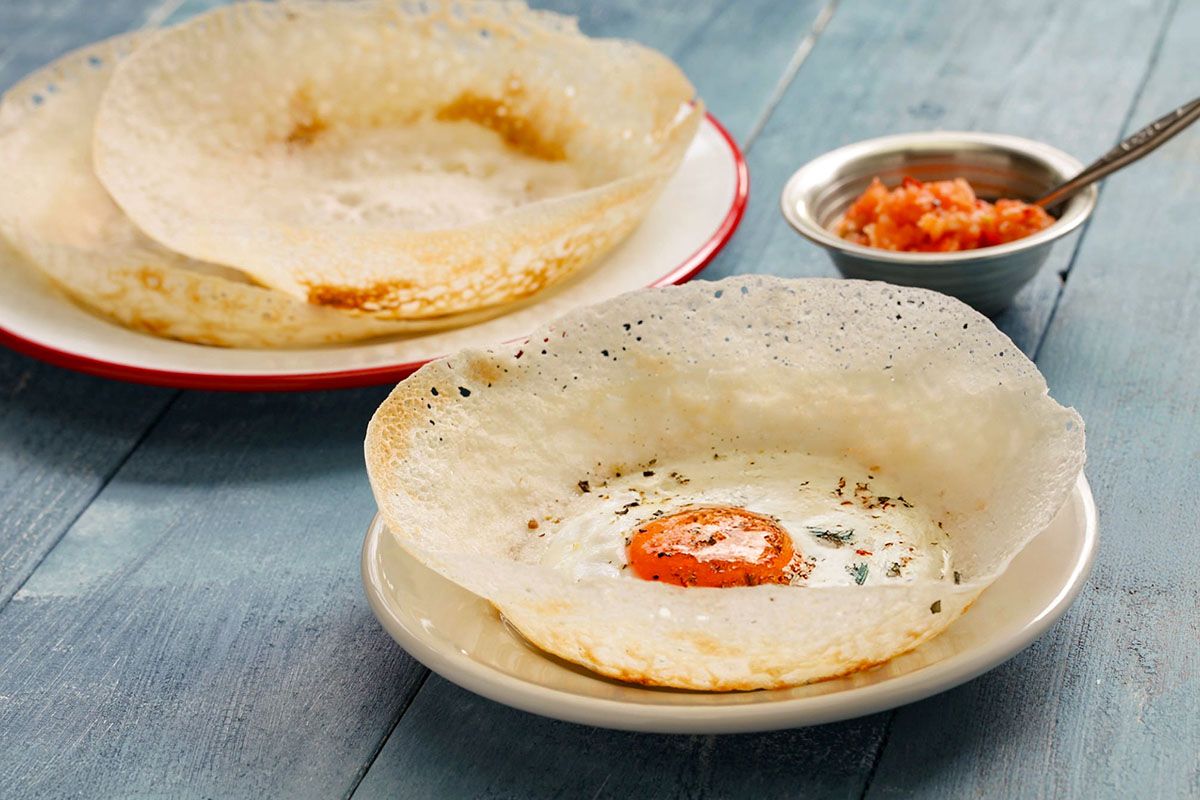 |
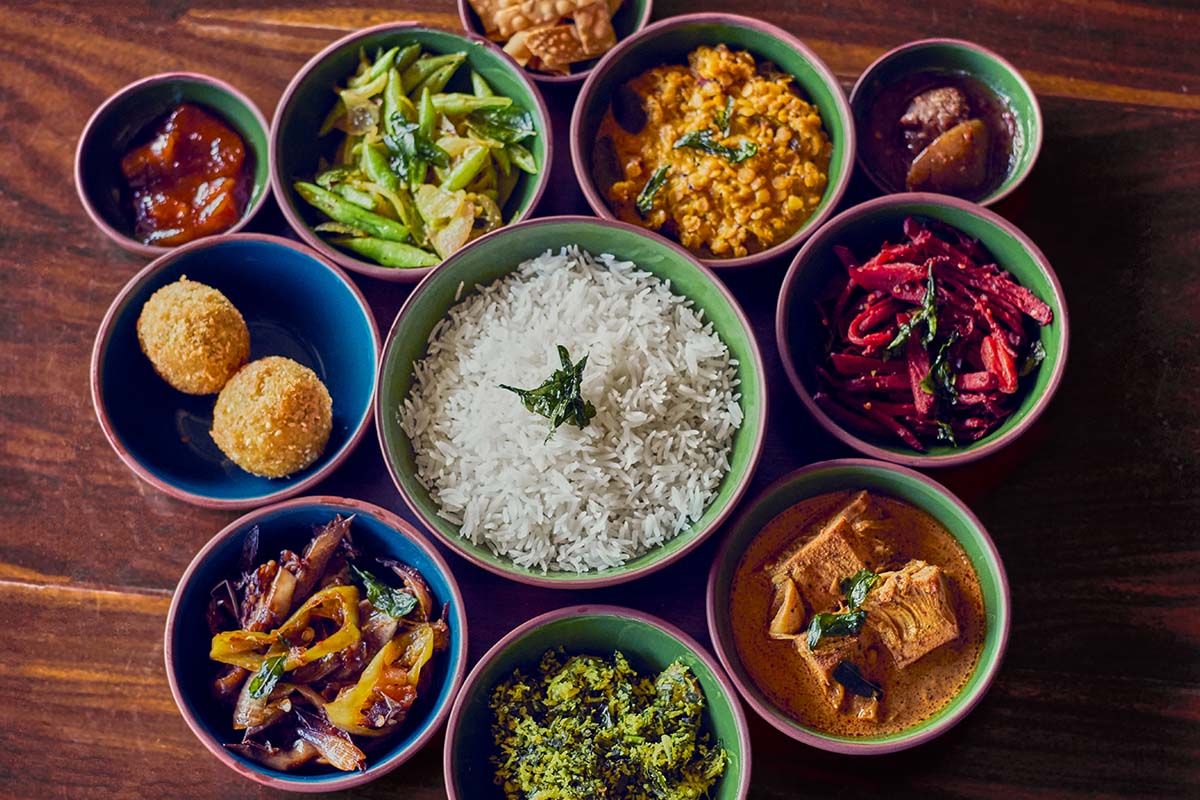
Rice and curry can begin or end the day in Sri Lanka. Rice is white or red, heaped up in the middle of the plate, and surrounded by curry (either meat or vegetable) enriched by coconut milk. Dahl, a smooth lentil-based curry that includes turmeric, mustard and garlic, is often served as a side dish. Then there are hoppers, little bowl-shaped pancakes made from rice batter, often served with a cooked egg in the centre, and string hoppers — a traditional Sri Lankan steamed dish made from rice flour pressed into thin, noodle-like threads. They are both served alongside punchy pol sambol, a spicy, coconutty condiment, and fragrant curries.
Pol rotis, a coconut-tinged flatbread, can be munched as a teatime snack or used to accompany curries and pol sambol. Sri Lanka’s highlands offer crunch, too, in the form of crisp rice and lentil pancakes called gundu dosa.
If you’re in Sri Lanka around the time of a festival, or want to try an alternative breakfast offering, you might have the chance to sample the celebratory dish, kiribath, which is made from rice cooked in coconut milk until it’s smooth and creamy and then cut into diamond shapes once cooled. Keeping with the sweet theme, Sri Lankan desserts range from coconut-based shortcakes, chocolate biscuit pudding, to Watalappam and use spices like cardamom and nutmeg. Finally, there’s buffalo curd, made from fermented buffalo milk and often served with a spiral of kithul treacle.
Where to stay
As well as dining, you could try your hand at making any of these local delicacies in one of the cooking masterclasses offered across the Uga properties. We would particularly recommend this Sri Lankan Cookery Class while staying at Uga Ulagalla, where you’ll learn the art of combining organic garden produce in Sri Lankan cuisine.


 youtube
 instagram
 share
share