

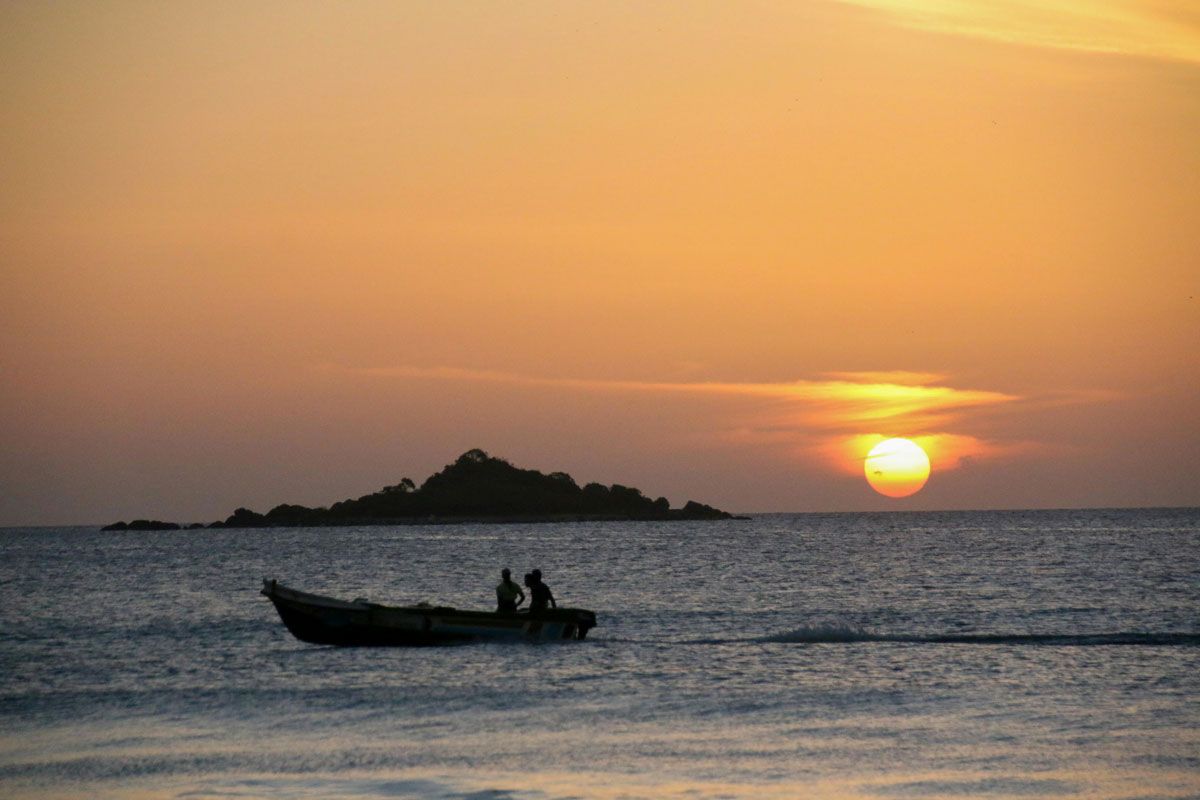
Often cited as the ideal first or last stop in Sri Lanka, Negombo is perfectly situated close to Bandaranaike International Airport, but it’s so much more than simply a layover spot. Rooted in its fishing village heritage and proud of its colonially influenced culture and architecture, it is a west coast haven of cafes, churches and canals, all fronted by an enticing stretch of golden sand and boasting some of the country’s most luxurious hotels and restaurants.
In this guide to Negombo, we’ll take you through some of the best things to do in this Sri Lankan beach town, unveil our pick of the most inspiring cultural sites and suggest when to visit and where to stay.
The History of Negombo: From Colonial Port to Coastal Retreat
Once a small fishing village in Sri Lanka and ruled over time by both the Sinhalese and Tamil kings, Negombo became known for its high-quality cinnamon, with Spice Route traders visiting from across the world to buy the spice in large quantities. In 1505 the Portuguese captured the town, determined to control the cinnamon trade. They constructed the imposing fort to deter invaders and introduced Catholicism to the island, building a multitude of churches in the town.
In 1644 the Dutch seized power from the Portuguese. Building an extensive canal network, they facilitated the transport of cinnamon and other spices out from the plantations to the harbour, expanding and enhancing the export process, as well as further developing the fort.
By the late 1700’s the cinnamon trade was in rapid decline and the British took over Negombo with little resistance from the Dutch. Fishing had, once again, become the primary economy of the region and, with its natural safe harbour and lagoon, Negombo formed the heart of the west coast fishing trade.
Today, it remains the second largest fishing port in Sri Lanka with a vibrant morning fish market and rows of colourful fishing boats lining the harbour, offering a great insight into this ancient industry. It has also become a popular tourist destination, known for its exemplary cuisine inspired by the fresh seafood, endlessly sweeping sandy beaches, enticing colonial-era architecture and luxurious hotels.
Cultural Sites in Negombo
St Mary’s Church
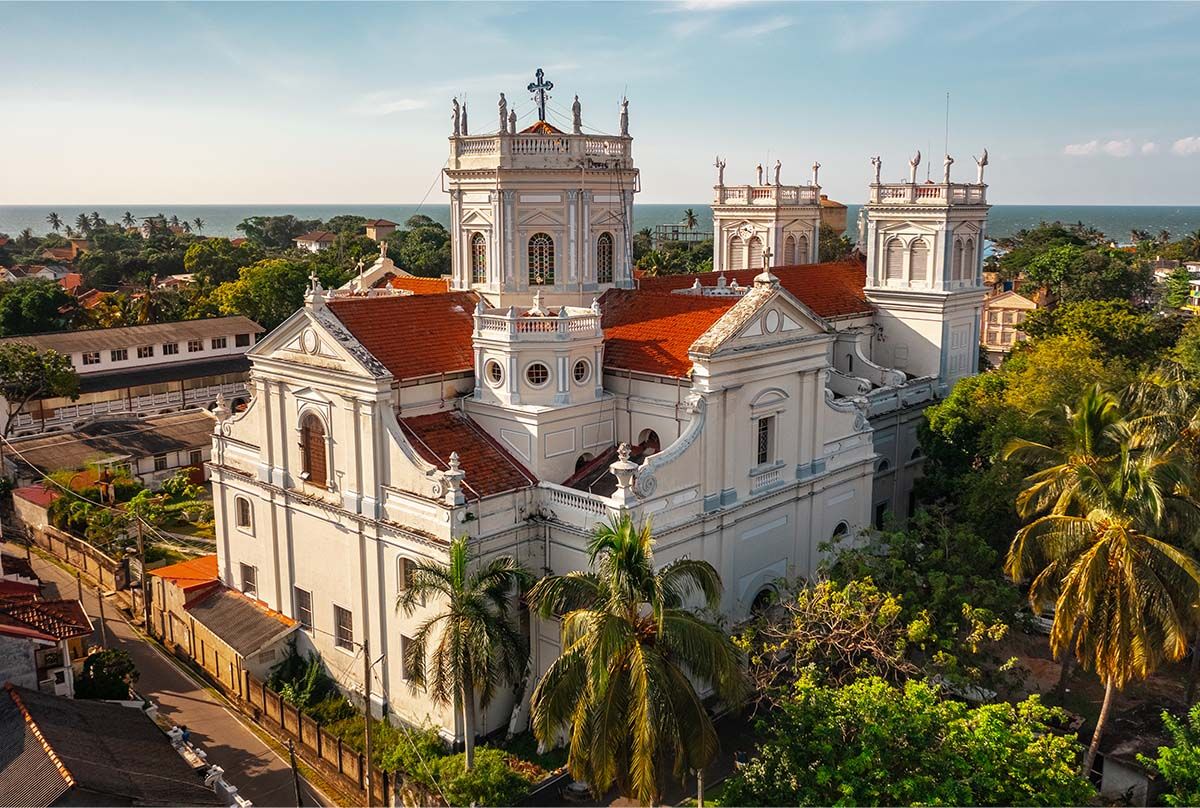
During the 16th and 17th centuries, the Portuguese made a powerful religious statement building several Roman Catholic churches in Negombo and rendering the town one of the strongest centres of Catholicism in Sri Lanka. Even today, the town is often referred to as “Little Rome” due to its profound religious legacy and number of churches.
St Mary’s Church is one of the largest Catholic churches in the whole of Sri Lanka. Built in the centre of Negombo in the late 19th century, it boasts an impressive neoclassical façade and a richly painted interior that complements the gilded statues and soaring stained glass windows. Highly acclaimed for its vast ceiling paintings that depict stories from the life of Jesus and prized for the role played by local artists in the design of the church, it sings as a testament to the vibrant Catholic population in Negombo.
You can include a visit to St Mary’s Church on a tuk tuk tour of Negombo, which offers you a private tour around the town’s major landmarks, with insightful stories and illuminating insights from your driver guide.
Angurukaramulla Temple
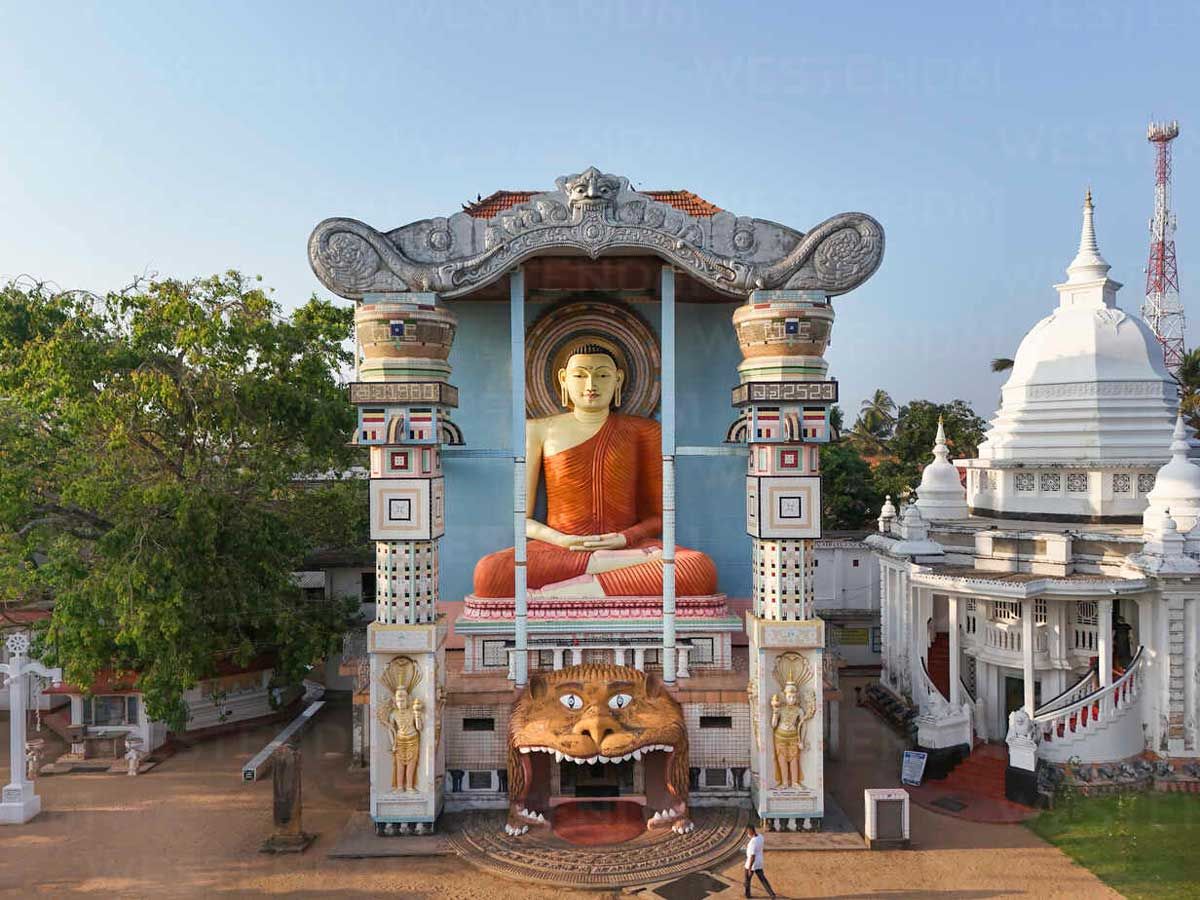
In a cultural contrast to the colonial, Catholic heritage of the town, Angurukaramulla Temple is Negombo’s largest Buddhist temple and is over 300 years old. With its striking dragon’s mouth entranceway, believed to ward off evil spirits, and its vast Buddha statues, it’s a vivid testament to the inspirational architecture of the Buddhist faith.
Outside the main temple, you’ll find a 6-metre (20-foot) seated Buddha sculpture while inside, the temple walls depict stories from the lives of the Buddha alongside important events in Sri Lankan Buddhist history and life-size statues of the Sinhala kings. A reclining 9-metre (30-foot) Buddha sits inside the temple, while outside you’ll find the moss-covered remains of the temple’s historic library and a central pond that’s home to a collection of tiny turtles.
Dutch Fort
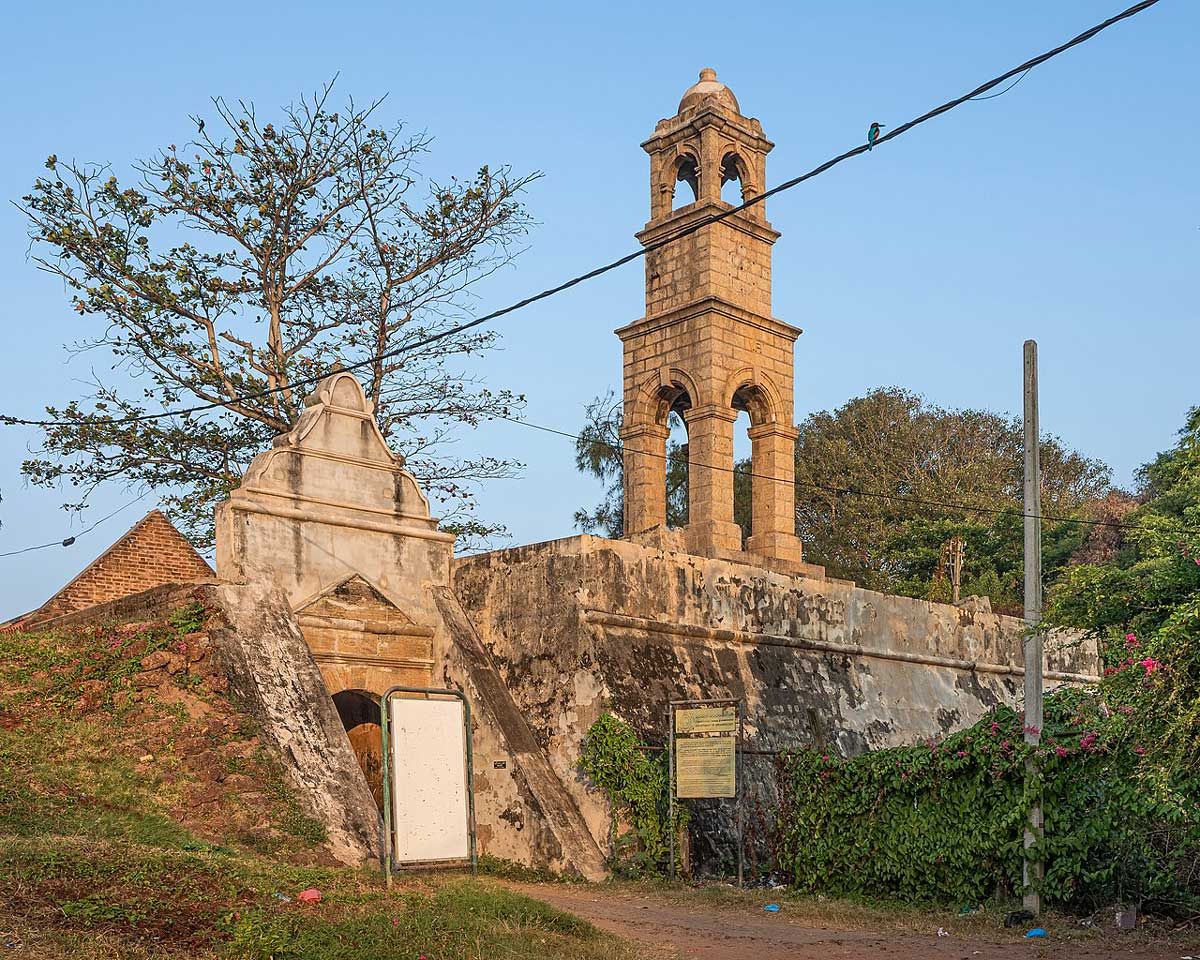
Jungle creepers are slowly encroaching on the ruins of Negombo Fort, which was once a 17th-century pinnacle of coastal defences, but it all adds to the atmospheric impression and it’s well worth exploring on a visit to the town. Sitting on a narrow strip of land between the Negombo Lagoon and the coast, it was initially built in a square shape by the Portuguese to protect Colombo, before being captured and rebuilt by the Dutch, who transformed it into a pentagonal design with four vast buttresses.
You’ll enter the site through an arched, creeper-strewn gateway inscribed with the date 1678 and will find the eastern ramparts hold the most intact segments of the original walls. Centrally on the site, atop a small hill, stands the Victorian-era clock tower, which was built by the British to mark Queen Victoria’s jubilee. During the British colonial rule, the fortress was largely demolished and transformed into a prison, using the original stones, as a result the inner area of the fort remains inaccessible for visitors. We recommend visiting at sunset for stunning views of the ruins silhouetted against the ochre-hued skies.
Dutch Canal
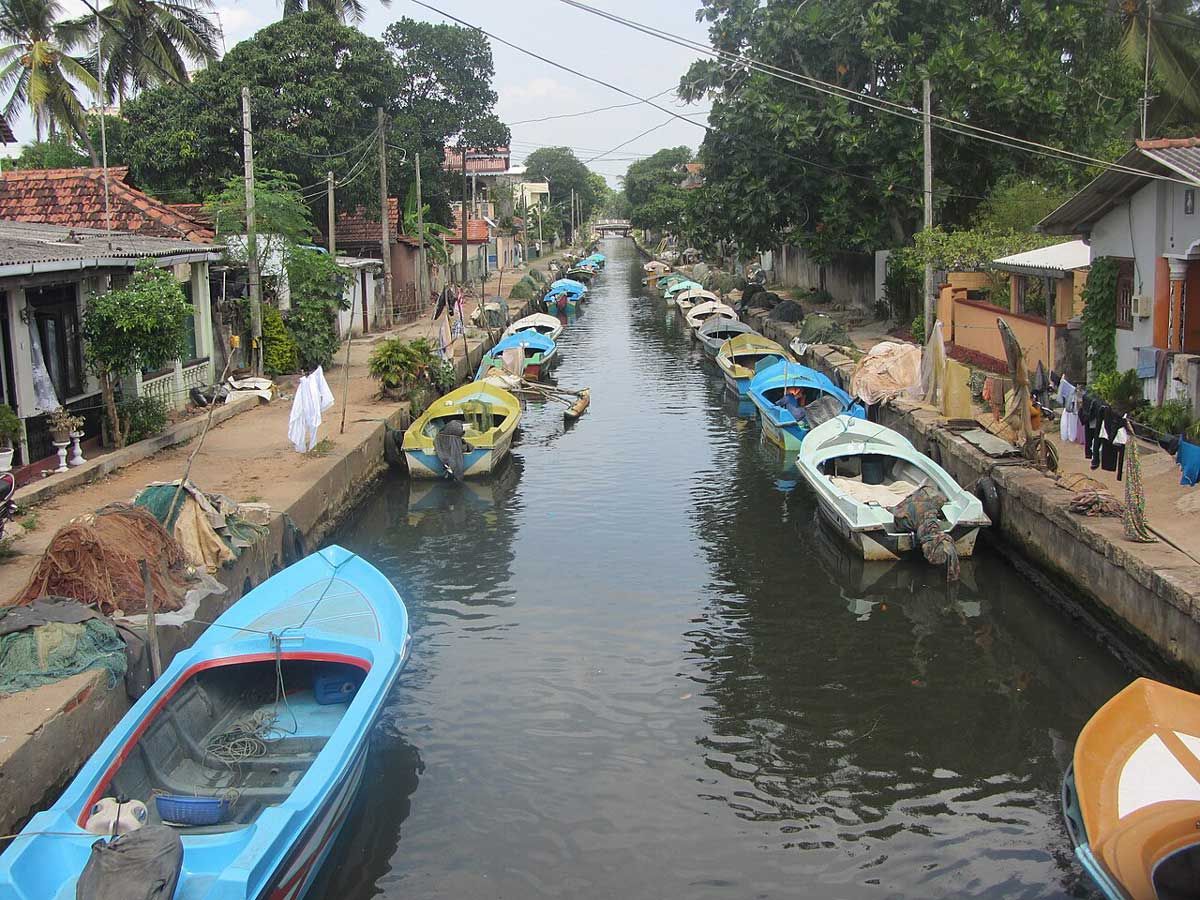
Also known as the Hamilton Canal, the Dutch Canal in Negombo is a fascinating piece of colonial design, originally built by the Dutch, who were working to improve the original 15th-century canal network, and then completed by the British in 1804. As far back as the 8th-century, linked lagoons were used by local people to transport goods along the coast but in the late 15th-century Sinhalese King Veera Parakramabahu VIII constructed a more substantial network of canals, allowing high-value trading goods such as cinnamon, cloves, cardamom and pepper to reach the Silk Route trading points along the west coast.
When the Portuguese colonised the island in the 16th and 17th centuries, they attempted to cut a waterway that would redirect river floods and protect key rice growing areas, this work was continued by the Dutch throughout the 17th and 18th centuries, who were keen to create a functioning line of waterways for transportation and to drain salt water from the rice fields.
The arrival of the British in the 19th century saw the land being carved up again with the creation of the 14.5km Hamilton Canal that ran alongside the older Dutch canal system and was intended to finally drain the marshes and facilitate barge transportation of goods, it may not have desalinated the land but it proved a valuable transport asset and is now a vibrant waterway lined with traditional houses, colonial-era bridges, palms and mangroves. It’s a wonderful spot for a leisurely boat trip offering glimpses into daily waterside life.
Things to do in Negombo
Lagoon Boat Safari
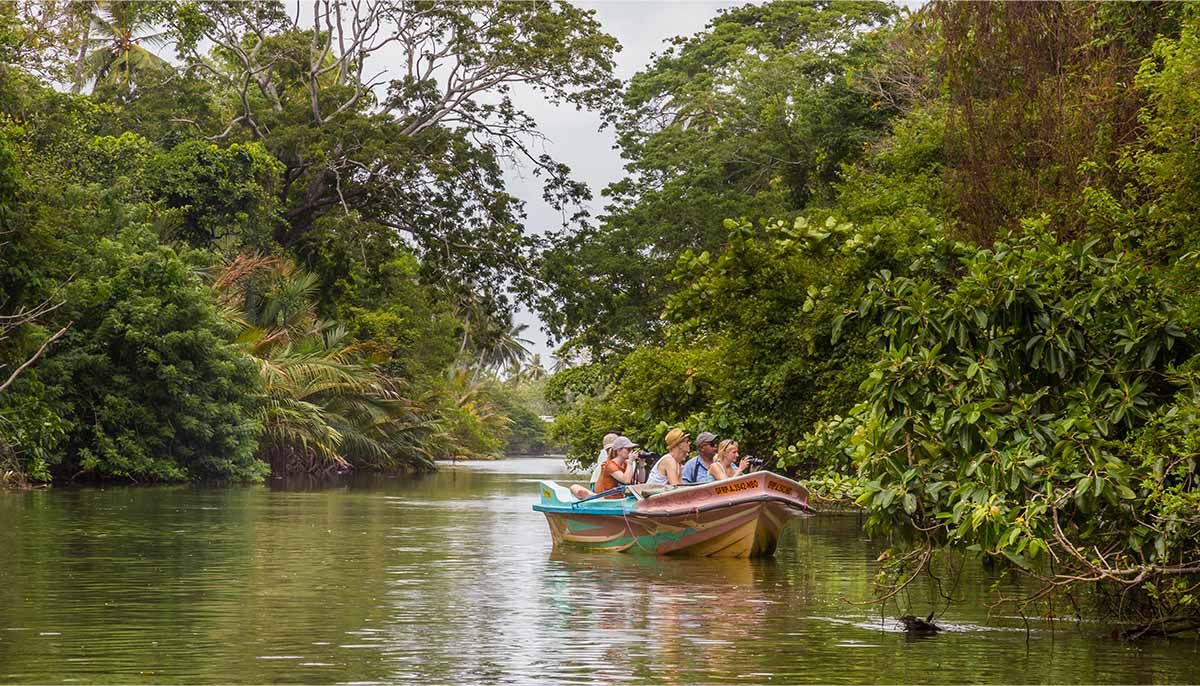
Weaving between overhanging mangrove trees, drifting along tranquil stretches of the Dutch Canal and watching fishermen chasing pomfret and lagoon crab off nimble catamarans, a boat safari on the Negombo Lagoon offers an immersive and fascinating way to explore this prized coastal feature.
One of the largest coastal lagoons in Sri Lanka, during the week Negombo Lagoon is a hive of activity, forming the base for the town’s vast fishing fleet. You’ll see huge trawlers heading in and out from the Indian Ocean and small traditional canoes drifting the waters of the lagoon, their fishermen hauling pots and nets to catch crabs and prawns. When the large fishing boats rest at the weekend, the lagoon returns to a quieter state, offering a more serene experience for drifting across the lake and along its mosaic of small waterways. You’ll still pass traditional fishermen quietly fishing the banks and shallows but most of your trip will be spent revelling in the wildlife. The lagoon is a sanctuary for wetland birds, with egrets, herons and cormorants all competing for the multitude of fish.
Relax at Negombo Beach
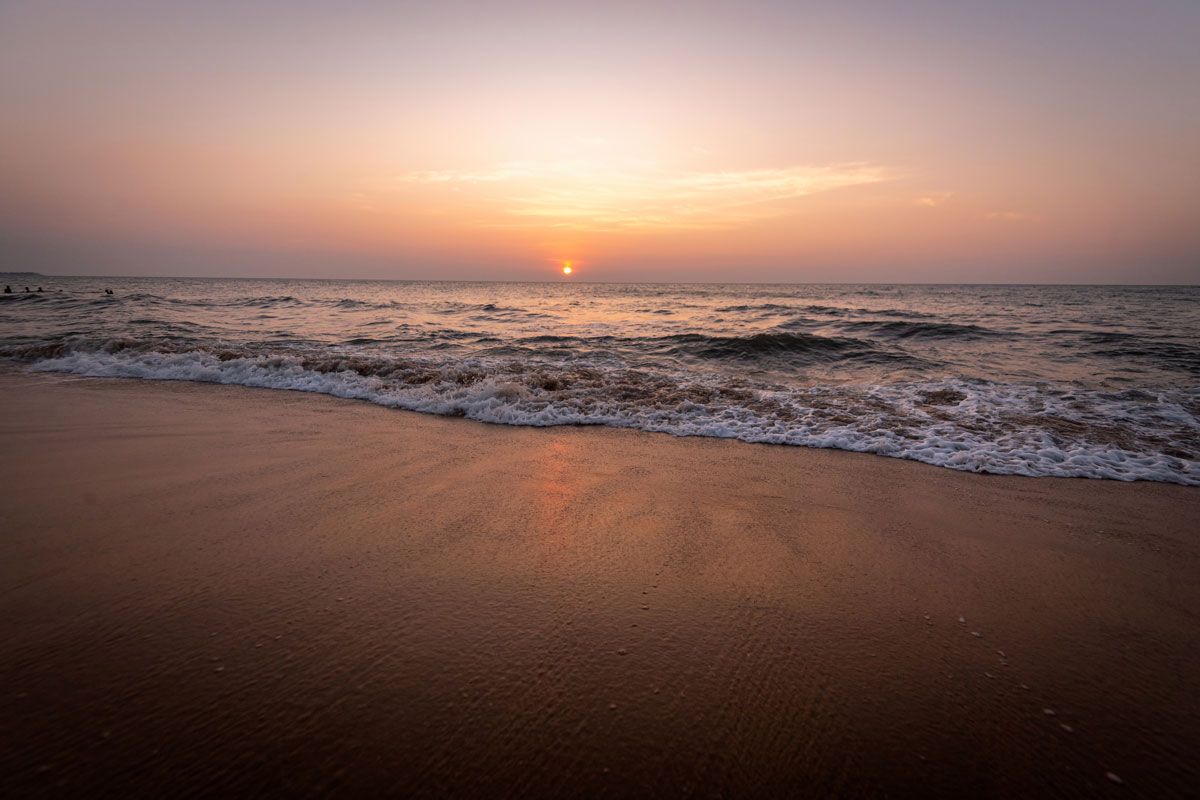
Famed for its long stretch of golden sand and showstopping sunsets, Negombo Beach is a popular public beach, perfect for soaking up the local culture. It’s a great spot for long, barefoot walks, following scuttling crabs and passing fishermen at work on their traditional outrigger canoes known as oruvas.
With its consistent breezes and oceanic swells, it’s a key spot for kite surfing, offering some fabulous photo opportunities as the bright kites race across the sky. The sea here can be rougher than other spots along the coast so it’s not always safe to swim but if you’re in need of a cool-off, the coastline is dotted with fabulous seafood restaurants offering shady spots to relax, delve into the exquisite cuisine and take in the atmosphere.
Visit the Lellama Fish Market
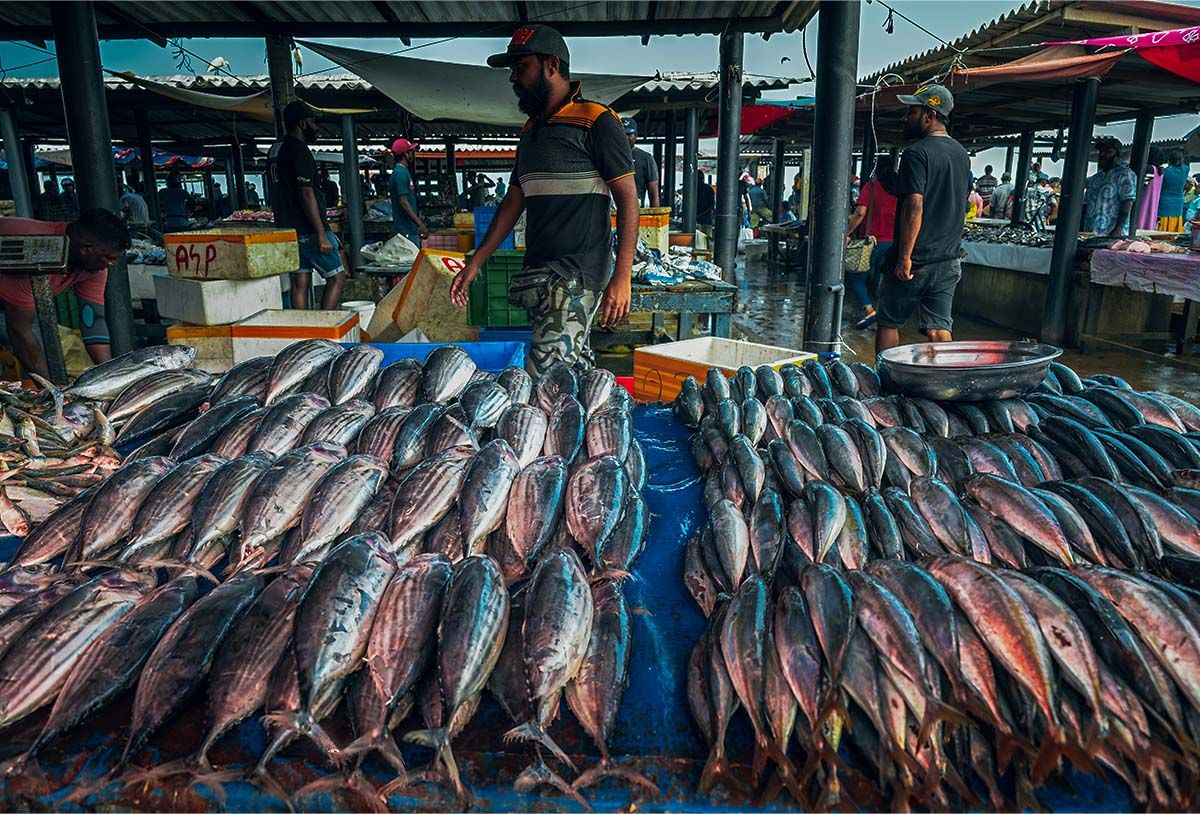
Sitting near Munnakare Bridge at the northern access point to Negombo Lagoon, the Lellama Fish Market is the second largest in the country with approximately 4,000 fishing boats using the market as their trading port. A visit here will leave you with both the freshest catch of the day and a profound insight into the living history of Negombo’s fishing industry. You’ll find rows of stalls filled from the enormous trawlers, colourful traditional boats pulled up on the sands, fishermen dressed in (saram) sarongs and wide-brimmed straw hats loading wicker baskets straight from their nets and a huge variety of silver-hued fish laid out on hessian mats across the sands to sun-dry.
Visiting the market is a vibrant, visceral experience, weaving between locals, tourists and fishermen keen to sell their catch. You’ll find rickety wooden stalls overspilling with everything from yellowfin tuna to prawns, sardines to barracuda. The stalls are usually manned by the fishermen themselves, who will have been out fishing all night, arriving back to the shore at around 5am, when the lively auctions begin and stalls are set out to sell what remains. It gives a good opportunity to chat directly to the fishermen about their seafaring experiences and gain an insight into age-old fishing techniques.
Explore Muthurajawela Wetlands
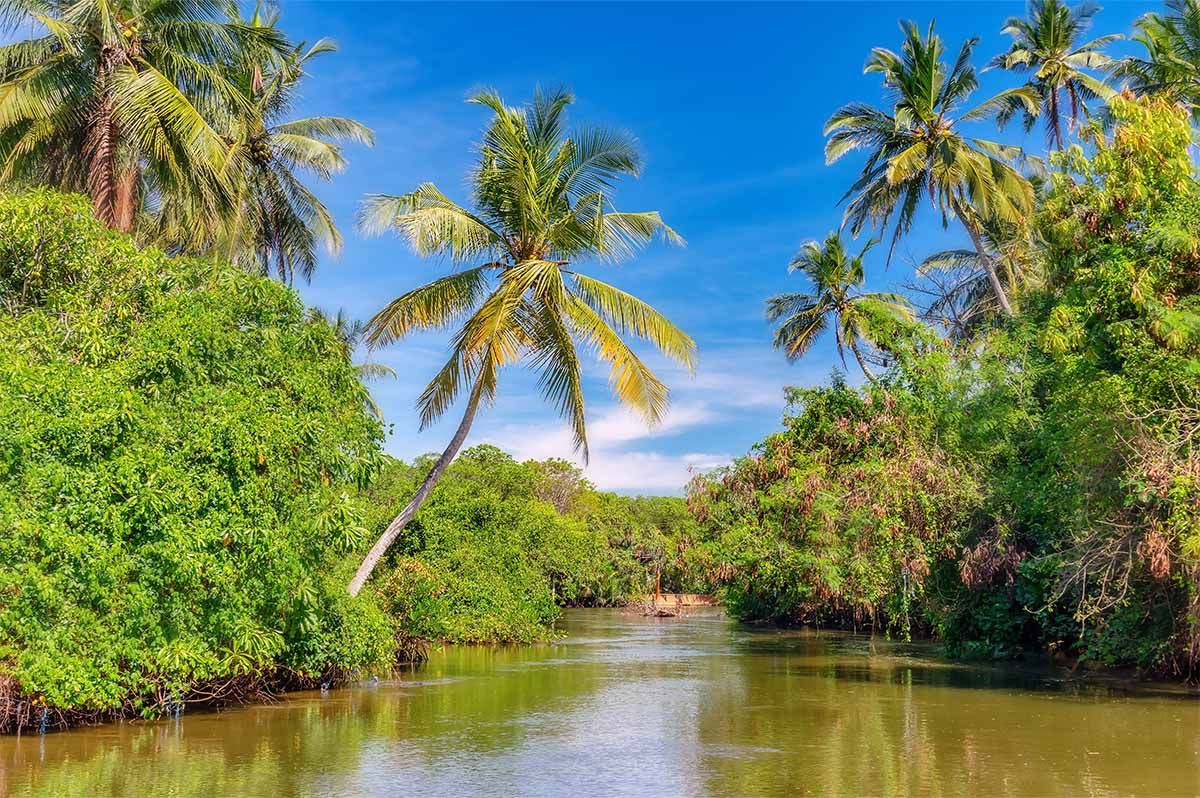
At the southern end of the Negombo Lagoon, Muthurajawela Wetlands is a protected saline, coastal wetland system covering over 3,000 hectares between Negombo Lagoon and the Kelani River. Its name means ‘swamp of royal treasure’ and it has been recognised as a ‘protected wetland of the world’, offering a revered biodiverse hotspot close to the island’s capital. Drifting around the wetlands on a guided trip will enable you to quietly observe the plethora of water life, while gaining an introduction to the delicate balance of the environmental conservation work carried out here. Over 209 species of fauna, 102 species of bird and 40 species of fish call this wetland reserve home alongside fishing cats, toque monkeys and the endangered slender loris.
Early morning and late afternoon boat trips will take you meandering along pristine waterways deep into the wetlands, where the still waters reflect the twisted vines of the mangrove trees. Crocodiles lie motionlessly blinking semi-submerged on the riverbanks while brightly plumed kingfishers flit between branches, water monitor lizards bask on fallen logs, purple herons poise like statues and chattering toque macaques forage in treetops.
Dine on Fresh Seafood
Negombo is widely regarded as the seafood capital of Sri Lanka with its signature lagoon crab curry a prized, national culinary highlight. For the travelling gourmand, there are a plethora of options to choose from here including high-end beachfront dining to more rustic, family-run cafes. Fresh seafood, caught that morning in the Indian Ocean, is the focus of most meals with lagoon crabs, jumbo prawns and red snapper all being regional delicacies.
We’d recommend exploring the maritime flavours of Negombo with a culinary journey at Uga Riva’s restaurant, which weaves together the produce from the lagoon, ocean and coastal plains in a celebration of legendary curries, fragrant rice and authentic recipes. A meal here might see you trying the local speciality of ambul thiyal, a dried-fish curry where the fish is cooked with a unique coating of aromatic spices in a traditional clay pot. Or perhaps, you’ll dive into the traditional lagoon crab curry or a prawn thel dala accompanied by string hoppers.
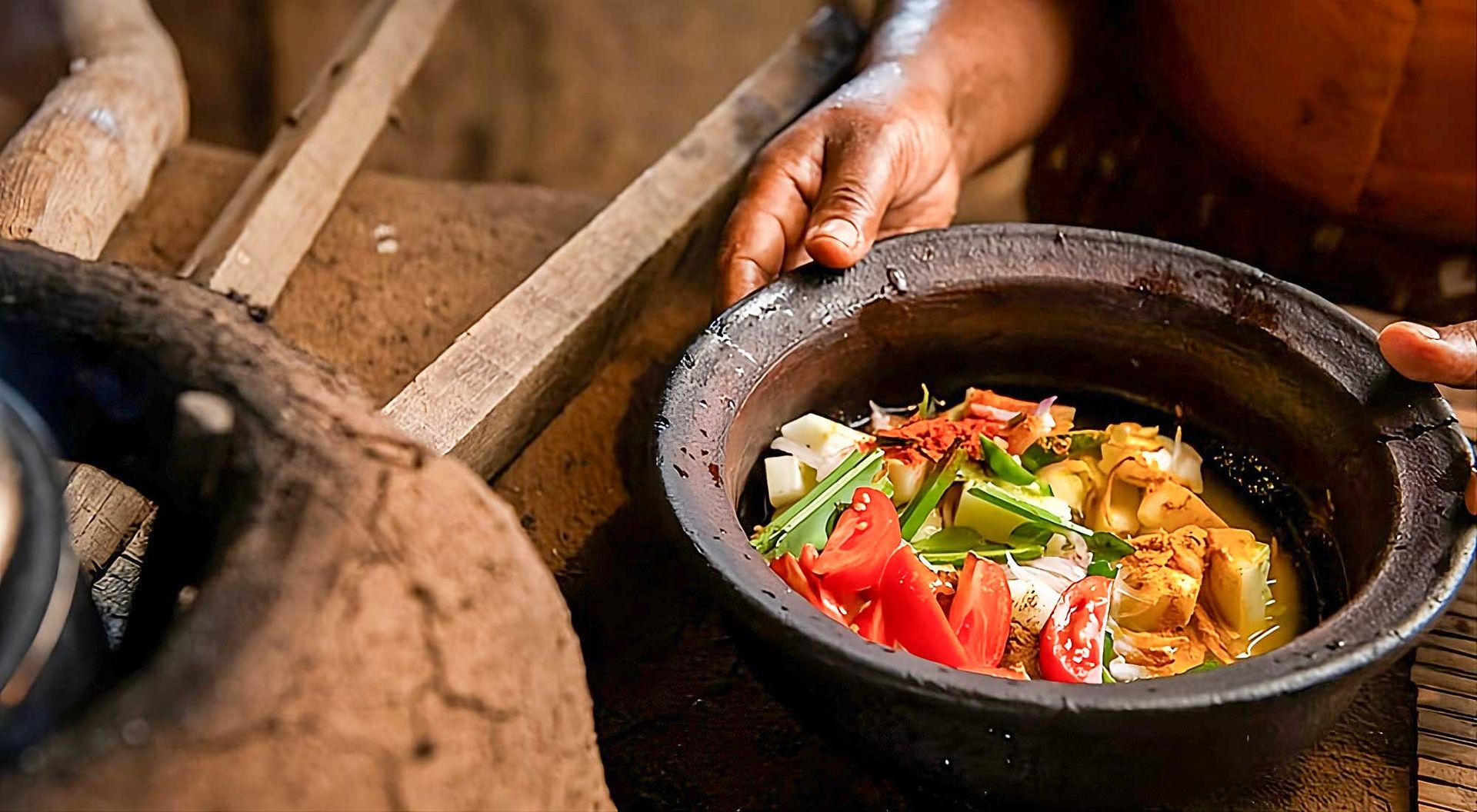
If you want to gain a deeper understanding into the culinary techniques of the region, you can also choose to take a Sri Lankan Cooking Masterclass here, where you’ll work alongside a leading chef to create the lagoon crab curry, connecting you to Negombo’s fishing heritage and learning how to transform simple ingredients into an authentic Sri Lankan speciality.
Enjoy Negombo’s Vibrant Nightlife
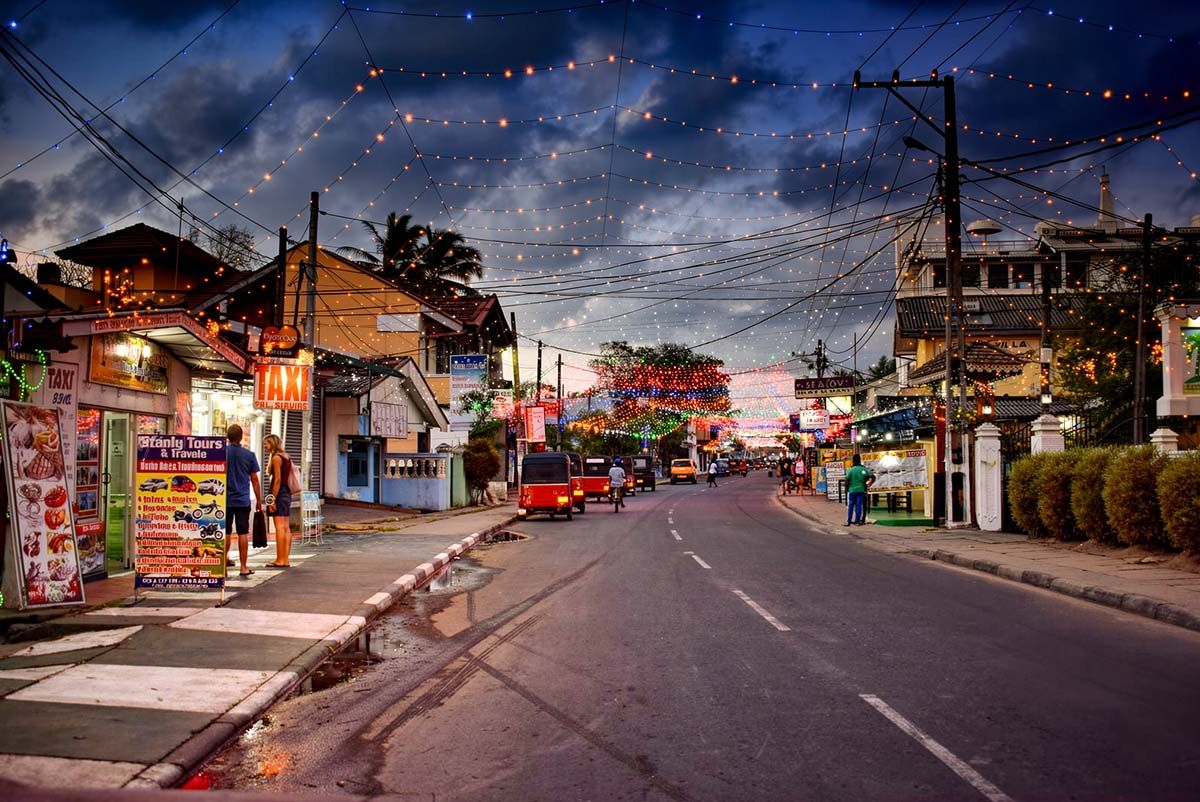
Sunset cocktails, elegant lantern-lit restaurants, live music and a relaxed beach bar atmosphere give Negombo an enticing and sociable nightlife. The Negombo Strip that runs parallel to Ettukala Beach is the main hub of activity, with boutique resorts, restaurants and cocktail bars lining Lewis Place and Porutota Road.
By night, this becomes a walkable nightlife corridor, making it easy to stroll between lively bars and restaurants, where you can watch the sun melt into the Indian Ocean, cocktail in hand, before heading to one of the many specialist seafood restaurants, perhaps enjoying your meal with your toes in the sand.
After 10pm, many of the hotels and bars along the strip offer live music or DJ sets, creating a relaxed and sociable atmosphere. You’ll often find seafood BBQs running late, keeping you fuelled with unbeatably fresh, grilled specialities as the night unfolds. Most evenings wind down by around midnight here, earlier than the larger resort towns on the south coast, allowing plenty of time for some well-earned sleep.
What to Wear in Negombo
Lightweight and breathable fabrics are always best in the tropical climate of Negombo and we’d recommend keeping swimwear to the beach or resort areas only, in respect of the local culture. If you’re planning on visiting the temples and churches in Negombo, you’ll need to cover your shoulders and knees and, on visiting Angurukaramulla Temple, you’ll need to take off your shoes to enter the sacred areas.
Rubber flip flops are a secret travel tip for a visit to the wet fish market in Negombo, enabling you to rinse them clean in the sea after your tour.
Best Time to Visit Negombo
December to April – Peak Season
For dry, sunny beach weather, December to April is the best time to visit Negombo. You’ll find clear skies offering the best opportunities for lagoon cruises and beachside dining. This is also the best period if you’re interested in the migratory birds visiting Muthurajawela Wetlands, with key sightings between December and April when the water levels are stable.
May to September – Southwest Monsoon
This is a period of intermittent heavy downpours but, if you’re not interested in wall-to-wall sunshine, it’s a great time to visit with fewer crowds, an authentic local experience and a lush green landscape. Beware that the seas can be rough during this time, so it is not advisable to swim.
October to November – Inter-Monsoon
Avoiding the peak season crowds, taking advantage of the verdant growth that has been encouraged by the monsoon and seeing wonderfully warm weather broken only by an occasional tropical storm, this is a wonderful time to visit Negombo when the wildlife is active and the waterways more accessible.
Getting Around Negombo
Your hotel will be able to organise private chauffeur-driven cars or transfers for both trips to and from the airport or to visit tourist sites further across Sri Lanka. To get around the town itself we would highly recommend exploring Negombo by tuk tuk. It’s an easy way to gain an initial feel for the town and, with the help of your driver guide, you’ll be given an immersive introduction to the city’s heritage and landmarks.
Where to Stay: Sophisticated Comfort in the Heart of Negombo
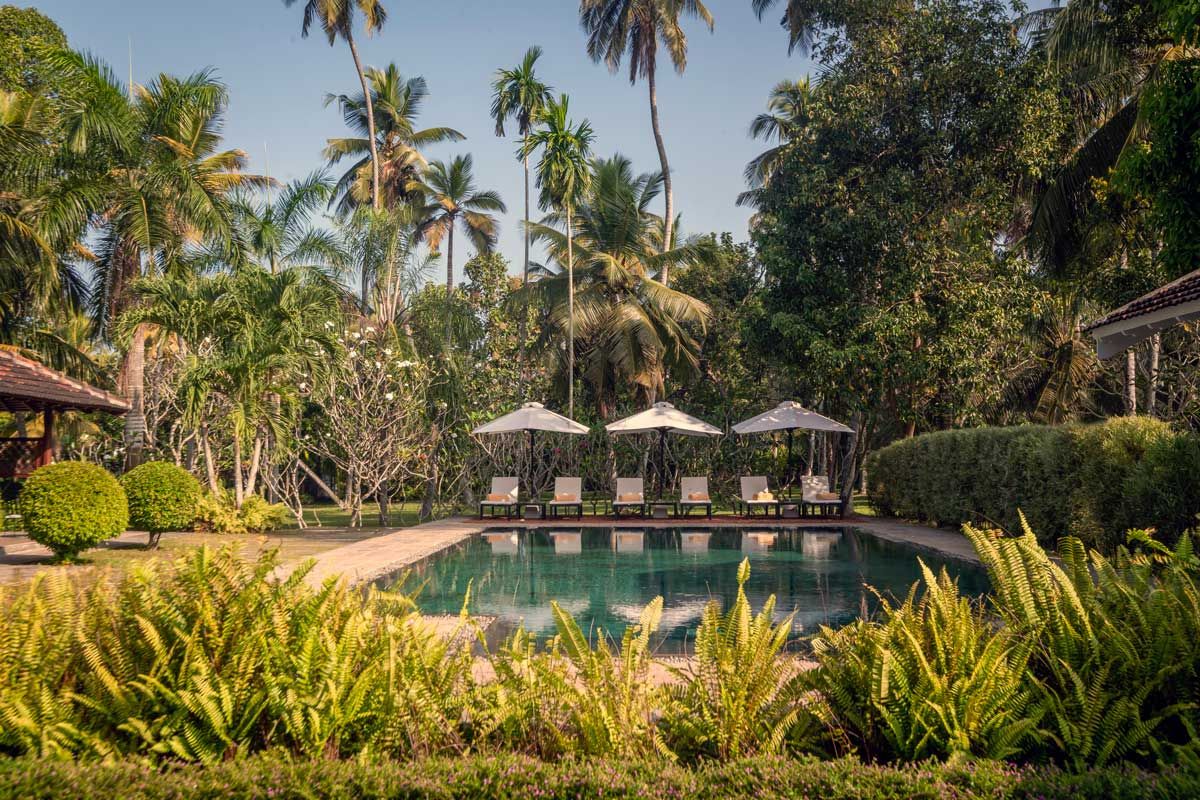
Uga Riva Negombo is one of the most luxurious boutique hotels in the town, benefitting from its location in a verdant suburb of the town, far removed from the hustle and bustle. Housed in a restored colonial manor that has played host to the likes of Mahatma Gandhi in its storied past, this small, sophisticated hotel offers easy access to the cultural sites of Negombo as well as curated dining experiences and an intimate, peaceful atmosphere.


 youtube
 instagram
 share
share