

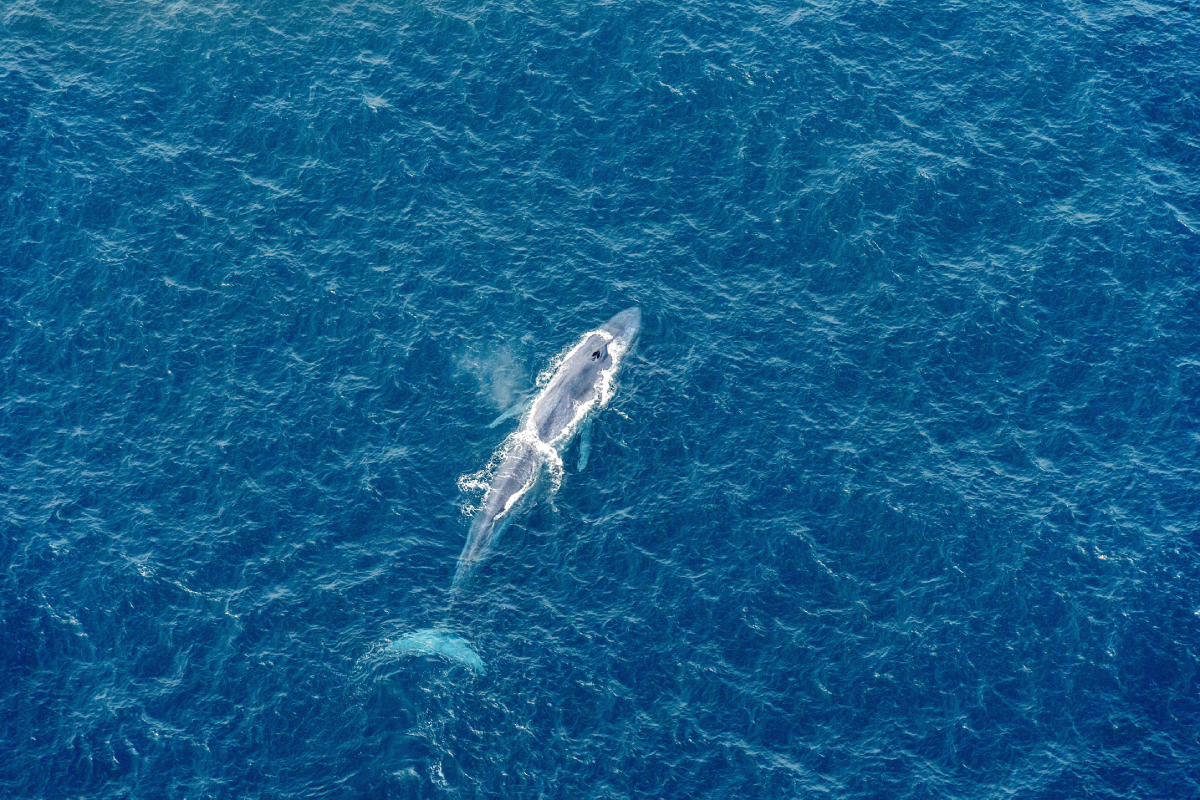
Sri Lanka’s coastline encircles this island with unparalleled beauty, but it’s not just the looping arcs of palm-strewn bays that draw visitors here. The waters off the coast of Sri Lanka are some of the best places in the world to spot marine wildlife. Close to shore, you’ll find vibrant fish darting among pristine reefs and turtles feeding among sea grasses. Head further out, and the unique, deep-water feeding grounds attract some of the ocean’s most majestic giants.
Sperm whales and blue whales migrate along the Sri Lankan coastline, providing some of the best opportunities in the world to observe these giants of the ocean. Whales aren’t the only ones taking advantage of the nutrient-rich waters, pods of dolphins gather in large numbers here, often playfully accompanying the whale-watching boats for long periods of time.
This guide to whale watching in Sri Lanka will help you to plan your trip, whether you’re heading out for the first time or hoping to spend greater time with certain species, we’ll reveal the best places to go and when to visit, to ensure that you have the chance to observe these extraordinary creatures in the most memorable and responsible way.
Whale & Dolphin Spotting in Sri Lanka: What to See, Where & When
Sri Lanka’s waters are among the most biodiverse in the Indian Ocean, offering one of the world’s greatest concentrations of marine megafauna. Take a boat trip here and you’ll find yourself in a front-row seat for some extraordinary ocean spectacles. In the right season, you could spend time with the planet’s largest animal, the blue whale, watch pods of acrobatic spinner dolphins and witness the deep-diving sperm whale. It’s not just whales and dolphins; manta rays, sea turtles and even the elusive whale shark have all been frequent sightings.
In this blog, we will highlight the key species that you’re likely to encounter, sharing information about each one before explaining the very best places and seasons to see them in Sri Lanka.
Blue Whales
About the Species
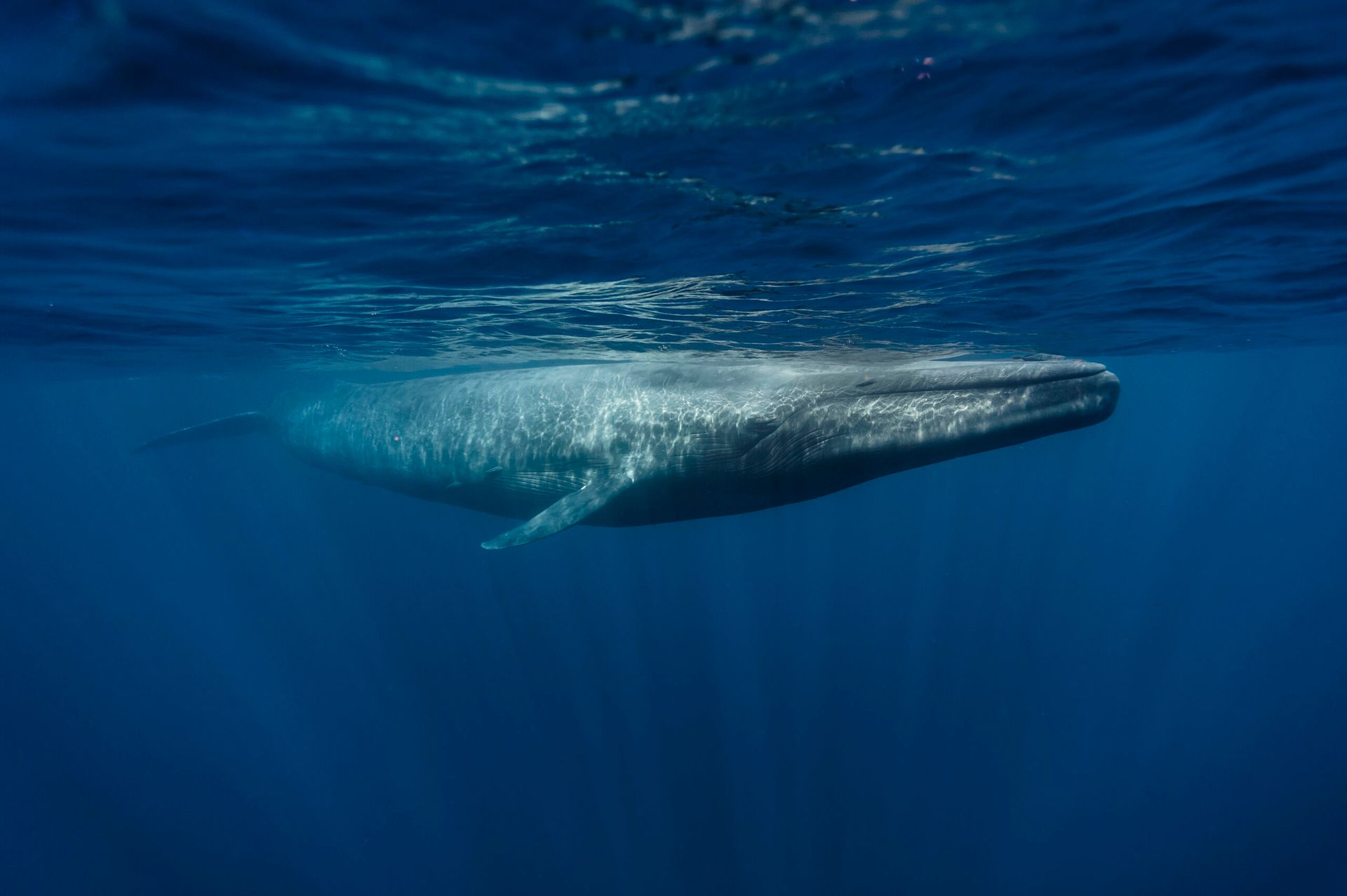
Blue whales are quite simply awe-inspiring. The largest animal ever to have lived on Earth, they can reach up to 33 metres (100 ft) in length, roughly the length of three double-decker buses end-to-end, and weigh as much as 180 tonnes. Their immense hearts alone are the size of small cars, and yet these giants glide through the ocean with surprising grace. Mottled blue-grey in colour with lighter underbellies, blue whales spend their days feeding on krill, consuming several tonnes in a single day.
When they surface, they are easily identified by their tall, column-shaped blow, which can rise up to 9 metres into the air. Despite their size, it is rare to get the chance to see a blue whale, not only are they an endangered species but they spend most of their life far from land in deep water, which is what makes Sri Lanka’s whale watching so prized. Experiencing a blue whale breach or roll on the surface is an exceptional and unforgettable privilege.
Where & When to See Them in Sri Lanka: Mirissa (November–April)
The southern tip of Sri Lanka, just off the coast from Mirissa, sees warm currents and deep waters that are extremely nutrient-rich, making them hosts to vast populations of krill. This abundance has always drawn blue whales close to shore, in particular between November and April, as they stop to feed while following their established migration routes. As a result, Mirissa is reputed to be one of the best places on Earth to reliably and consistently see blue whales.
Highlights in Mirissa:
- Large seasonal groups of blue whales feeding close to shore
- Dramatic behaviour on the surface: high vertical spouts, long glides between dives
- Possibility of spotting mother-calf pairs on migration
- Occasional sightings of Bryde’s whales, dolphins, and even whale sharks
Where to Stay:
Guests at Uga Prāva have easy access to responsibly managed whale-watching experiences with a choice between early-morning or late-afternoon departures, including transfers to and from Mirissa. You’ll head out on boats that have been designed to maximise viewing opportunities and be guided by experienced marine biologists, who will not only share their knowledge but also ensure a respectful encounter with these gentle giants.
Sperm Whales
About the Species
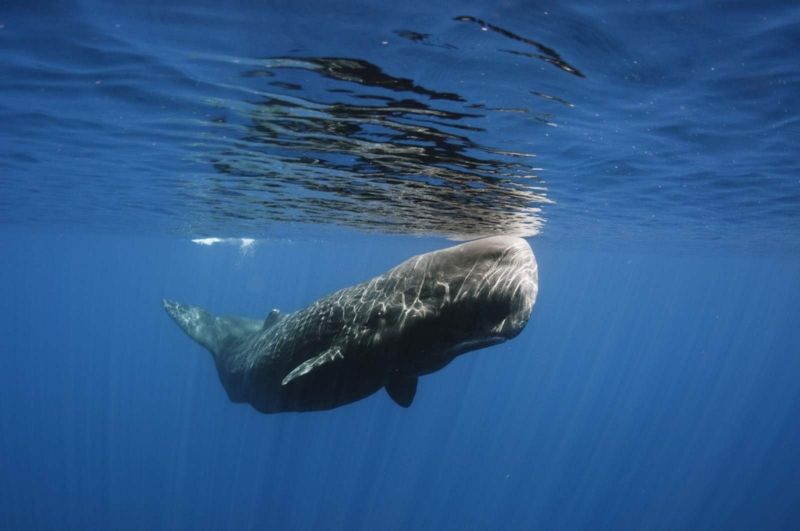
Sperm whales are the deep-sea titans of the cetacean world. Instantly recognisable by their enormous box-shaped heads, which house the largest brain of any animal, they are legendary for their incredible diving abilities. These whales can plunge over 1,000 metres into the darkness in search of squid, holding their breath for more than an hour.
Their behaviour at the surface is very distinctive, with their blow angled forward and to the left, making them easy to identify from a distance. Before they deep-dive, they’ll raise their vast tail fluke high into the air, a much-loved site by whale-watchers that often results in a prized photo opportunity.
Socially, sperm whales live complex lives. Adult males travel solo or in loose groups, while females and young form tight-knit family pods that communicate using rhythmic patterns of clicks known as “codas.”
Where & When to See Them in Sri Lanka: Trincomalee (May–October)
On Sri Lanka’s east coast, Trincomalee offers some of the most dependable sperm-whale sightings in the world. Just offshore, the continental shelf plummets dramatically, creating deep, nutrient-rich canyons packed with squid, their favourite food. From May to October, large males and family units travel these underwater pathways, surfacing at regular intervals after their long, dramatic dives.
Highlights in Trincomalee:
- Excellent chances of seeing sperm whales’ characteristic blow
- Spectacular tail-fluke displays as they prepare for deep dives
- The chance to see both solitary males and tight social pods
- High likelihood of seeing them alongside dolphins in mixed-species groups
Where to Stay:
Guests at Jungle Beach an Uga Experience can head out on responsible whale-watching excursions that depart from nearby Nilaveli. Tours follow strict wildlife-viewing guidelines and are led by expert guides who can help you to interpret behaviours and understand the ecology of each species that you encounter.
Dolphins (Spinner & Bottlenose)
About the Species
Dolphins are among the most charismatic and energetic marine mammals in Sri Lankan waters and are often the highlight of a boat trip due to their playful interactions. There are several species of dolphin found in Sri Lankan waters but two that you’ll most frequently encounter: spinner and bottlenose dolphins.
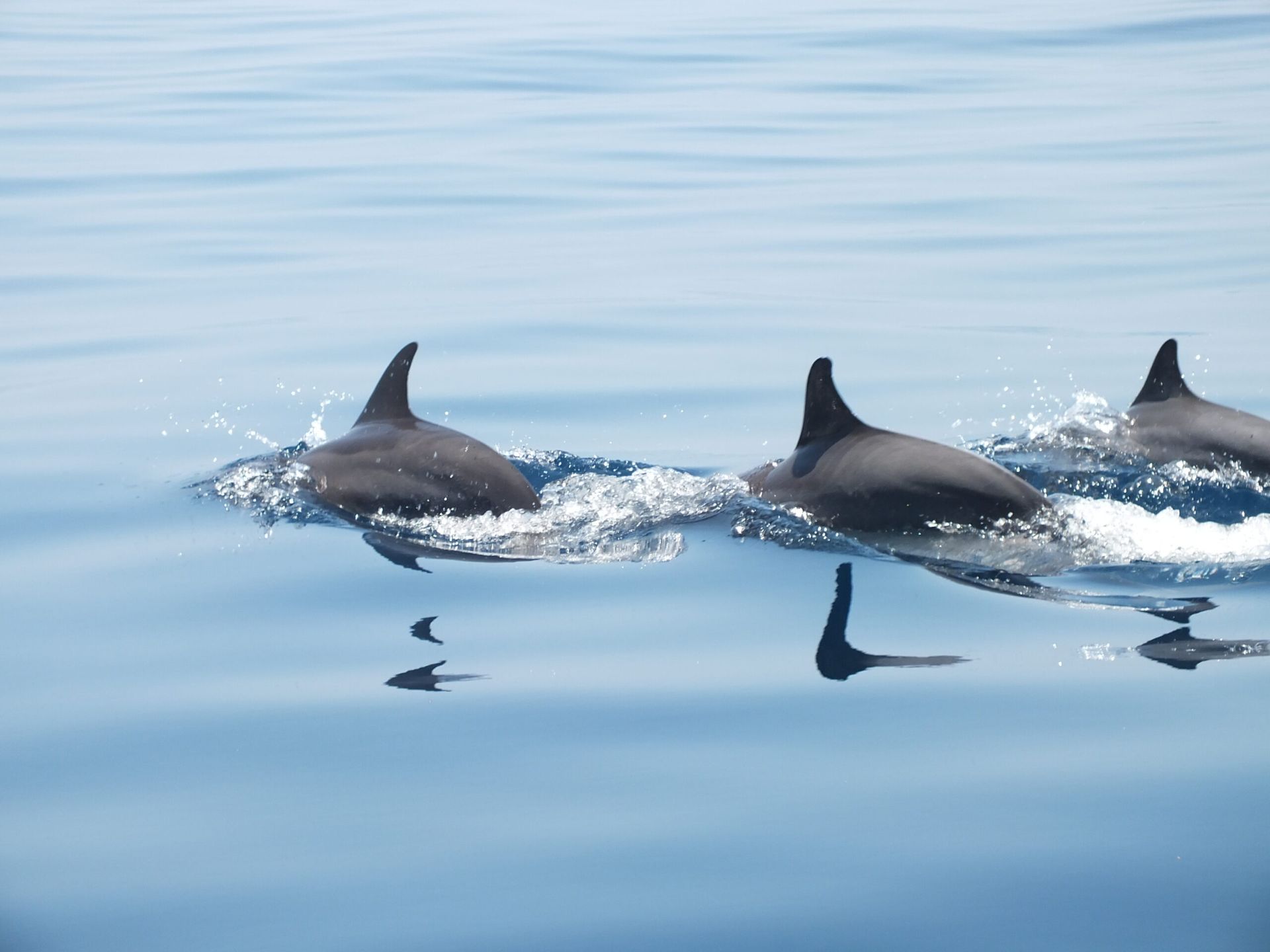
Spinner dolphins are recognisable by their acrobatic displays: they leap high out of the water and spin rapidly, completing up to seven rotations in a single jump. These dolphins travel in large, tightly coordinated pods that may stretch hundreds of metres across the sea, an incredible spectacle when seen from a boat. Bottlenose dolphins, on the other hand, are larger and more robust. They are known for their intelligence and often swim alongside boats, bow-riding and playfully leaping in the wake.
When & Where to See Dolphins in Sri Lanka: Trincomalee (Year-Round, Peak: May–October)
Dolphins can be seen in the waters around most of Sri Lanka but we recommend spending time on a dolphin watching trip in Trincomalee, which is well known for its enormous resident and migratory pods. With its calm and sheltered waters, the east coast is the perfect location for a boat trip, where the high visibility makes it easy to spot the dolphins. During May to October, both spinner and bottlenose dolphins congregate in large numbers here and you’ll often see them together.
Highlights in Trincomalee:
- Large pods performing coordinated leaps and long surface runs
- Frequent bow-riding behaviour near boats
- Opportunities to see both spinner and bottlenose dolphins in the same outing
- Chance encounters with other species, including Risso’s dolphins and Fraser’s dolphins
Where to Stay:
For easy access to the east coast’s dolphin watching trips, we recommend staying at, Jungle Beach an Uga Experience which is perfectly placed for dolphin-watching adventures launched from Nilaveli, just outside of Trincomalee. Booking with the hotel will ensure that you’re getting expert guides who will share their profound knowledge of these species, while also ensuring the trips are ethical and licensed to follow vital wildlife guidelines.


 youtube
 instagram
 share
share