

Top 5 Spots for Snorkelling and Scuba Diving in Sri Lanka
Sri Lanka is slowly earning itself a reputation as being one of the most exciting destinations for scuba diving and snorkelling in the world. Its warm waters (averaging 27-30°C), fantastic visibility, diverse coral reef systems and plethora of marine life make it an obvious choice for this recognition.
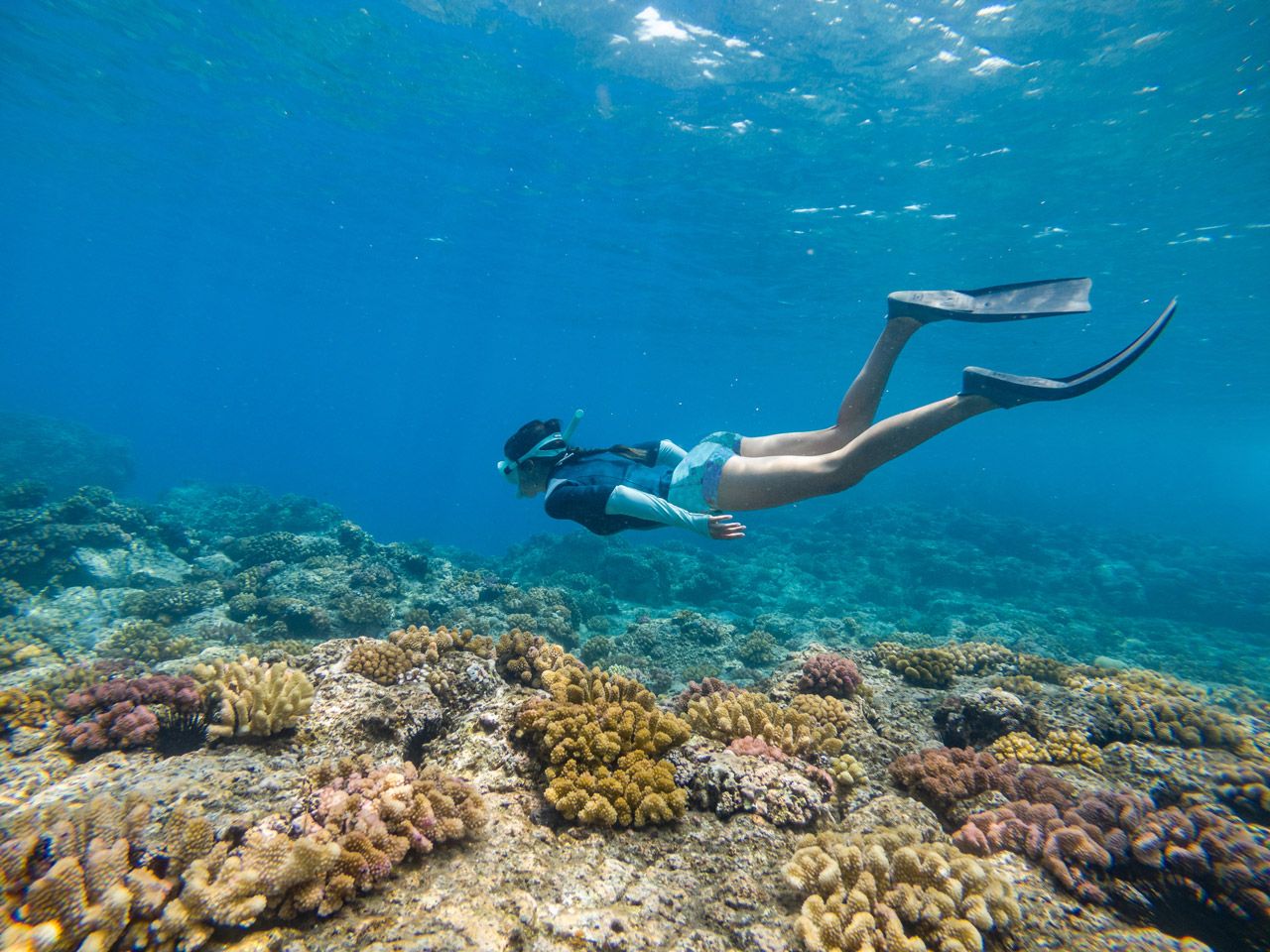
For divers, it offers a vast range of different sites to suit all ability levels, whether you’re looking for shallow coral gardens, deep wrecks or tricky rock formations. Importantly, there are plenty of accredited dive operators across the island offering guided dives with full equipment rental, making it a good place to learn to dive as well.
For snorkellers, there are an enormous amount of shallow coral gardens, all teeming with marine life. You’ll find yourself swimming among schools of brightly coloured reef fish, alongside sea turtles and reef sharks. It’s the perfect place to introduce children to the magic of the underwarter world, with warm, clear and gentle waters plus plenty of equipment hire on offer.
In this guide, we’ll take you through our top five spots to dive or snorkel in Sri Lanka, whether you’re looking to float on the surface or descend into deeper water.
Pigeon Island Marine National Park – Trincomalee (East Coast)
Best for: Iconic snorkelling, beginner-friendly reefs.
Best season: May–October.
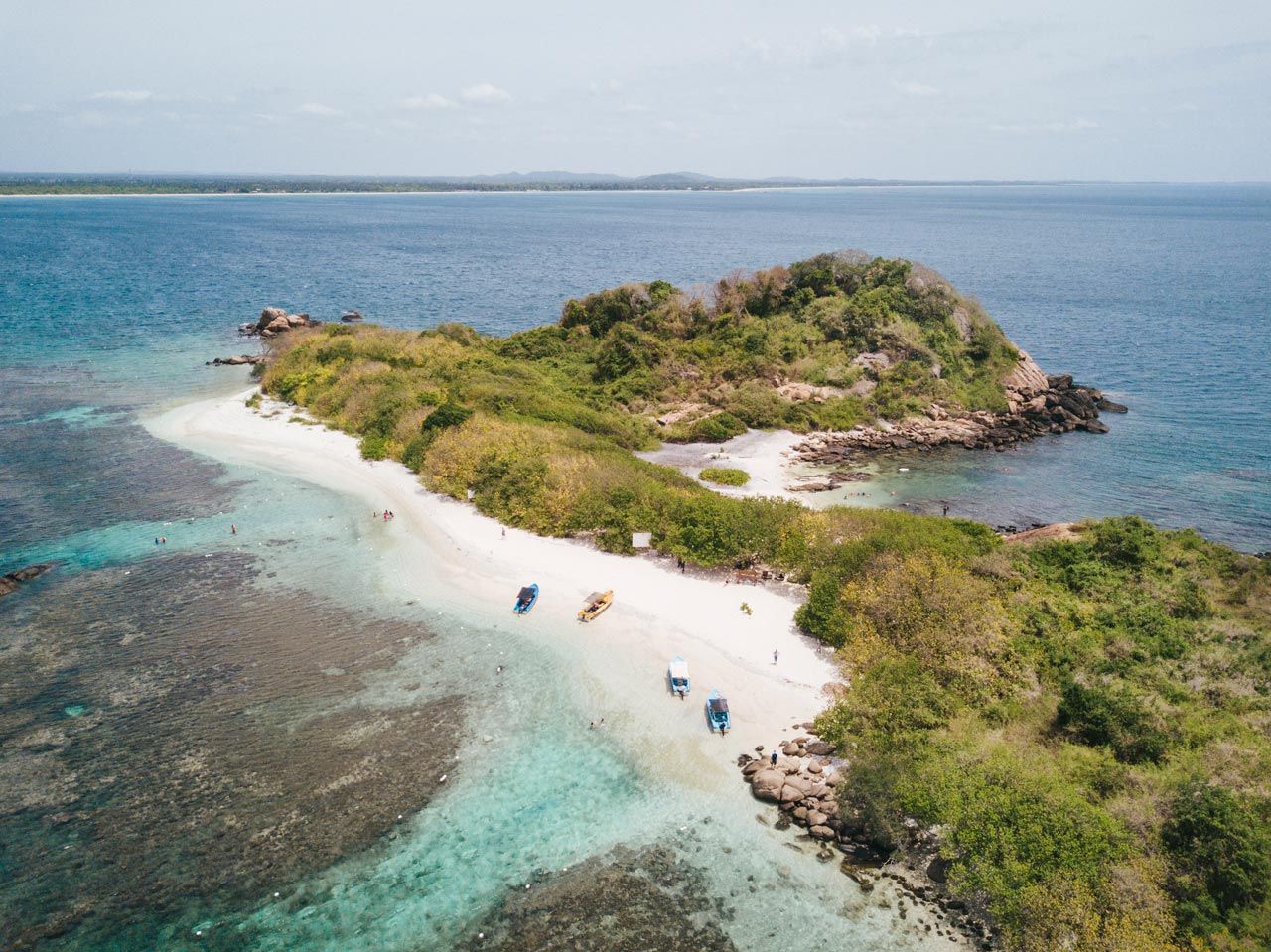
Only a short boat ride from Nilaveli, Pigeon Island is made up of two small islets that are connected and surrounded by one of the best-preserved coral reefs in Sri Lanka. Named after the native blue rock pigeons that live on the island, it is a protected site with marine national park status (one of only three in Sri Lanka) and boasts over 100 species of coral that provide a vital habitat for a vast range of marine life. Over 300 different species of fish can be seen here, including parrotfish, butterflyfish, angelfish, clownfish and wrasse. You’ll also find blacktip reef sharks slinking around the shallows, while hawksbill, green, leatherback and olive ridley sea turtles drift between patches of seagrass and sponges.
For such a small site, snorkelling Pigeon Island is a fantastic experience with the chance to see multitudes of marine life easily and in one place. Visiting during the dry season between May and September will guarantee you calm conditions and crystal clear visbility.
Where to Stay:
Guests at Jungle Beach an Uga Experience can enjoy exclusive snorkelling excursions to the national park, with marine guides who help identify species and highlight the fragile ecology of this protected reef.
Pasikuda Bay – East Coast
Best for: Gentle snorkelling, soft corals and relaxed marine encounters.
Best season: May–October.
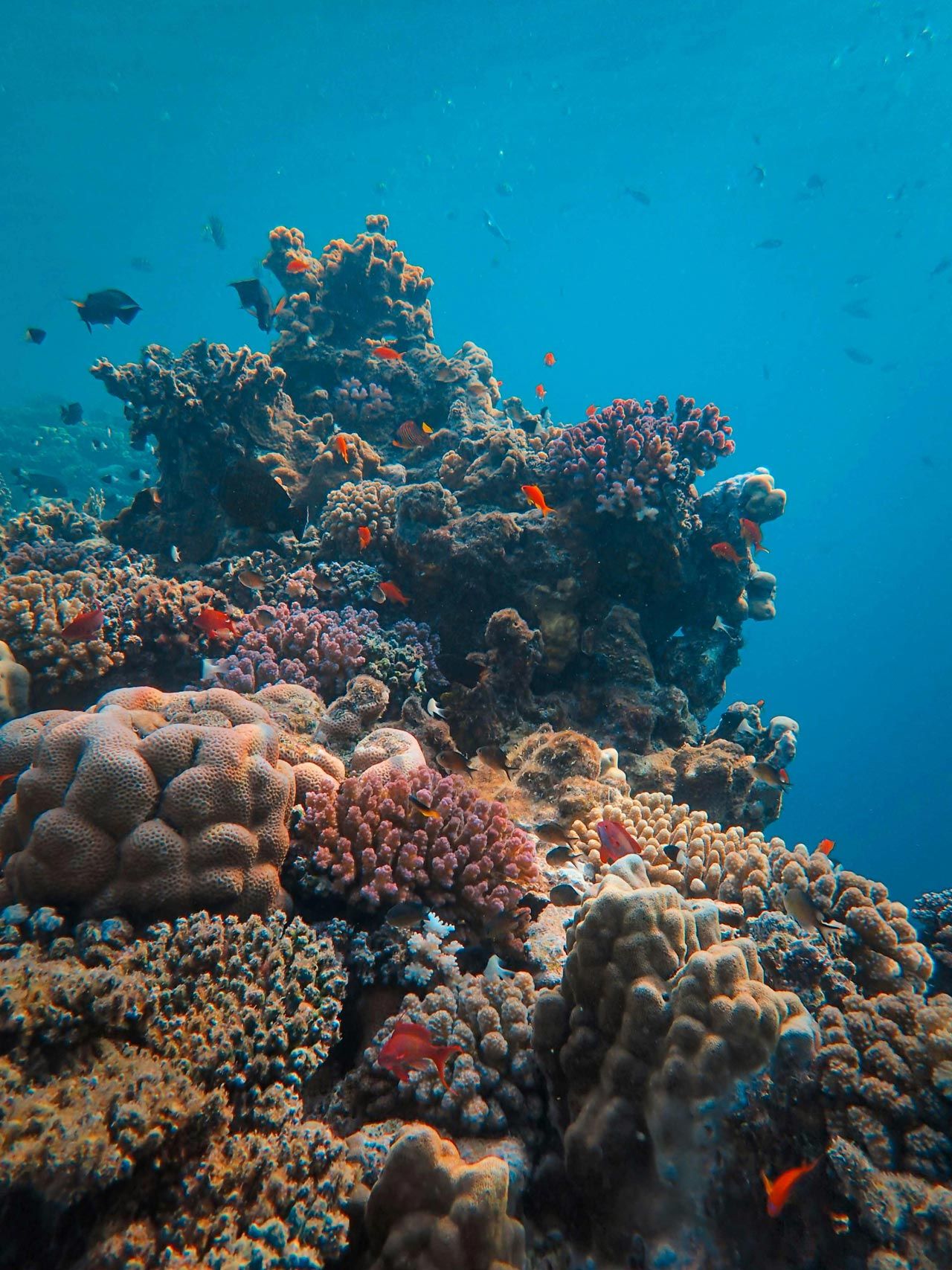
With its distinctive horseshoe-shaped curve and glassy shallow waters, Pasikuda Bay offers some of the easiest, most relaxing snorkelling on the island. The sheltered bay is a natural nursery for juvenile reef fish and rays, and its sandy bottom is dotted with soft corals and seagrass beds frequented by turtles. The reefs here are easy to access and navigate, making them a great spot for beginners.
When the east coast enters its optimal season (May to October), the water becomes astonishingly clear, making Pasikuda ideal for families, first-time snorkellers or anyone wanting long, tranquil sessions in the water.
Where to Stay:
At The Bay an Uga Experience, curated snorkelling trips depart directly from the resort. Guests enjoy safe access to the bay’s best coral patches with the support of experienced guides.
Hikkaduwa & Tangalle – Southwest & South Coast
Best for: Classic coral gardens, turtles and sheltered bays.
Best season: December–April.
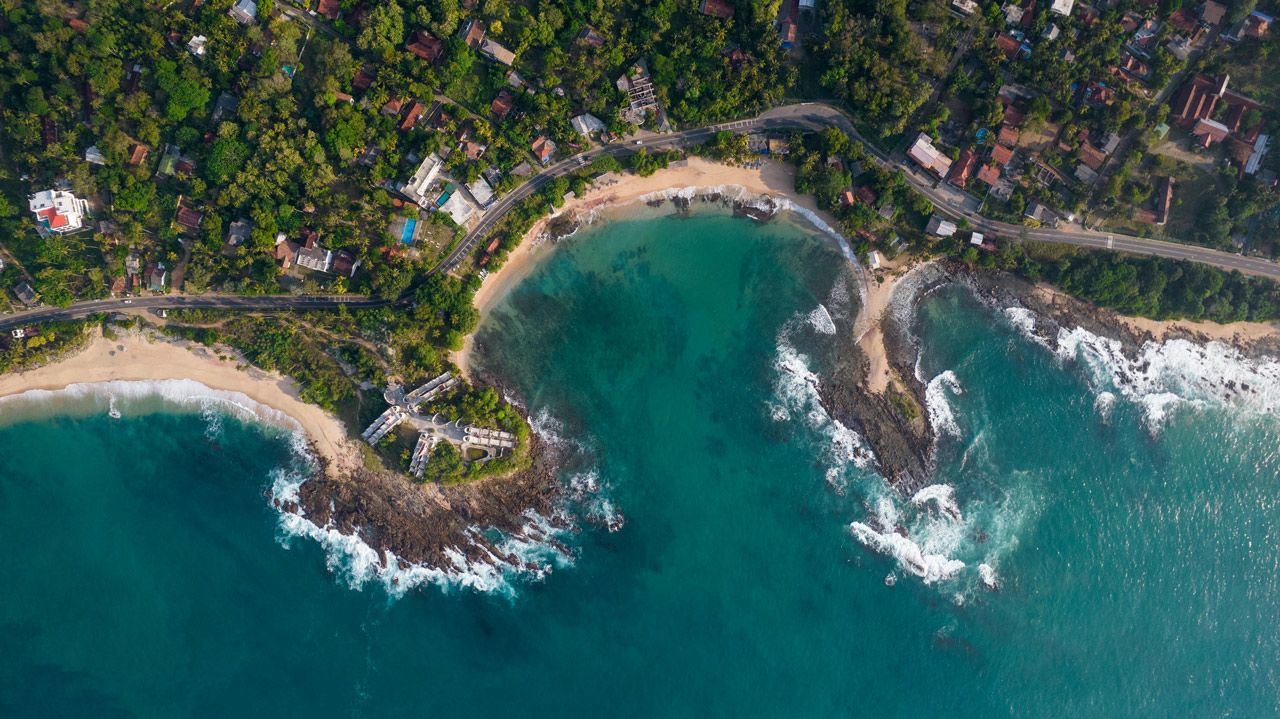
On the southwest coast, Hikkaduwa is one of the country’s oldest marine sanctuaries and is celebrated for its colourful reef systems and near-guaranteed turtle encounters. You’ll find shoals of brightly coloured reef fish weaving through the coral heads here, while moray eels, rays and the occasional reef shark can sometimes be spotted in the deeper sections.
Hikkaduwa can get busy due its popularity, so if you’re seeking a quieter alternative, Tangalle delivers uncrowded bays with relaxed snorkelling in similarly crystalline, turqouise water. Coral patches, reef fish and turtle sightings are common, especially during the peak dry season.
Where to Stay:
Guests at Uga Prāva can enjoy guided snorkelling excursions in the Tangalle area, complete with sustainable practices and access to secluded bays.
Pasikuda & Kalkuda Reefs – East Coast
Best for: Reef diving, macro marine life and historic wrecks.
Best season: May–August.
The east coast transforms into a diver’s paradise from May to August, with warm water, long visibility and healthy, colourful reef systems. Around Pasikudah and Kalkudah, divers can explore underwater pinnacles, coral formations and rich macro life, including nudibranchs, shrimp, octopus, and reef sharks.
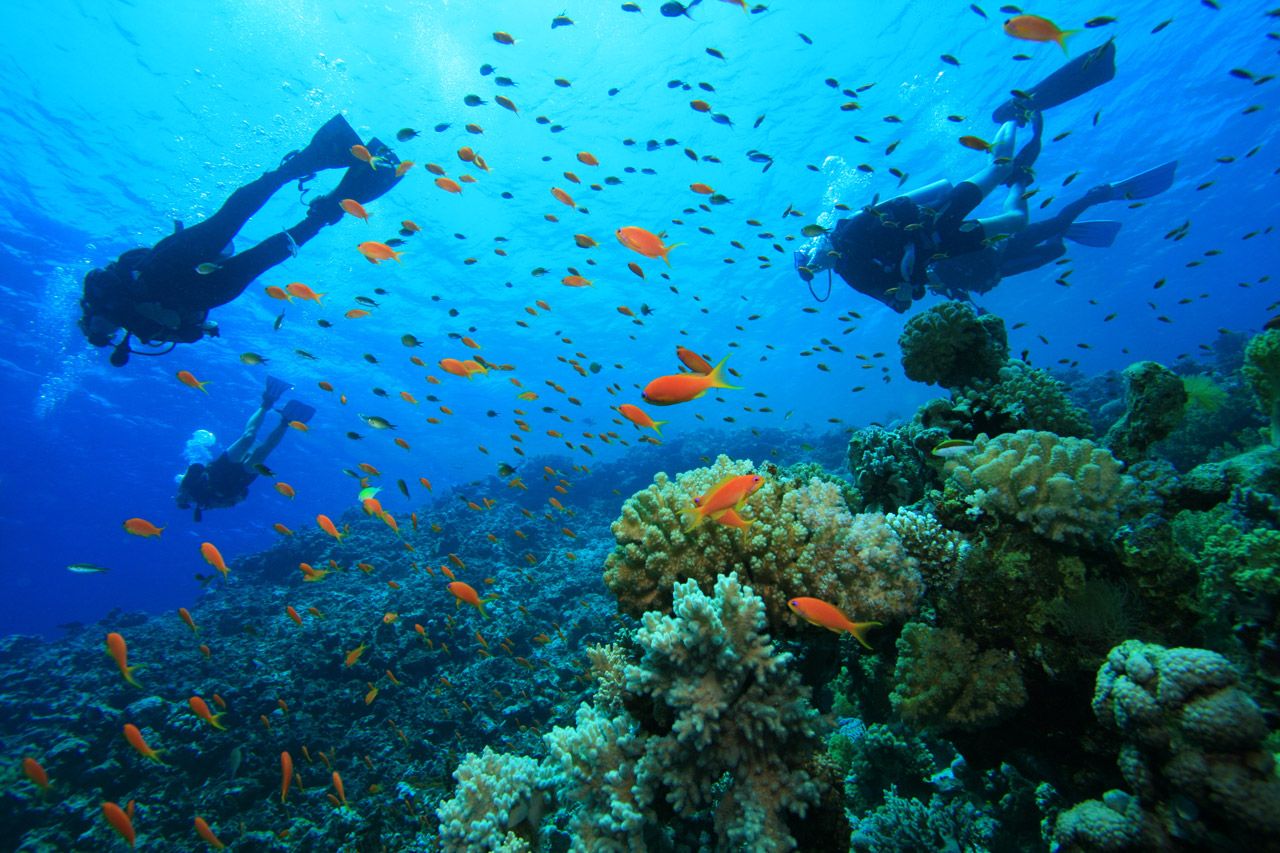
One of the region’s biggest draws for experienced scuba divers is its historic wrecks. Just off the coast of Batticaloa lies the most well-known, the HMS Hermes wreck, once the world’s first purpose-built aircraft carrier that sank during World War II and is now resting on the seabed forming a vast artificial reef. It is covered in corals, and you’ll often find larger species of fish, such as manta rays, reef sharks and even whale sharks circling here.
Where to Stay:
Guests at The Bay can book specialised diving trips suitable for both beginners and experienced divers, including excursions to deeper reefs and untouched corners of Pasikuda’s underwater world.
Swami Rock & Navy Island – Trincomalee (Northeast Coast)
Best for: Dramatic underwater drop-offs, caves and rich marine life
Best season: May–August
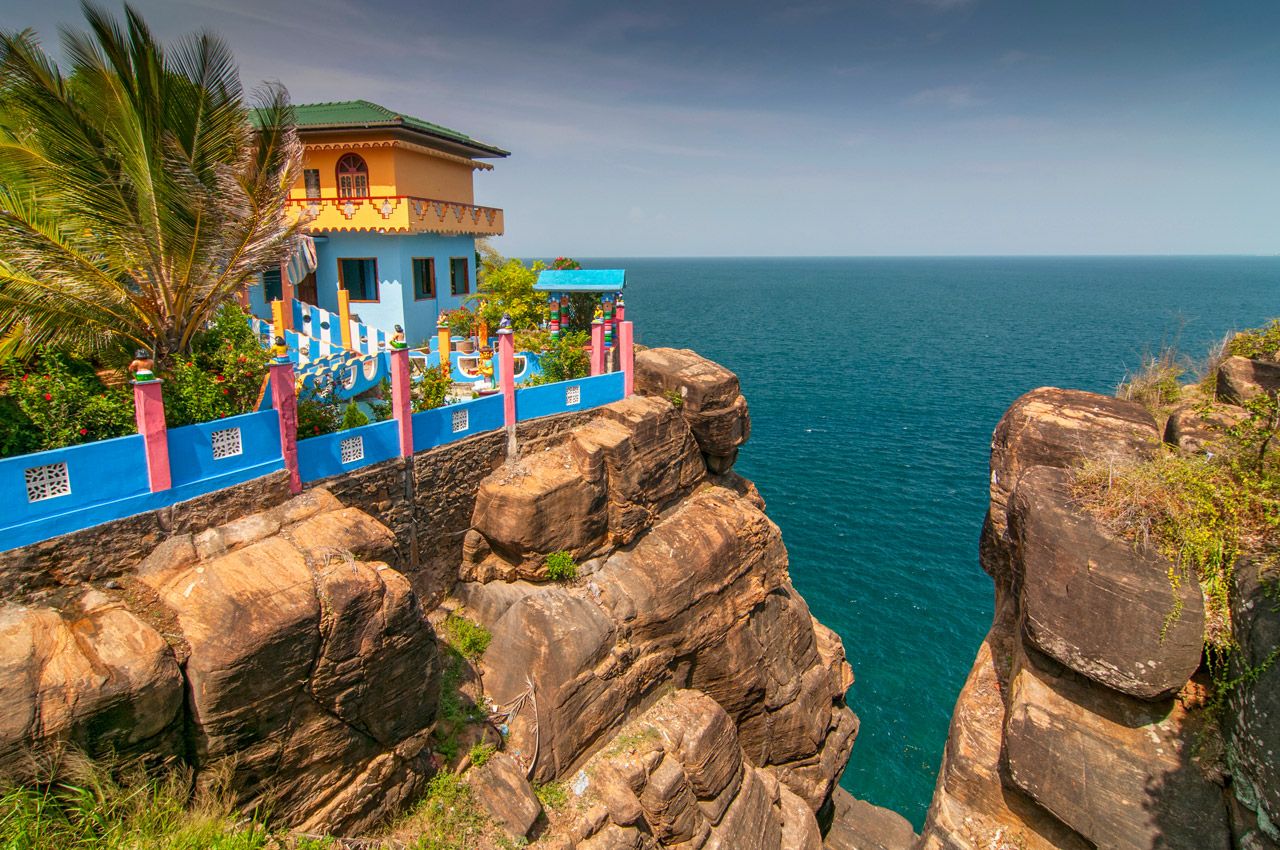
Often described as one of the finest dive sites in Sri Lanka, Swami Rock features dramatic underwater cliffs and caverns that attract a huge range of marine species, including trevally, barracuda, rays, sea snakes, turtles and plenty of reef fish. You’ll find dive depths from between 10-30 metres (33-100 feet) here. There are lots of currents around Swami Rock so it’s best to be mindful of your location throughout the dive. Beyond the ledges and fissures, divers may encounter
Nearby Navy Island provides gentler dives with colourful coral gardens, perfect for intermediate divers looking for relaxed exploration without sacrificing variety.
Where to Stay:
Jungle Beach gives divers easy access to Trincomalee’s top sites. Guided trips depart directly from the resort, ensuring safe, responsible diving led by knowledgeable instructors.
Bonus: Great Basses & Little Basses – Southeast Coast
Best for: Advanced divers, strong currents and legendary shipwrecks
Best seasons: March–April & August–September
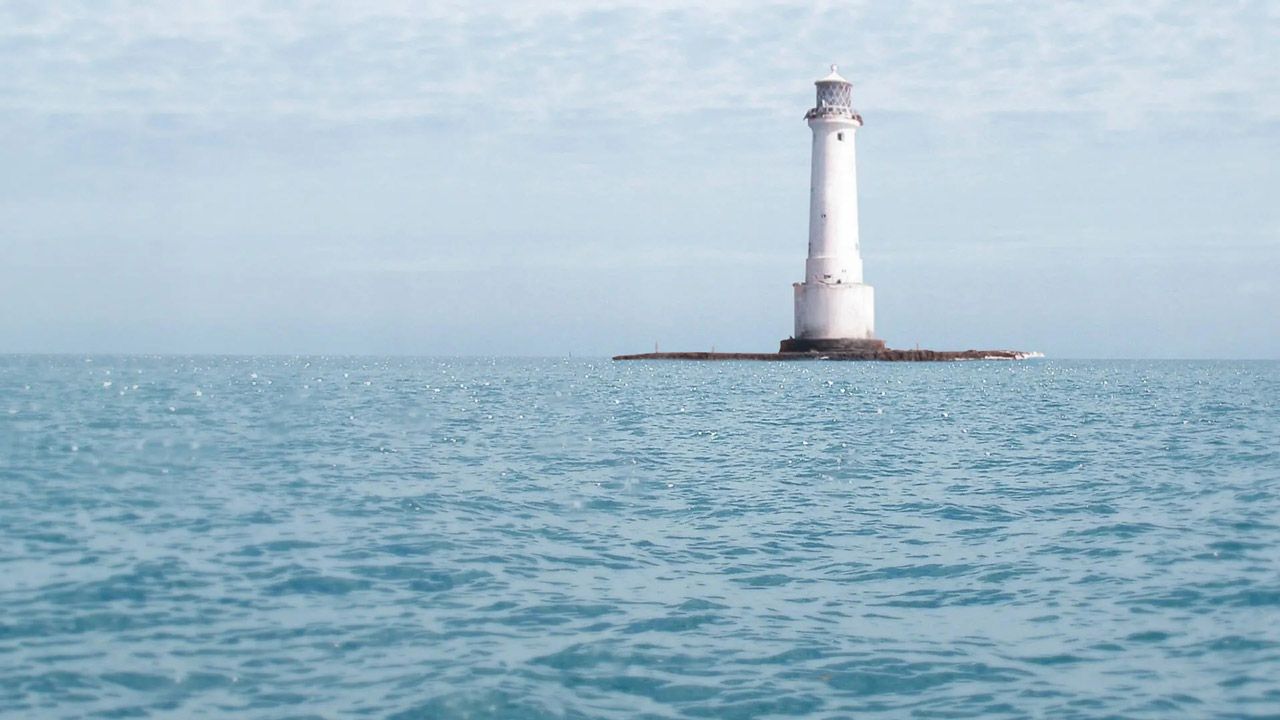
Located off the coast near Yala, these two remote reef systems are legendary among experienced divers. Strong currents carve dramatic underwater terrain, where ancient shipwrecks, including vessels once believed to carry treasure, lie scattered along the seabed. Tiger sharks and large pelagics are occasionally seen here, adding to the thrill.
Where to Stay:
Uga Chena Huts is located in close proximity to the Great and Little Basses.


 youtube
 instagram
 share
share