

The east coast of Sri Lanka is quiet, wild and untamed. Unlike the looping bays of the south coast with their bohemian culture, barefoot luxury boutique hotels and jungled rocky headlands, the east coast boasts long beaches, whose open swathes of empty sands are backed by sand dunes and protected national parks. You’ll find a handful of sophisticated coastal retreats tucked along the coast but, for the most part, you’ll find simply peace and solitude.
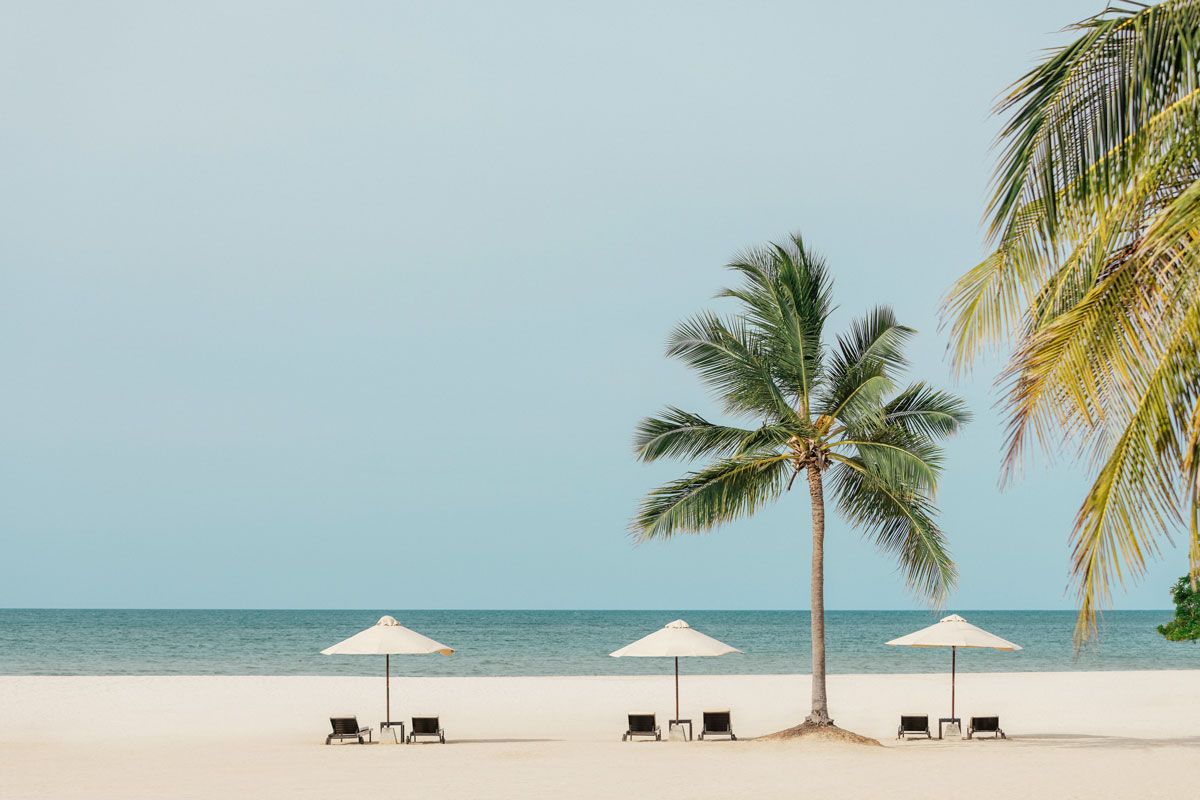
Less explored than other regions, the east coast preserves a strong sense of cultural identity and a slower, more authentic pace to life. You’ll discover ornate temples, colourful fishing boats and divine seafood in the coastal towns, while the beaches offer the chance to walk for miles alongside calm, shallow water. It’s the perfect coastline to sail, with translucent seas tempting lazy afternoons at anchor, swimming or snorkelling in the warm Indian Ocean.
From Trincomalee’s vibrant temples to the sweeping white sand beaches of Pasikuda and on to the world-renowned surf breaks at Arugam Bay, the east coast is a pleasure to explore; where fishing boats drift in at dawn, seafood grills glow at sunset and jungle-backed coves hide some of the country’s most exclusive coastal retreats. During the dry season from May to September, the east coast comes into its own, with clear skies, mirror-flat seas and a sense of unhurried luxury.
This guide gives you some insider tips on the best of the east coast, including suggesting enticing ocean adventures, must-see cultural landmarks and refined beachfront hotels.
Best Beaches on Sri Lanka’s East Coast
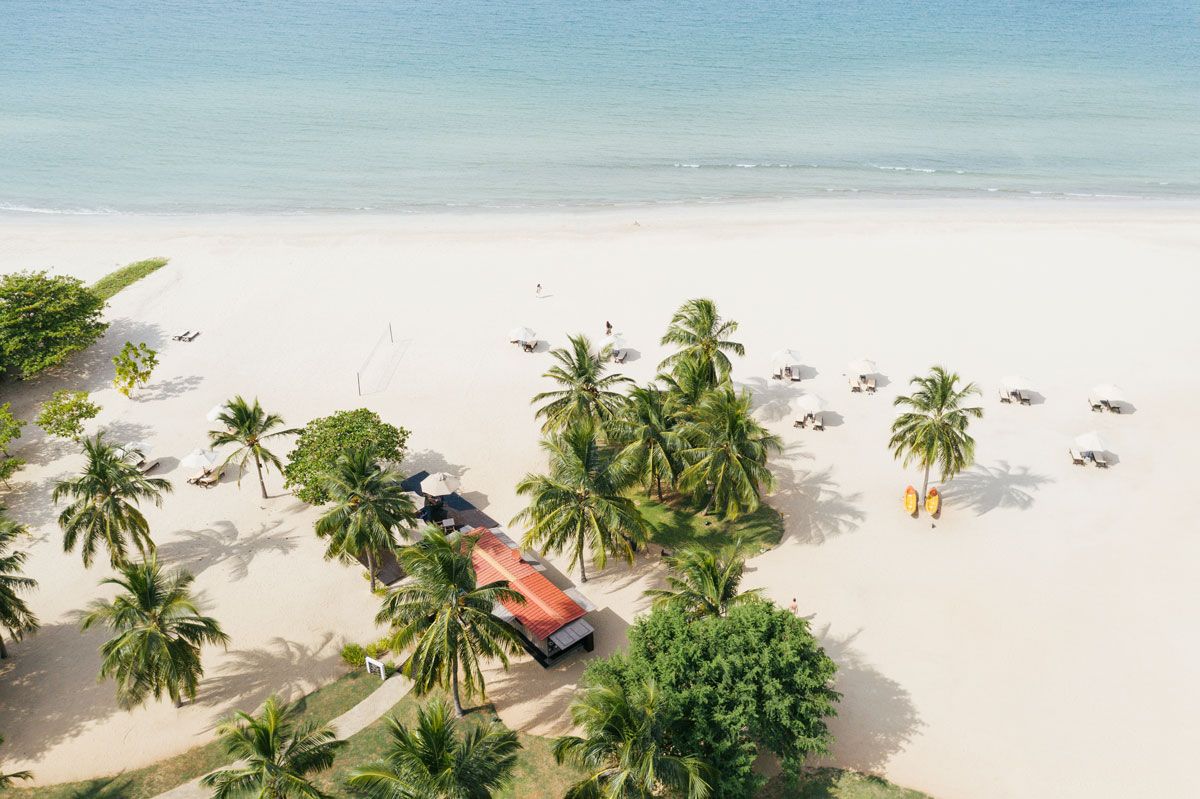
Sri Lanka’s east coast beaches are some of the best on the island with wide, powder-soft sands gently sloping into calm, clear waters. They are the perfect spot for some lazy days of unwinding on the coast.
One of our favourites is Nilaveli Beach, boasting 4km (2.5 miles) of paradisical palm-lined sands, just north of Trincomalee. Its gently shelving shoreline makes it ideal for swimming, while its laid-back atmosphere reflects the quieter pace of the east. Offshore from here you’ll find Pigeon Island National Park, one of Sri Lanka’s most important marine sanctuaries where over 300 species of reef fish dart among the coral, alongside black tip reef sharks and a variety of sea turtle species.
Heading south along the coast, Pasikuda Beach boasts palm-slung hammocks, upmarket hotels and sophisticated beachfront dining in a sheltered curve of a bay where the water remains shallow and wonderfully warm for an indulgently long paddle out from the coast. It’s a popular place to spend the day with young children, who can chase tiny crabs in and out of the water to their heart’s content.
For a more rugged, less developed beach experience, Kalkuda is a 2km (1 mile) stretch of wide, untamed sand backed by palm trees and dotted with multi-coloured fishing boats. It’s protected by an offshore reef, giving calm swimming conditions in its turquoise waters.
Finally, no trip to the east coast would be complete without a visit to Marble Beach, near Trincomalee. A secret gem of a cove, bordered by headlands of dense jungle, it boasts the most dramatically aquamarine water and is a popular place for swimming.
Best Marine and Ocean Experiences on Sri Lanka’s East Coast
With some of the clearest waters in Sri Lanka, the east coast is a haven for snorkelling, diving and sailing. Pigeon Island National Park is the standout marine experience, home to vibrant coral reefs, reef sharks, hawksbill turtles and kaleidoscopic tropical fish. Snorkelling here offers some of the best underwater visibility in the country, with expert marine biologists offering a gently immersive wildlife experience: unhurried, visually spectacular and inspiringly informative.
Trincomalee’s natural deep-water harbour supports excellent diving opportunities, including coral gardens, shipwrecks and reef walls teeming with marine life. Calm seas during the east coast season make conditions ideal for both beginner and experienced divers.
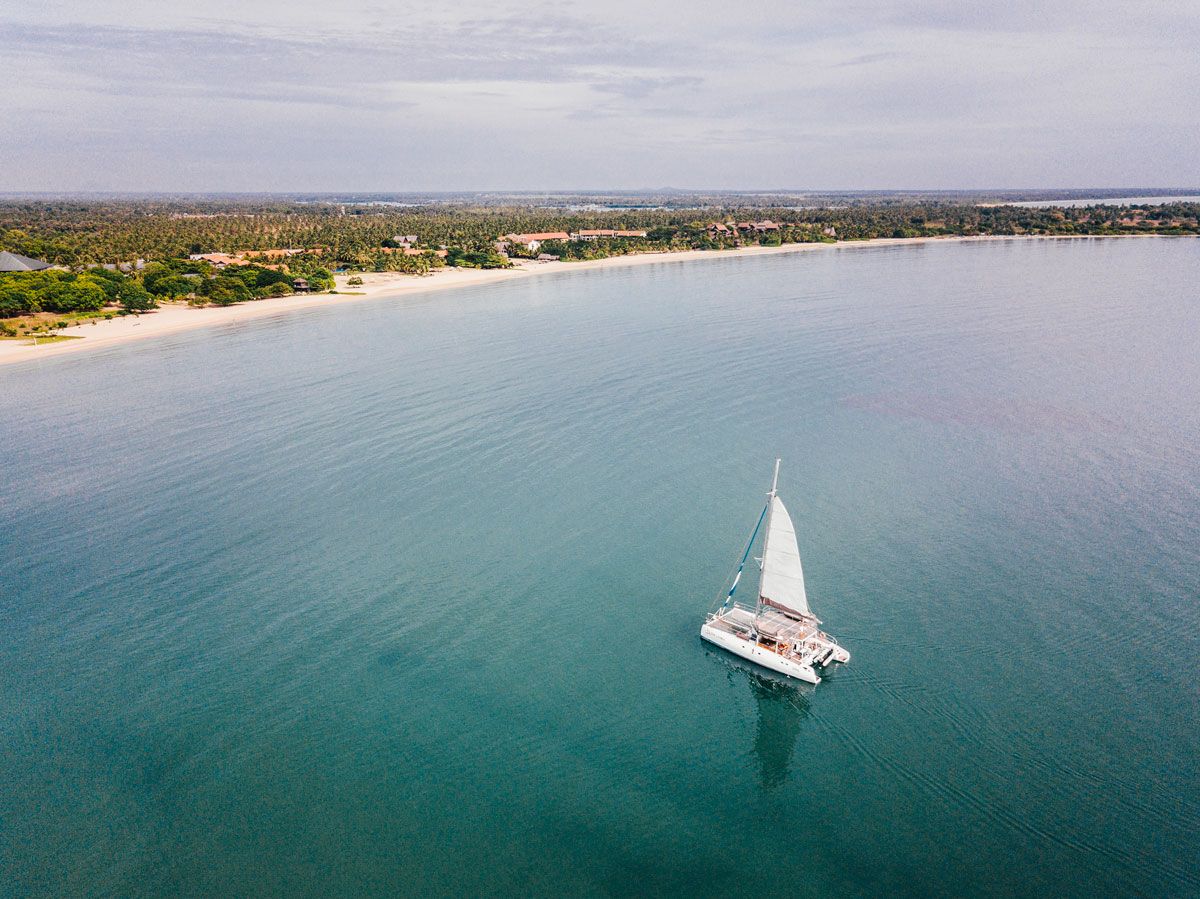
For those preferring to stay above the surface, the east coast is best explored by sailing boat where the sense of freedom and silence of the gentle wind can lead you to deserted beaches and hidden bays. Alternatively, you can head out on whale watching trips from here, spending time among one of the biggest pods of sperm whales in the world and keeping an eye out for the migrating blue whales and lively spinner dolphins.
You’ll pass traditional fishing boats as you sail, whose fishing methods remain an integral part of daily life. If you’re out early walking the beaches, you’ll be able to watch fishermen hauling in nets, their catch later appearing on restaurant menus in impeccably fresh seafood dishes.
Best Surf Spots on Sri Lanka’s East Coast
Sri Lanka is famed for its surfing, with multiple breaks along the south coast flagged as go-to destinations for any aspiring surfer. But it’s the east coast that claims the title of the island’s best surf spot. Arugam Bay has a wave for every skill level and is a laid-back surf town with a wonderfully easy-going atmosphere.
During the April to September peak season, the waters here will fill with surfers escaping the monsoon on the south coast. It’s a fantastic place to watch the balletic board-riding performances, even if you’re not surfing yourself. Arugam Bay’s Main Point surf break offers fast, right-hand barrels for the expert surfers, while Baby Point gives slow sections for beginners and is where you’re likely to surf if you go out with the town’s surf schools.
To the north of the main beach, you’ll find the beginner-friendly Whiskey Point, backed by coconut groves and emerald lagoons. While to the south, you’ll find the remote break of Okanda where expert surfers can ride waves alongside dense, wild rainforest.
Best Cultural and Spiritual Sites on Sri Lanka’s East Coast
Trincomalee is one of Sri Lanka’s oldest towns, with a culture that has been shaped over two millennia by Hindu, Buddhist and colonial influences. Often affectionally called ‘Trinco’ the town developed here on the back of its harbour, said to be one of the biggest natural harbours in the world. It’s a town that embodies the laid-back mix of cultures along the east coast. Bicycles glide past pastel-hued houses, the air carries the mingled scents of salt, incense and wood-smoke while the sound of temple bells drifts on coastal breezes.
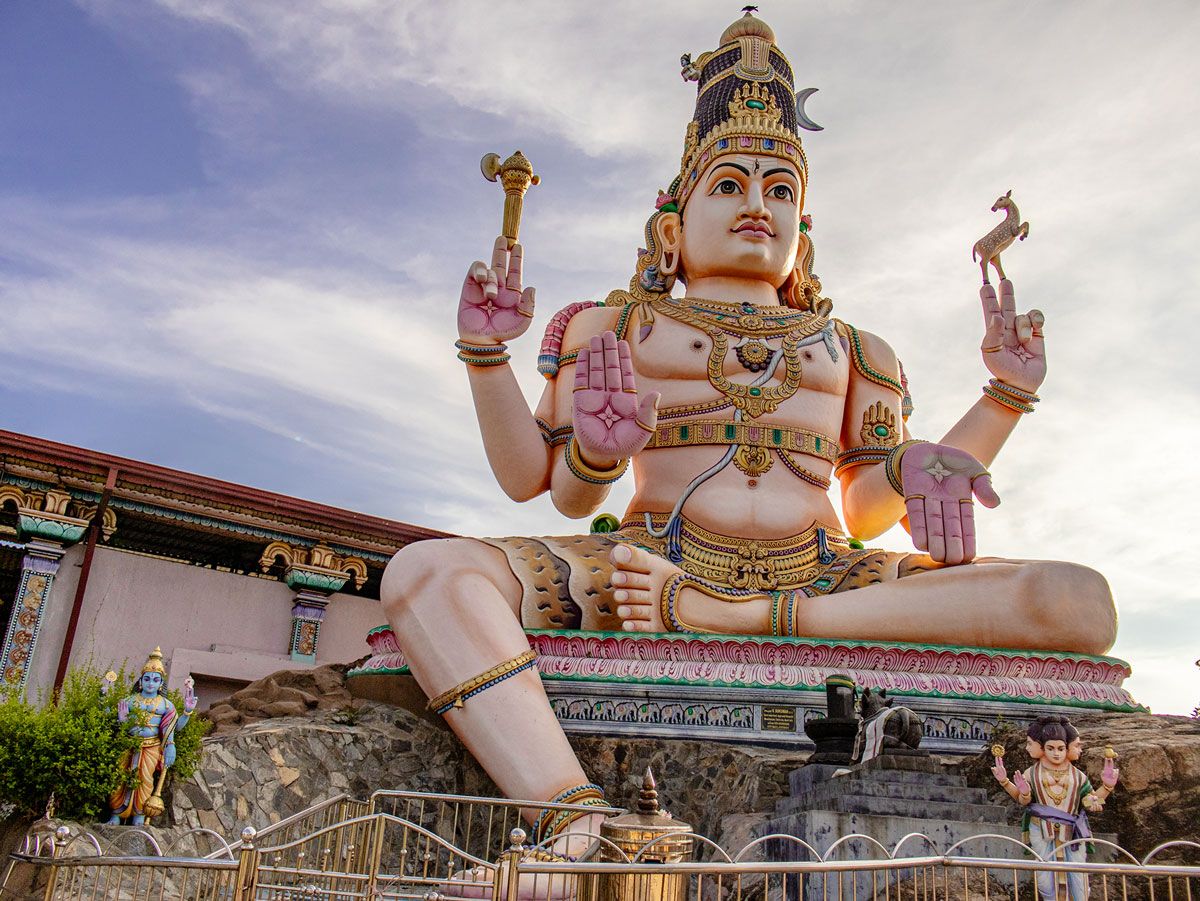
One of the best places to view the scale of the harbour is from the vibrantly coloured Koneswaram Temple, which perches on top of the vertiginous, 400-foot-tall Swami Rock at the heart of the 17th century Fort Frederick. The temple itself is dedicated to the Hindu god Shiva and is one of the most important religious sites for Hindus in Sri Lanka, believed to be formed from a fragment of the holy Mount Meru. Despite the sea crashing against the base of the rock, it is a place of profound, quiet reverence.
Another east coast region that is worth exploring is Batticaloa, where a privately-guided tour will introduce you to a mesmerising mix of colonial history, deep lagoons and cultural landmarks. You’ll visit the Batticaloa Fort, built by the British and later occupied by the Dutch and British, gaining tantalising glimpses from its walls along serene waterways where boats glide past stilted houses, where fishing nets hang out to dry in the sun,
Inland, natural hot springs near Trincomalee provide a unique wellness experience. Steam rises gently from the mineral-rich pools, naturally heated by geothermal activity, as warm water soothes your skin. Believed to have therapeutic properties, they offer a deeply grounding contrast to the salt, sun and movement of the coast’s oceanic adventures.
Best Food and Local Experiences on Sri Lanka’s East Coast
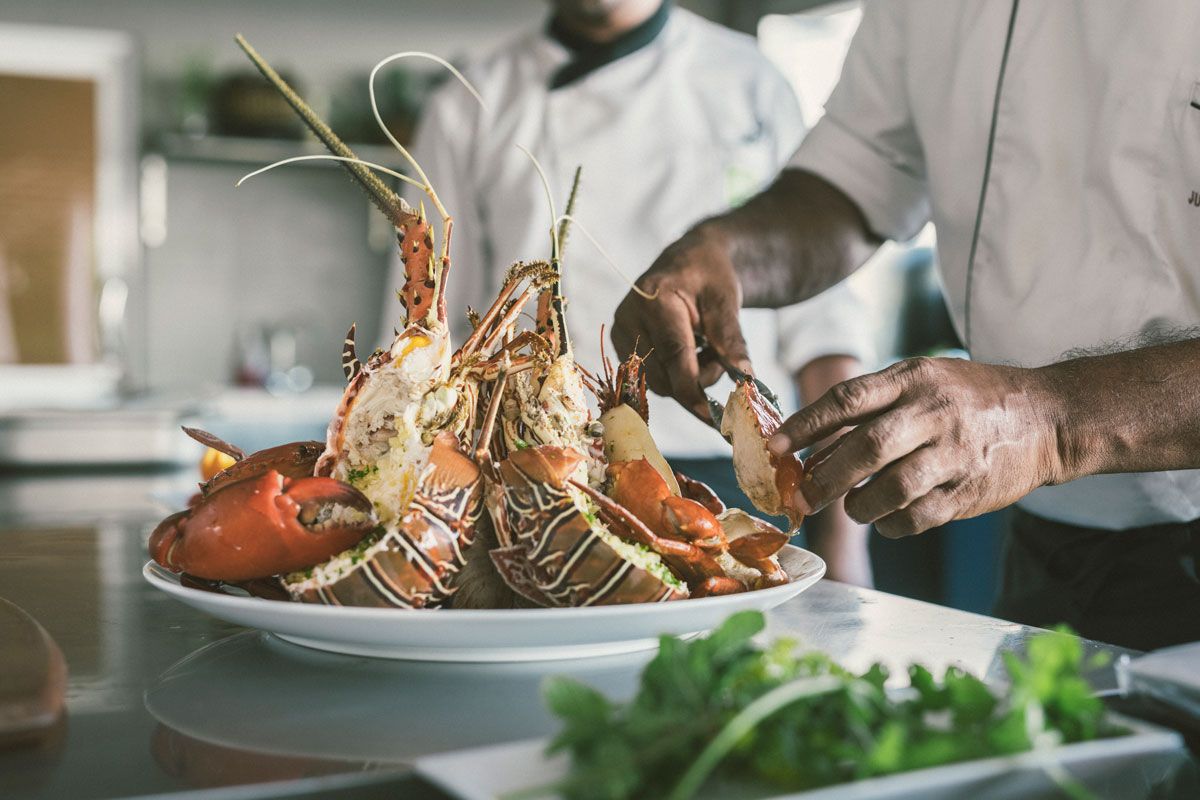
Seafood defines the east coast’s culinary identity. Daily catches of crab, prawns, cuttlefish and reef fish are transformed into fragrant curries or grilled simply with lime and spice. Dining is often beachfront and unpretentious, where the focus is firmly on freshness and flavour.
Fishing remains central to coastal life, and you’ll be able to see the traditional techniques at work if you wander the beaches at sunrise, where the catches are hauled off the incoming boats. Alternatively, you can join local fishermen on a deep sea fishing trip, where you’ll get the chance to try your own luck in these bountiful waters.
Practical Tips for Visiting Sri Lanka’s East Coast
When to Visit:
The best time to visit Sri Lanka’s east coast is during the dry season from May to September, when seas are calm and skies are clear. This is also the peak season for snorkelling, diving and surfing at Arugam Bay.
What to Pack:
Lightweight clothing, swimwear, sun protection, reef shoes, insect repellent and a light layer for evenings. Snorkelling gear is useful for Pigeon Island, along with a dry bag for boat trips and a camera for underwater and coastal photography.
Getting Around:
Private drivers are the most comfortable way to explore the east coast, especially between Trincomalee, Pasikuda and Batticaloa. Tuk-tuks work well for short distances, while boat transfers are required for visits to Pigeon Island.
Where to Stay on Sri Lanka’s East Coast
Accommodation on the east coast is defined by space, seclusion and barefoot luxury, with properties that gently sit in harmony with the region’s natural beauty.
The Bay an Uga Experience, Pasikuda
Set along the tranquil shores of Pasikuda Bay, The Bay is a contemporary beachfront sanctuary designed for effortless relaxation. Spacious suites open directly onto soft sands, while the calm, shallow waters make swimming a pleasure at any time of day. Refined dining highlights fresh seafood and local flavours, complemented by ocean-view wellness experiences and curated excursions along the coast.
Jungle Beach an Uga Experience, Trincomalee
Hidden between a pristine private beach and a tranquil lagoon, Jungle Beach offers an immersive escape into nature without compromising on luxury. Elegant villas are woven into the jungle canopy, creating a sense of seclusion and serenity. From snorkelling at Pigeon Island and visiting Koneswaram Temple to sunset cruises and indulgent spa rituals, this is an ideal base for discovering the cultural and marine wonders of Trincomalee.


 youtube
 instagram
 share
share