

Surfing & More: A Guide to Water Sports in Sri Lanka
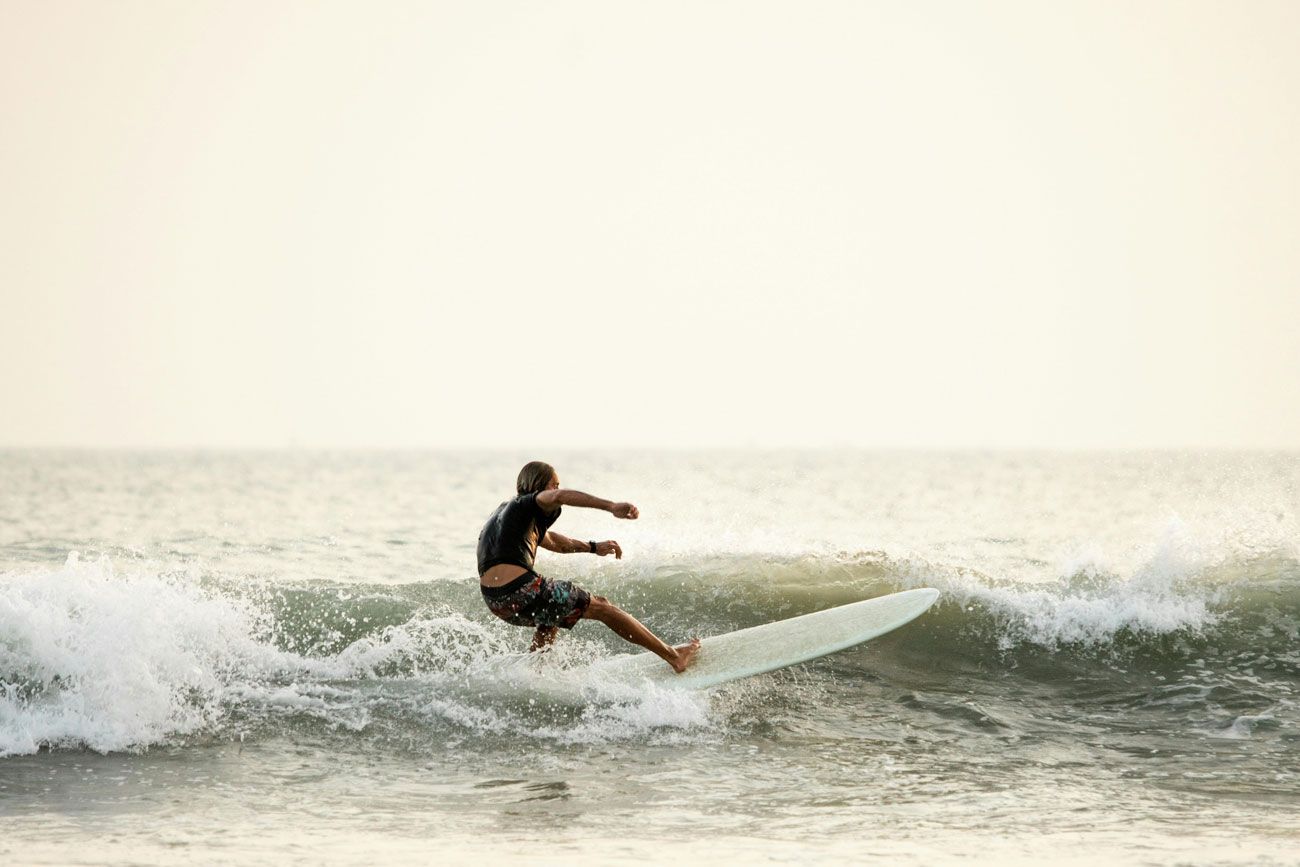
Sri Lanka is an island that offers some of the best conditions in the world for a vast range of watersports. In one trip here you could be fishing in bountiful deep waters, surfing world-class breaks, jet-skiing across mill-pool like bays, kayaking mangrove-fringed lagoons and sailing trade winds in the company of dolphins.
With its geographically split monsoon periods, it’s an island that welcomes visitors year-round whether you’re seeking wildlife hotspots or south coast swells. The key is in understanding its weather patterns and knowing when the best season is for each coast, depending on which water sport you’re most interested in.
We have an entirely separate guide dedicated to scuba diving and snorkelling, so this guide looks at the top five other water sports on offer in Sri Lanka: surfing, sailing, jet-skiing, kayaking and deep-sea fishing, and shares our advice on the best seasons, locations and hotels for each.
Surfing in Sri Lanka
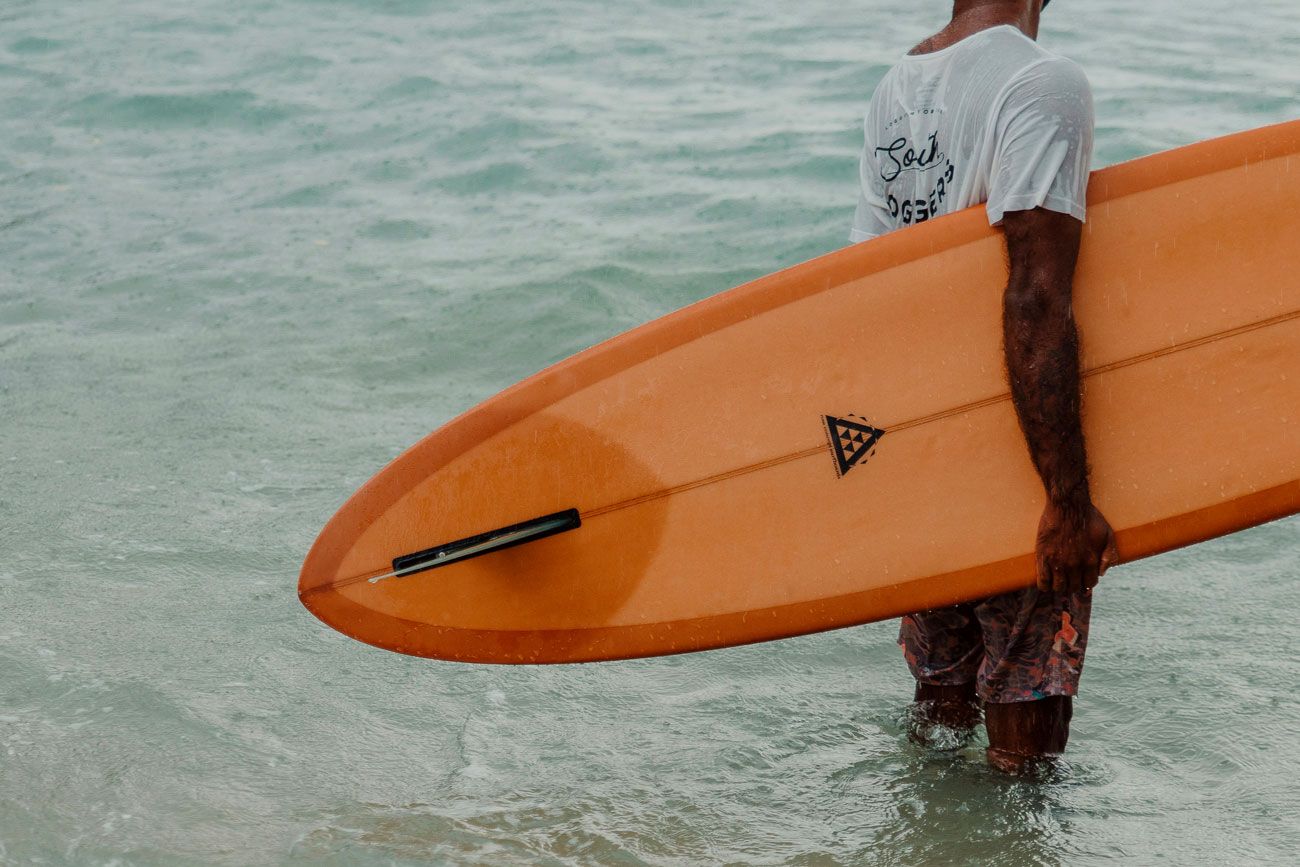
Pick up any surf magazine and the chances are you’ll find stories from Sri Lanka’s south coast. With its crescent bays, abundant reefs and rocky points, it’s perfectly created to frame the Indian Ocean’s consistent swells, naturally building them into waves to suit every level of surfer. The water is warm year-round here (averaging 27-30°C) and with a bohemian surf culture and multitude of surf schools or board hire on offer, there’s endless opportunities to progress during your stay.
Weligama – Best for Beginners and Intermediates
Weligama has a well-earned reputation as being one of the best places on the island to learn to surf. It’s a long, sandy bottomed bay, blessed with consistent but gentle 1-4 ft waves, where the water remains at waist-height for a long distance out from the shore. This makes it an ideal spot for first-timers, families and those developing their confidence on a board. You’ll find plenty of surf schools alongside the beach where you can book lessons or hire boards and these are interspersed with laid-back cafes, perfect for recovering between sessions in the sea.
Hiriketiya (Hiri) – A Boho Surf Haven
Known as Hiri to locals and surfers-in-the-know across the world, Hiriketiya is an eye-catchingly perfect horseshoe bay with a wonderfully bohemian atmosphere where surfers, yoga lovers and digital nomads gather. The two headlands that frame the bay break the swell here into two surfable waves, the inner beach break is a long, gentle ride perfect for novices, while the outer reef break is fast and technical, offering a rewarding challenge for more experienced surfers. You’ll find plenty of boutique stores, yoga classes and hipster cafes among the palm trees when you’re not surfing.
Unakuruwa – Long, Glassy Point Breaks
Sitting alongside busier hotspots like Tangalle and Hiri, Unakaruwa is a lesser-known spot that’s great for a more relaxing and peaceful surfing experience, where you can spend much of the day dozing in a palm-strung hammock and the other half enjoying the rides. The right-hand point break here can run for up to 100 metres on a good day, boasting 2-5 ft clean lines and a friendly, local atmosphere.
Best Season for Surfing
November to April (south & southwest coast): dry season brings consistent swells, offshore winds and clear skies.
Where to Stay
Uga Prāva – Tangalle
Where sophistication meets the sea, Uga Prãva offers simple coastal luxury and easy access to all of the major surf spots along the south coast of Sri lanka.
Sailing in Sri Lanka
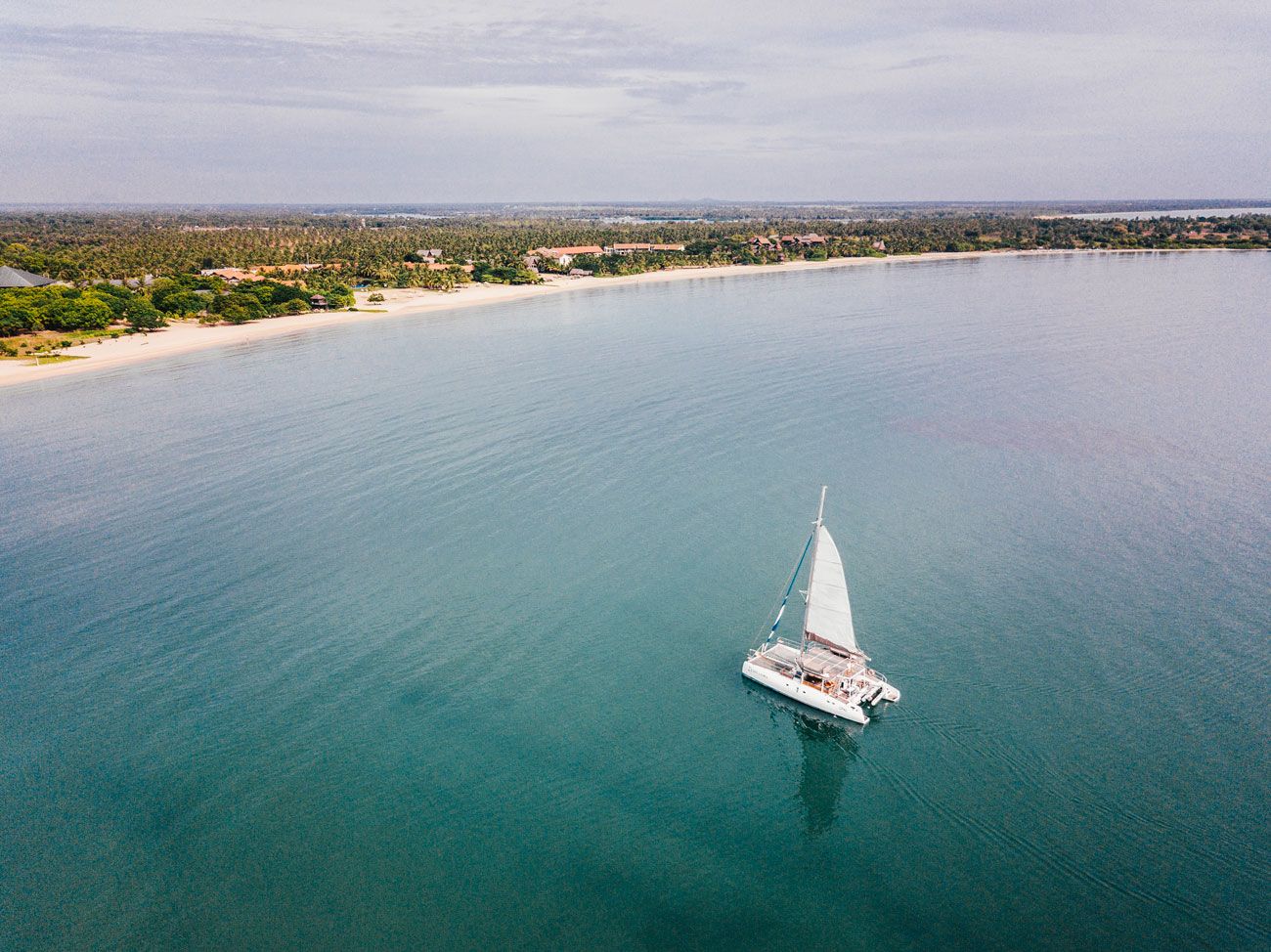
Slowly but surely, Sri Lanka is being recognised by the yachting world as a prime sailing destination. Its sheltered bays, diverse marine life and reliable seasonal winds provide the perfect conditions for both beginners and seasoned sailors, giving some wonderful opportunities to get on the water during every season. From whale watching at dawn to cruising alongside jungle-backed, sandy coves and sunset cocktails on the return, sailing in Sri Lanka is definitely having a moment.
Pasikuda and Kalkuda – East Coast Calm
Between May and October, Pasikuda and Kalkuda on the east coast see mirror-calm waters where you can sail across turquoise bays, passing mangrove forests, dense jungle, empty sugar-soft sandy beaches and tranquil coves inaccessible by road. Further out to sea, it’s the perfect time for spotting sperm whales, which are often seen while sailing along this coast.
South Coast – Ocean Breezes and Scenic Bays
November to April sees the peak season on the south coast of Sri Lanka and the sailing is at its best here in these months too. You’ll find that the waters here are calmer in the mornings, so you can dip in and out of the horseshoe shaped bays or head further out to deep water, maybe spotting dolphins and sea turtles, on the hunt for blue whales.
Best Season for Sailing
- East coast: May–October
- South coast: November–April
Where to Stay
The Bay an Uga Experience – Pasikuda
Nestled into the Pasikuda shoreline, a stay at The Bay gives you endless temptations to get onto the water. Customised sailing experiences with expert skippers can be arranged to suit any level of experience, whether you want to get involved in the sailing or simply sit back and enjoy the view.
Jet-Skiing in Sri Lanka
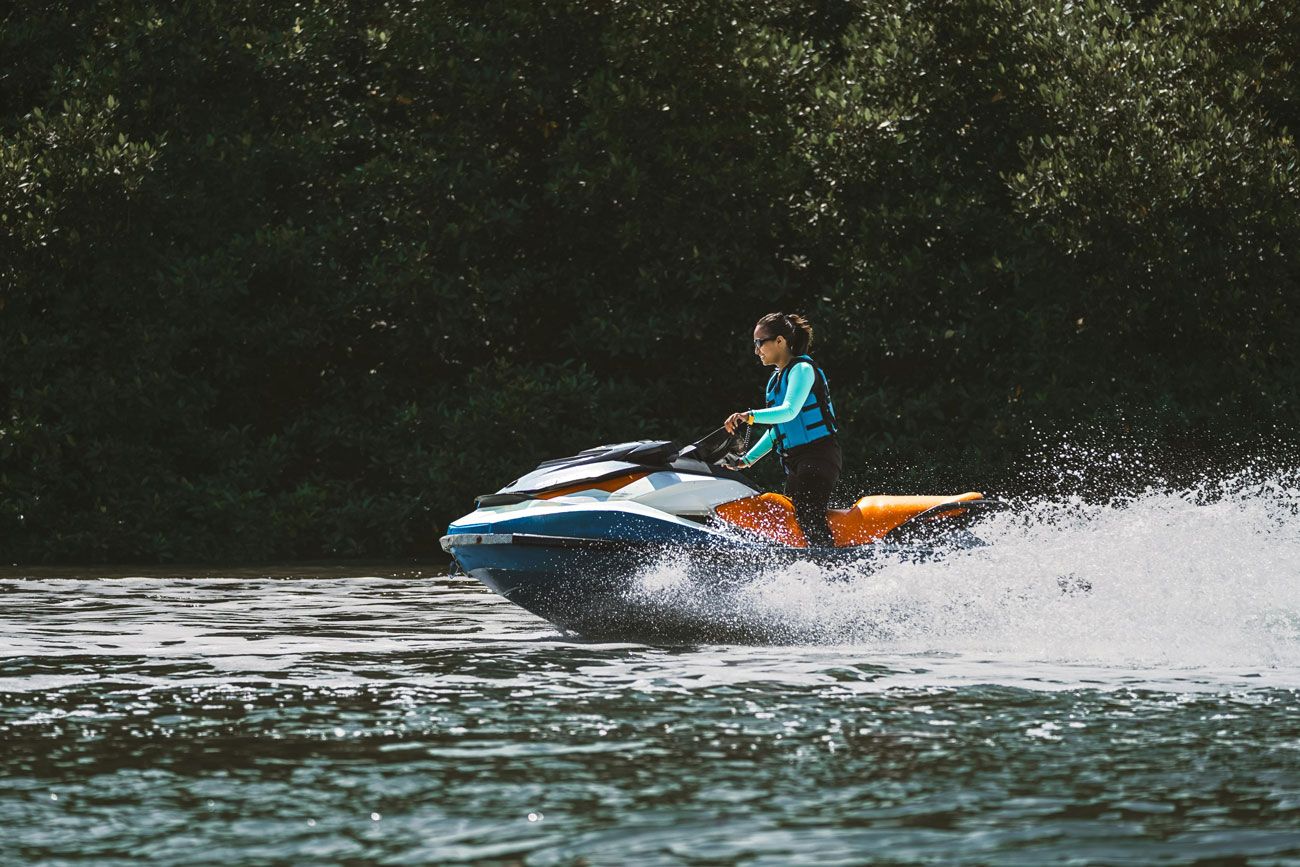
Whether you prefer warm, crystal clear waters and mirror-like calm conditions or the thrill of leaping bigger waves, jet-skiing in Sri Lanka is fast, fun and favoured across the island by thrill-seekers of every age and skill level.
Pasikuda – Calm Waters for Speed and Safety
Pasikudah boasts some of the calmest waters on the island during its peak season between May and October and, with its shallow sandy bay, it’s an ideal spot for learning the basic skills of jet-skiing or for practicing your turns and manoevres. Once you’re feeling confident, you can whizz along the coast, getting a unique viewpoint of this unspoilt region.
South Coast – For More Experienced Riders
Whilst the swells of the south coast make for a bumpier ride on a jet-ski, it’s a fantastic coastline to explore early in the morning before the winds get stronger. For more experienced riders, it allows for challenging conditions where you can perfect your control, from jumping larger waves to bouncing across currents.
Best Season for Jet-Skiing
- East coast (best for beginners): May – October
- South coast (best for proficient riders): November–April
Where to Stay
The Bay – Pasikuda
The Bay is a luxurious coastal resort in the heart of Pasikuda Bay, which offers the perfect start point for water sports. You can book professional jet-ski adventures here, where you can take advantage of the calm waters and learn the key riding skills to head off and explore the east coast.
Kayaking in Sri Lanka: Tranquil Waters, Wildlife & Slow Exploration
For something a little calmer, kayaking offers a more immersive, serene and intimate connection with Sri Lanka’s waters. Whether you’re paddling among coastal mangrove forests, experiencing dawn from the water on misty reservoirs or paddling across ancient tanks, you’ll have the chance to slow down the pace, soak up the waterside sights and see wildlife undisturbed.
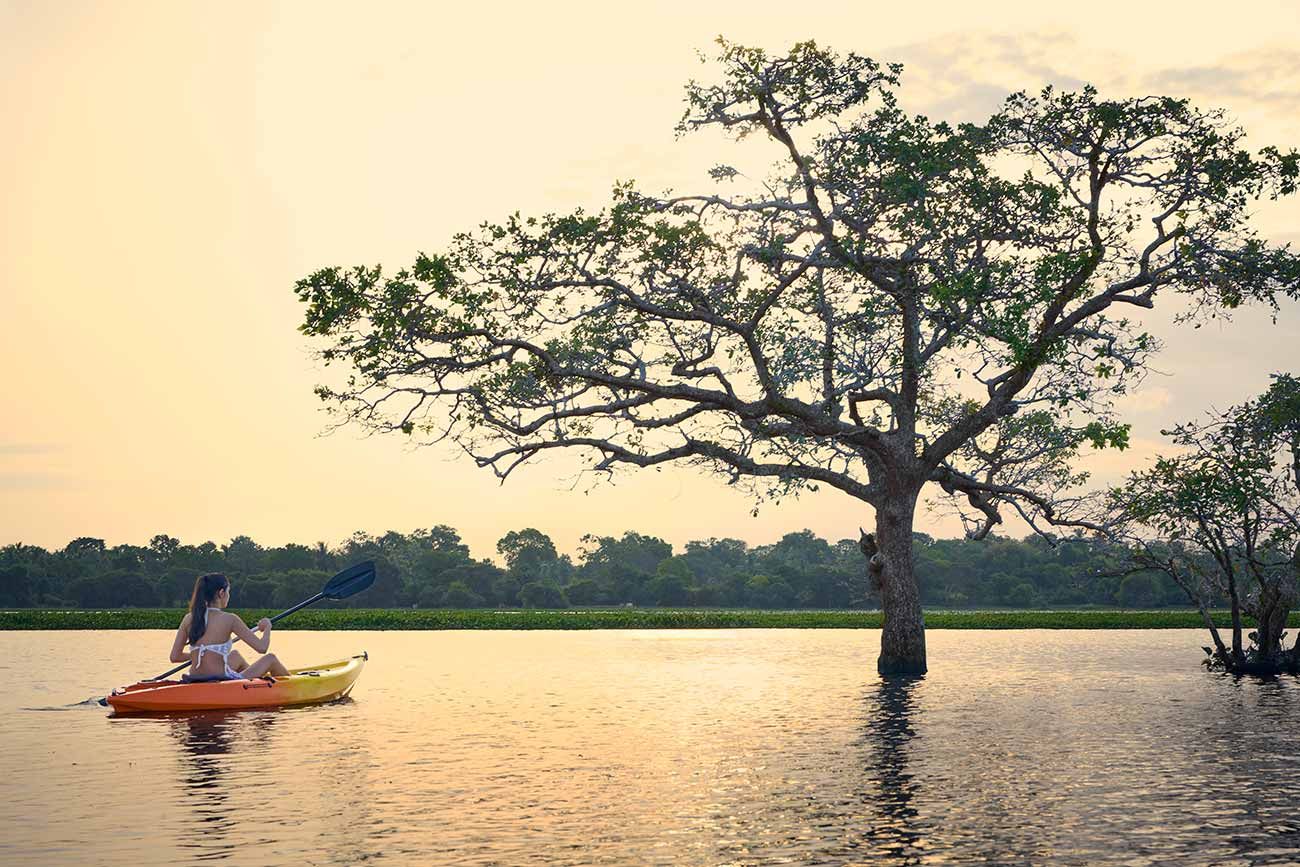
Rekawa Lagoon – Mangroves & Coastal Wildlife
Heading east from Tangalle along Sri Lanka’s southern coast, Rekawa Beach is prized for its quiet undeveloped shoreline and for being the nesting site of several species of endangered sea turtles. The beach sits on a 4-km (2.5-mile) sandbar crowned with palm trees and mangrove forests that drop down into the waters of Rekawa Lagoon on the other side. In sharp contrast to the pounding waves of the coast, the lagoon is placid and peaceful, and its interwoven mangroves form a valuable ecosystem. Kayaking here gives an immersive introduction to the coastal and wetland wildlife with herons, kingfishers, monitor lizards and even crocodiles quietly hunting along the banks.
Castlereagh Reservoir – Dawn on the Water
Sri Lanka’s hill country reservoirs hold an almost mystical allure at dawn, when the mountain mists hover above the water level. Heading out on a kayak at this time of day puts you in the centre of this sublime site and offers a fabulous opportunity to capture it with your camera. As the light and mist lift, the birds will serenade the start of the day and you’ll get the chance to see flycatchers and thrushes skimming the water before soaring off across the tea plantations.
Wanamaduwa Tank – Kayaking Through Ancient History
Dating back to the third century, Wanamaduwa Tank spans over 100 acres and is used daily by local fishermen. It’s a place of calm where the profound sense of history is matched by the serene beauty of water lillies and lotus flowers. Paddling across the tank enables you to understand the scale and prowess of this ancient engineering project, while also getting close to the water birds that populate its banks. You’ll find egrets and herons hunting along the banks while kingfishers and storks hide in the overhanging kumbuk trees.
Best Season for Kayaking
- South coast lagoons (Rekawa, Tangalle region): November–April
- Hill country reservoirs (Castlereagh): January–April
- Cultural Triangle reservoirs (Wanamaduwa Tank): May–September
Where to Stay
Uga Prāva – Tangalle
Based on the unspoilt coastline of Tangalle, a 30-minute drive from Rekawa Lagoon, Uga Prãva is a sophisticated coastal retreat that offers a morning or evening Rekawa kayaking trip, including transport, refreshments and safety equipment.
Uga Halloowella – Hatton
Overlooking the Castlereagh Reservoir and set in a former plantation bungalow, Uga Halloowella provides a front-row seat to one of Sri Lanka’s most scenic kayaking settings.
Uga Ulagalla – Cultural Triangle
Surrounded by ancient reservoirs and rural landscapes, Uga Ulagalla is ideally placed for kayaking on Wanamaduwa Tank. The experience blends gentle adventure with cultural immersion, allowing you to explore Sri Lanka’s historic heartland from a unique, water-level perspective.
Deep-Sea Fishing in Sri Lanka: What to expect, when to go and top locations
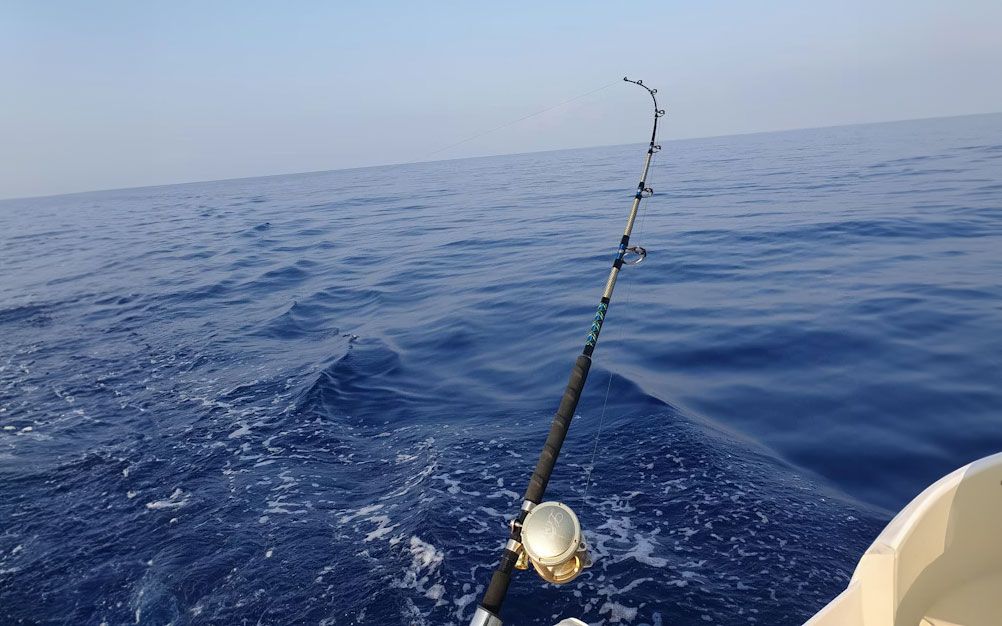
Sri Lanka’s offshore waters are rich with big-game species, making it an outstanding destination for deep-sea fishing. Head beyond the reefs and you’ll find tuna, barracuda, trevally, wahoo, sailfish and, in deeper channels, marlin.
Trincomalee – The Gateway to Deep Water
On the east coast, Trincomalee offers some of the most productive deep-sea fishing grounds in the country. Here, the continental shelf plunges sharply just offshore, creating nutrient-rich waters that attract huge schools of pelagic fish.
Morning is often the best time for calm seas and optimal activity. Fishing trips here with experienced skippers ensure that you’ll be navigating prime spots using traditional local knowledge and modern equipment.
Best Season for Deep-Sea Fishing
May–October: calm seas and peak pelagic activity along the east coast.
Jungle Beach an Uga Experience – Trincomalee
Tucked between coastal jungle and a quiet stretch of beach, Jungle Beach blends rustic seclusion with refined comfort. Its prime location on the island’s northeast coast places guests close to thriving marine habitats and rich offshore waters and is perfectly positioned for access to deep-sea channels. The resort arranges responsible, well-guided fishing expeditions tailored to your experience level.


 youtube
 instagram
 share
share