

A Guide to Sri Lanka’s UNESCO World Heritage Cultural Sites
Sri Lanka is a land where history, spirituality and artistry intertwine and nowhere is this more evident than in its UNESCO World Heritage cultural sites. Scattered across the island, these remarkable timeworn, jungle-clad landmarks tell the story of ancient kingdoms, sacred traditions and architectural brilliance that spans more than two millennia. From the majestic rock fortress of Sigiriya to the sacred city of Kandy and the serene Dambulla Cave Temple, each site offers a window into Sri Lanka’s rich cultural heritage.
In this guide, you’ll discover the country’s most awe-inspiring UNESCO World Heritage sites, their historical significance and why they deserve a place on your itinerary.
Sacred City of Anuradhapura
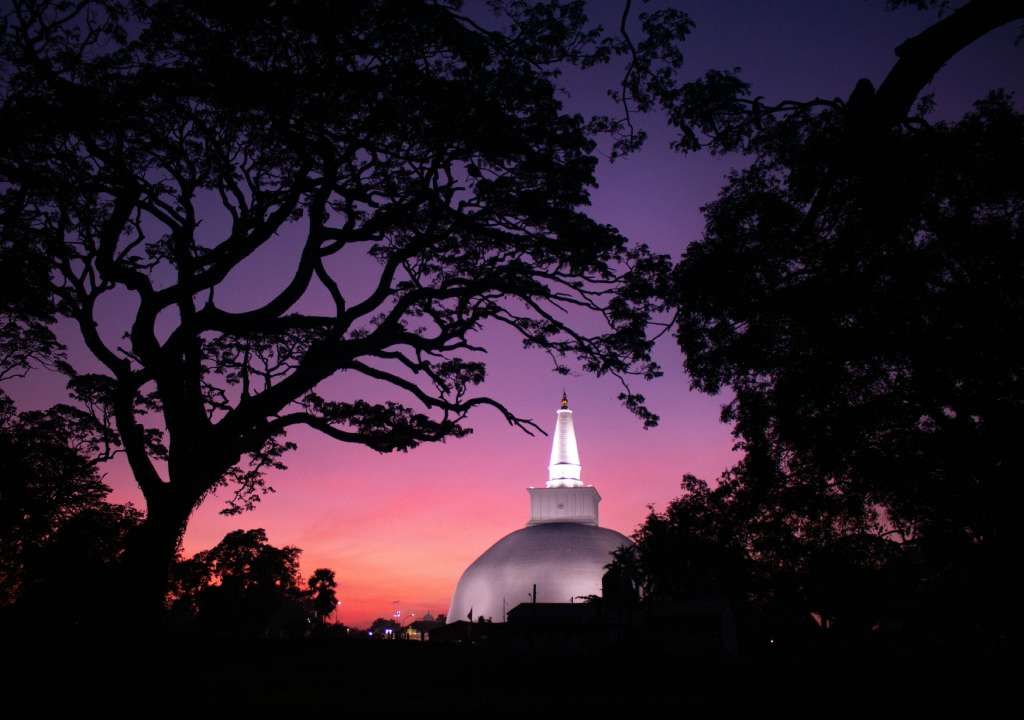
Once the beating heart of ancient Sri Lanka, Anuradhapura served as the island’s vast first capital from the 4th to 11th centuries and was a revered centre of Theravada Buddhism. Founded more than 2,000 years ago, it’s now one of the world’s largest archaeological sites with its sprawling complex of monasteries, monumental stupas and ancient bathing tanks remaining an enduring symbol of Sinhalese civilization. Towering dagobas like Ruwanwelisaya and Jetavanaramaya dominate the skyline, while the sacred Sri Maha Bodhi tree, grown from a cutting of the original Bo tree in India, continues to draw white-robed pilgrims from across the world. Wandering around Anuradhapura feels like stepping back into a bygone time of kings, monks and miracles.
Best way to explore Anduradhapura? By bicycle. Cycling is by far the most popular and peaceful way to travel around these ruins, which are spread across a large, flat area. From Uga Ulagalla, we can arrange a bicycle tour that includes transport to and from Anuradhapura (25km / 16 miles each way), bicycles to explore the site and a picnic snack to enjoy alongside Elephant Pond.
Uga tip: Start early in the morning or late afternoon to avoid the midday heat.
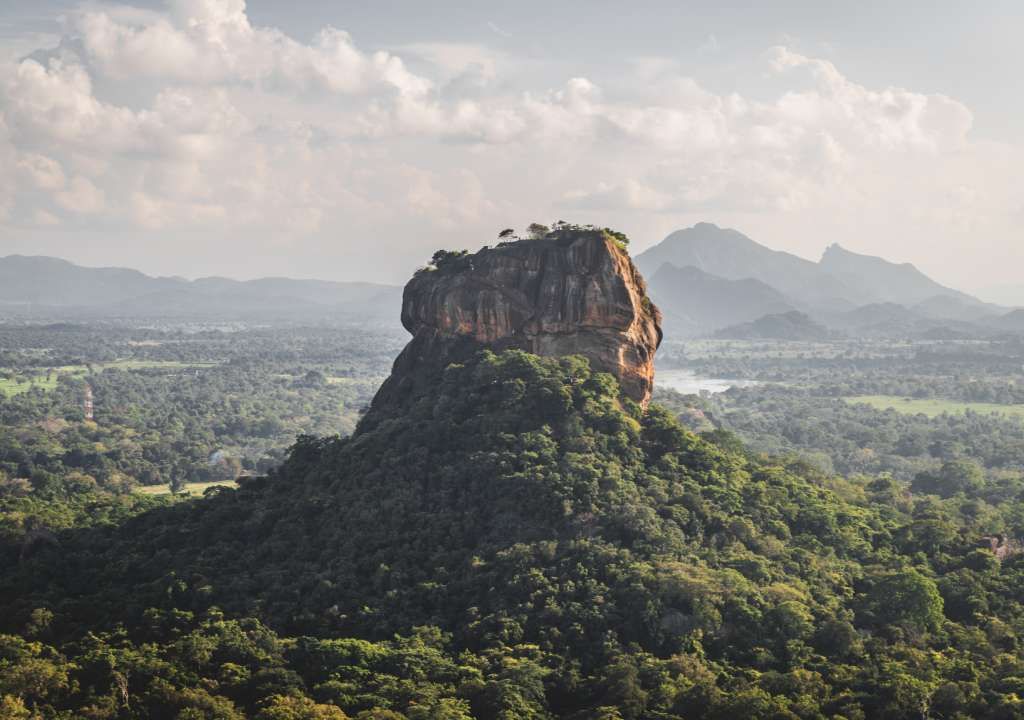
Rising dramatically from Sri Lanka’s central plains, the Sigiriya Rock Fortress is a masterpiece of ancient engineering and artistry. In the 5th century, King Kashyapa I transformed this towering monolith into a royal citadel encircled by moats, water gardens and ingenious hydraulic systems all hewn from the rockface itself. You’ll pass through monumental carved lion’s paws to reach the summit, passing venerable frescoes of celestial maidens and a polished “mirror wall” inscribed with centuries-old graffiti. At the top lie the remains of palaces, rock-carved staircases and chambers, weaving pathways and symmetrical terraces all boasting sweeping views across the jungle canopy to the far horizon.
Best way to explore Sigiriya? On foot. Visiting Sigiriya means climbing around 1,200 steps to the summit. The site is well maintained with rest stops and viewpoints along the way. If you’re staying with us at Uga Ulagalla, we can organise transport to Sigiriya and back (56km / 35 miles each way) together with a private guide and picnic.
Uga tip: Wear shoes and clothes suitable for hiking and visit early before 8.30am to beat the crowds and the heat.
The Ancient City of Polonnaruwa
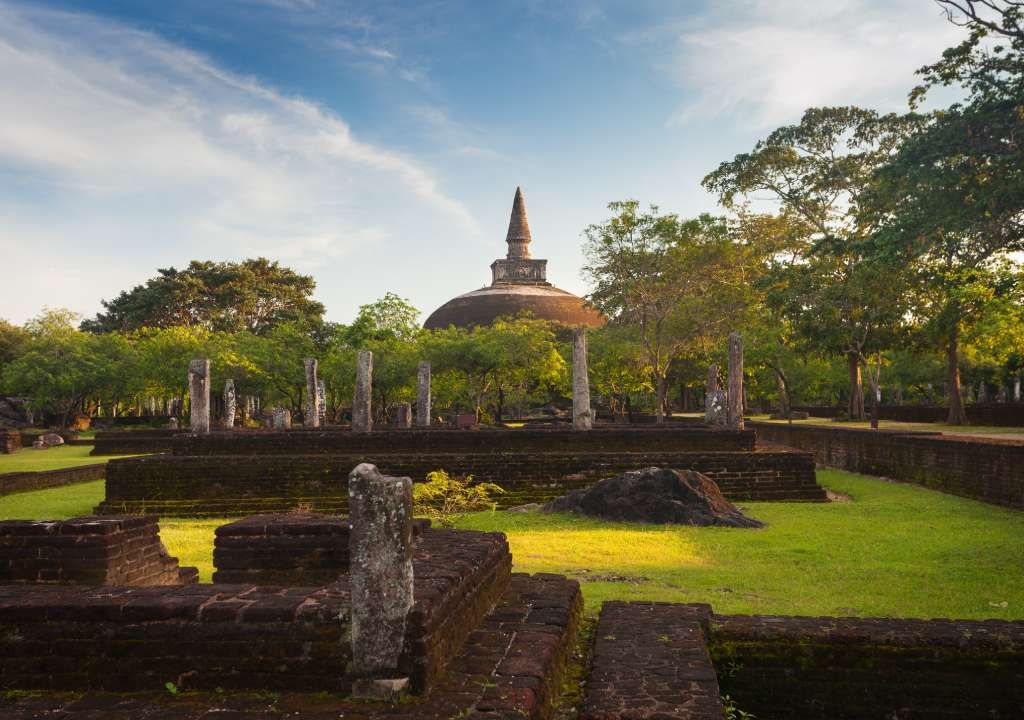
During the 11th and 12th centuries, Polonnaruwa flourished as the thriving second capital of ancient Sri Lanka, a vibrant hub of culture and power. Today, it stands as one of the island’s most beautifully preserved archaeological sites, surrounded by deep, encroaching jungle. Within its historic walls lie the remnants of grand multistorey palaces, exquisite stone-carved Buddha statues hailed as masterpieces of Sri Lankan artistry and remarkably intact circular relic shrines. Beyond these, towering stupas and an ingenious network of reservoirs and canals reveal the sophistication of classical engineering that’s still in use today for the area’s agricultural irrigation. Together, these ruins offer a fascinating glimpse into the ingenuity and elegance of a bygone civilisation.
Best way to explore Polonnaruwa? With a guide. Compact and accessible, Polonnaruwa is an ideal site for wandering with a guide, who can enrich your visit with stories that bring the site to life. Guests at Ula Ulagalla can join our daily guided tour that includes transport to and from Polonnaruwa (84km / 52 miles each way), a guide and picnic basket.
Uga tip: bring a hat and sunscreen to keep you protected from the hot sun as you explore.
The Golden Temple of Dambulla
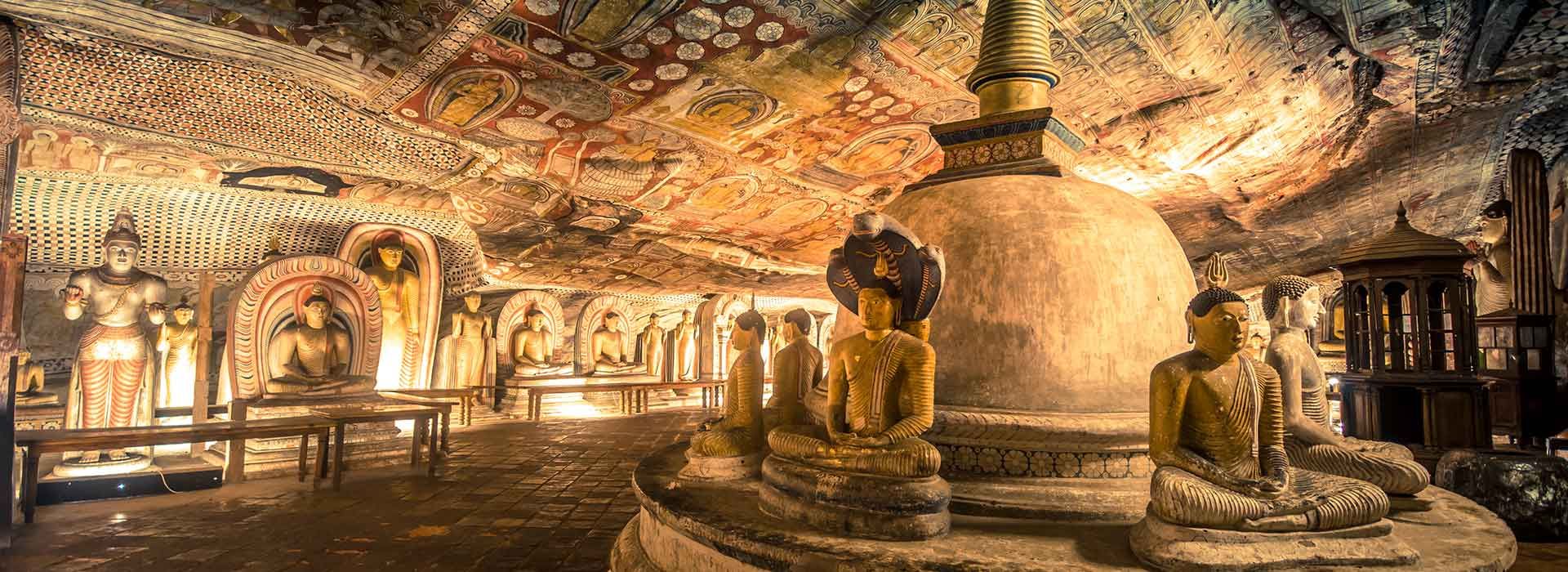
Perched high on a granite outcrop, the Dambulla Cave Temple is Sri Lanka’s largest and best-preserved cave temple complex. Reached by stone steps that wind through dense jungle echoing with monkey calls, its simple white façade hides five richly decorated caves filled with over 150 Buddha statues and vivid murals. Legend says that King Valagamba, exiled in the 1st century BC, found refuge here for 14 years and later transformed the caves into a sanctuary of devotion. Enhanced by a multitude of kings over the following two millennia, Dambulla’s golden glow, serene atmosphere and sweeping views make it a magnificent testament to Sri Lanka’s enduring spiritual heritage.
Best way to explore Dambulla Cave Temple? On foot. Reaching the cave network involves a steep, paved climb that takes about 15-20 minutes. It’s manageable for most visitors and you’re rewarded with stunning views along the way. If you’re staying at Ula Ulagalla, you can book a privately guided tour that includes transport to and from Dambulla (45km / 28 miles each way).
Uga tip: remove shoes and hats before entering the caves and bring socks to protect your feet from the hot stone paths.
The Old Town of Galle Fort
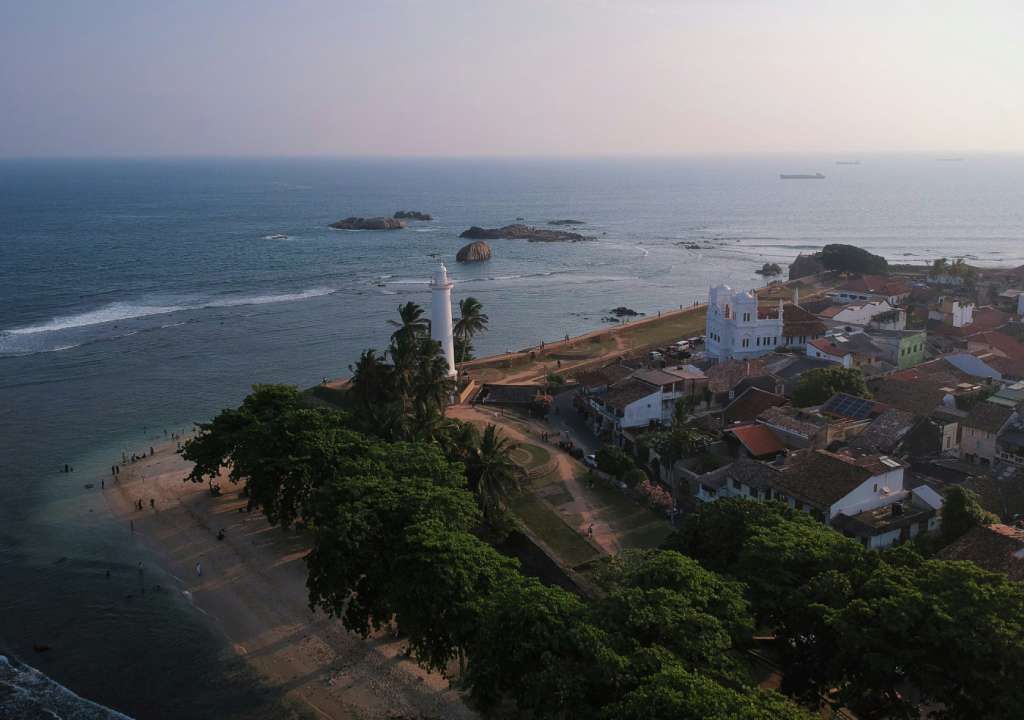
Encircled by enduring fortified ramparts overlooking the Indian Ocean, Galle Fort stands as a striking reminder of Sri Lanka’s colonial past. Originally built by the Portuguese in the 16th century and later expanded by the Dutch, this UNESCO-listed town combines European charm with South Asian vibrancy. Cobblestone streets wind past whitewashed churches, antique shops and pastel-hued villas, while the sound of crashing waves echoes against the old bastions. Whether you’re watching the sunset from the ramparts or meandering along its narrow lanes, Galle exudes a timeless coastal allure.
Best way to explore Galle? On foot. Galle Fort is compact, safe and perfect for walking. Its cobblestoned streets and coastal ramparts are best experienced at a slow pace.
Uga tip: wear cool clothing to explore and seek out the sea breeze and striking views at sunset from the fort walls.
The Sacred City of Kandy
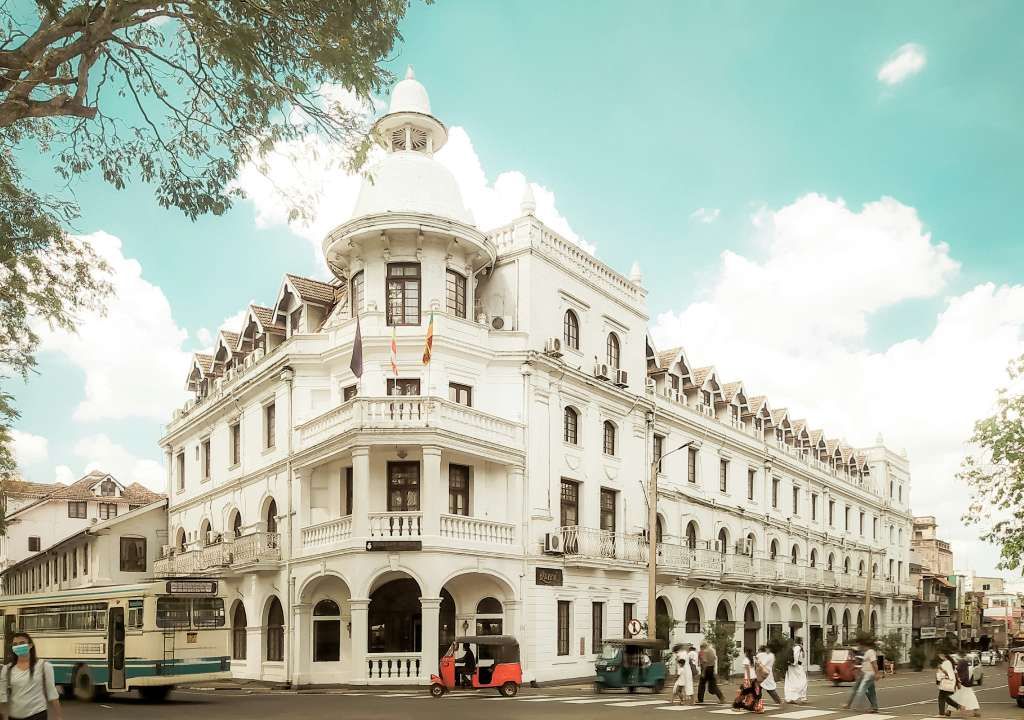
Nestled among misty hills, Kandy holds a special place in the hearts of Sri Lankans as the last royal capital and a vibrant centre of the Buddhist faith. Its most revered landmark, the Temple of the Sacred Tooth Relic (Sri Dalada Maligawa), houses a relic believed to be a tooth of the Buddha, making it one of Buddhism’s holiest sites. The city blends cultural richness with natural beauty, from the tranquil Kandy Lake to its ornate temples and colonial architecture. Each August, the city comes alive during the Esala Perahera, one of Asia’s largest religious festivals celebrating faith, music and tradition.
Best way to explore Kandy? On foot and by tuk-tuk: The city centre, including the Temple of the Tooth, is wonderfully walkable. For surrounding sites, like the Royal Botanical Gardens or viewpoints such as Arthur’s Seat, tuk-tuks are convenient and inexpensive.
Uga tip: Catch one of the daily Pooja rituals at the Temple of the Tooth’s Theva services, where drumming and dancing accompanies the heady scent of incense as the relic is made visible and offerings are made.
Practical Tips
- Best Time to visit Sri Lanka’s UNESCO World Heritage Sites:
- Anduradhapura & Polonnaruwa: May – September are the best months to visit these two ancient cities, offering dry, sunny weather ideal for sightseeing.
- Sigiriya & Dambulla: Visiting between January – April or June – August will ensure pleasant mornings, moderate heat and minimal rainfall, great for exploring these rock monuments and enjoying the far-reaching views.
- Galle: December – April is the dry season along Sri Lanka’s south and west coast, offering sunny skies, calm seas and perfect weather for exploring.
- Kandy: Exploring the hill country between January – April or July – September will allow you to benefit from the mild temperatures and fewer showers.
- What to Pack:
- Lightweight, breathable fabrics such as cotton or linen for hot, humid days.
- Modest attire for temples, where your shoulders and knees should be covered, along with a sarong or scarf to cover your head and avoid sun exposure.
- Comfortable walking shoes, sunhat and a light rain jacket.
- We also suggest bringing a camera, sunscreen, insect repellent and a reusable water bottle.
Where to Stay
Exploring Sri Lanka’s UNESCO World Heritage cultural sites is made all the more memorable by staying in boutique retreats that blend timeless charm, luxury and authenticity. Across the island, Uga Resorts properties offer distinctive sanctuaries perfectly placed for discovering the country’s most treasured landmarks, from the ancient cities of the Cultural Triangle to the coastal elegance of Galle and the misty hills of Kandy.
Uga Ulagalla, Anuradhapura– Ideally situated for exploring Sigiriya, Polonnaruwa, Dambulla and Anuradhapura, this restored ancestral mansion sits amid lush paddy fields and tranquil ponds. Private villas with plunge pools, cycling trails through rural villages and farm-to-table dining create a serene retreat that connects culture, nature and indulgence.
Uga Prāva, Tangalle – Set along the sun-drenched southern coast, Uga Prāva is a haven of barefoot luxury where golden sands meet refined coastal elegance. This boutique retreat blends contemporary design with Sri Lanka’s tropical charm, offering spacious suites that open directly onto the beach, private plunge pools and sweeping ocean views. Guests can unwind with holistic spa treatments, dine on freshly caught seafood or explore cultural treasures such as Galle Fort (1.5hrs by car).
Uga Halloowella, Hatton – Nestled in the misty Hill Country, this tranquil retreat overlooks emerald tea estates and rolling hills. Blending contemporary elegance with colonial charm, it offers infinity-edge pools, personalized excursions into Kandy and the Temple of the Tooth (3hrs by car), and immersive cultural experiences, from guided tea walks to sunrise picnics over mist-cloaked valleys.


 youtube
 instagram
 share
share