

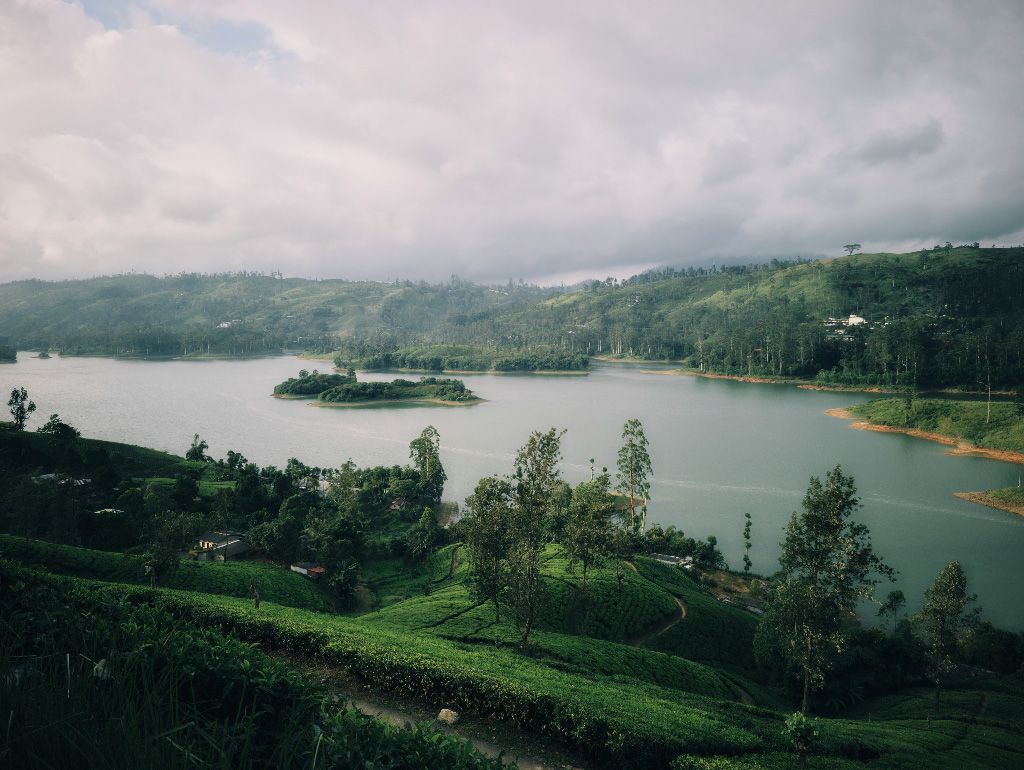
Sri Lanka’s Hill Country is one of the island’s most enchanting regions, a land of swirling mists, jungle-clad peaks, emerald tea plantations and spellbinding views. Where cool weather and remote wilderness accompany a deep spirituality and colonial-era charm.
It’s a region that’s captivating to explore, whether you’re riding the looping lines of the mountain railway, following the tea journey from leaf to cup, witnessing the spectacle of a religious ceremony or hiking along the remote mountain trails. We’ve put together some Hill Country highlights to help you plan your trip.
Scenic Train Journeys – Looping Lines & Valley Views
Train journeys through Sri Lanka’s Hill Country are among the most scenic in the world. They snake slowly through plantation-clad hills, passing tumbling waterfalls and crossing dramatic bridges while hugging the steep sides of jungle-clad mountain valleys.
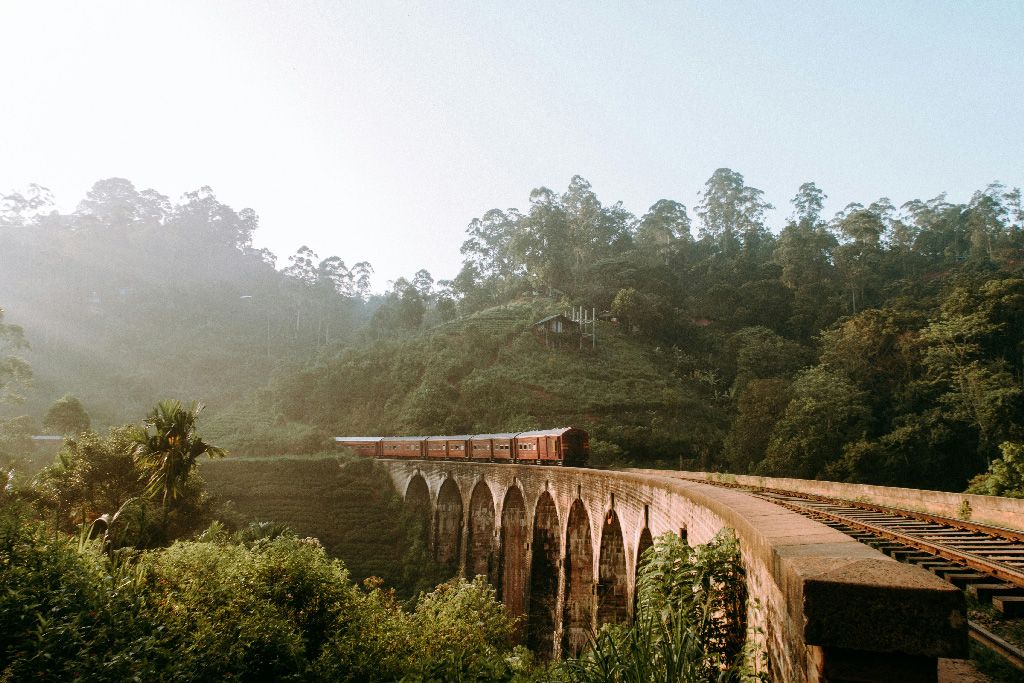
The most famous route is the full 6–7-hour journey from Kandy to Ella but the shorter Haputale to Ella section will give you a taster of the dramatic mountain scenery and includes the distinctive Nine Arches Bridge.
Whichever segment you opt for, it’s an authentic cultural experience where you can lean out of the open windows or doors and mingle with the locals on board — school children in crisp uniforms, farmers carrying chickens, pilgrims, tea estate workers and vendors selling spicy snacks and fresh fruit.
Tea Plantation Visits – Ceylon Tea & Colonial Architecture
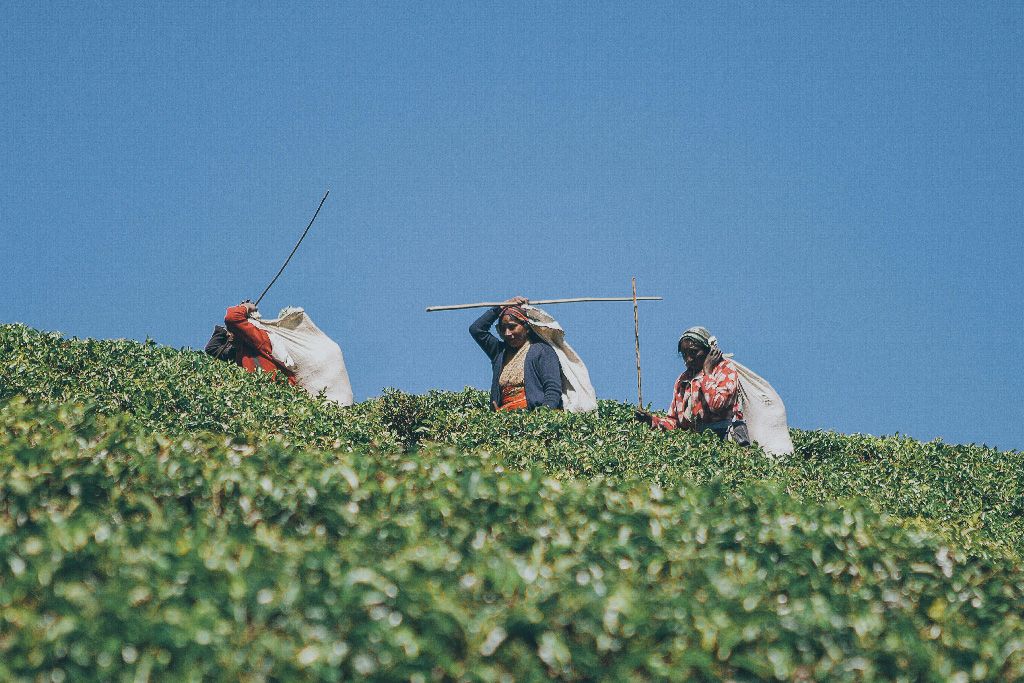
Sri Lanka is an island synonymous with tea production. Ceylon tea is globally prized for its bright, bold flavour and a visit to the tea plantations in Sri Lanka’s Hill Country will immerse you in the craft behind each cup.
Far up in the crisp cool mountain air, and best viewed from Sir Thomas Lipton’s historic Lipton’s Seat, you’ll find neat lines of emerald tea bushes carpet the hillsides, punctuated by colonial-era plantation bungalows. The vibrant saris of the tea pickers sprinkle the verdant plantations with colour as they work along the rows, their nimble fingers plucking the top two leaves and bud from every bush, filling the large sacks on their backs.
Walking or cycling through the estates, tasting the delicate differences in variety and visiting the factories can offer an immersive insight into the storied tea culture. While combining famed historical estates such as Pedro Tea Estate in Nuwara Eliya with small community plantations in Haputale and Bandarawela gives a glimpse into the sustainable initiatives of this historic industry.
Hatton – Epic Hikes & Prolific Habitats
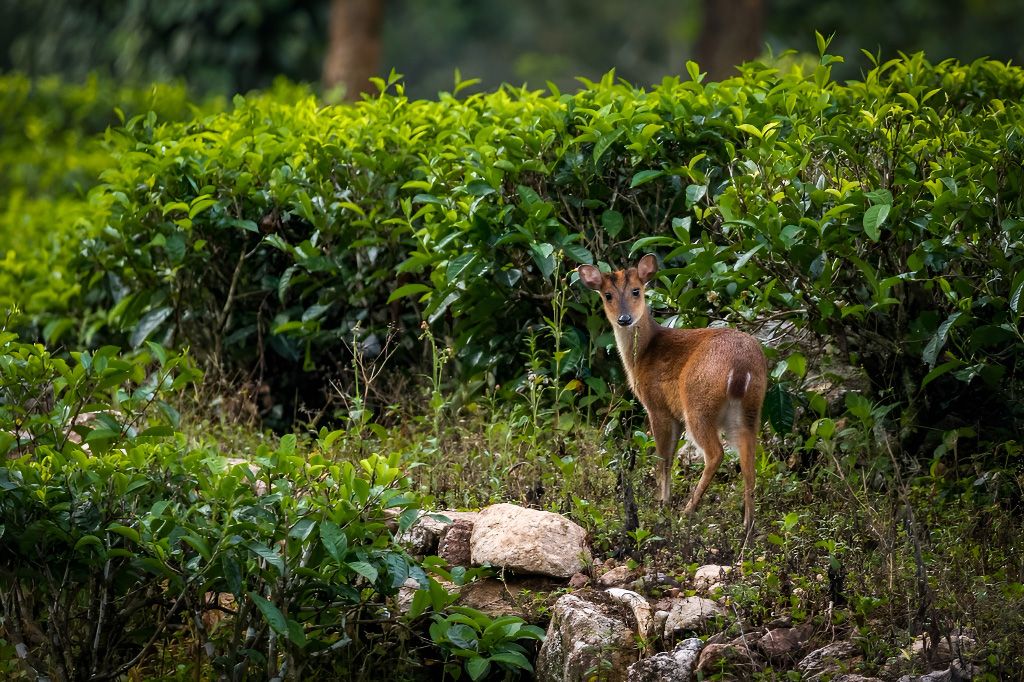
Often called the ‘tea capital’ of Sri Lanka, Hatton is a vibrant hub for the major tea estate tours but it’s also an enticing base for hiking and tracking the abundant wildlife in these verdant hills. Montane and cloud forest interweave among the tea plantations, where corridors of jungle have been retained to encourage the movement of wildlife populations. Winding through these ecosystems, you’ll find mountain steams tumbling into tranquil lakes and reservoirs.
The diversity of these habitats supports numerous species, from the elusive leopard and fishing cat to barking deer, black-naped hare, wild boar, porcupine and mongoose. Over 100 species of birds also call these hills home, while snakes and lizards abound. You can take a habitat hike here to explore this biodiversity in the company of a naturalist or head out yourself along a section of the long-distance Pekoe Trail.
Adam’s Peak – Sacred Summits & Sunrise Views
A cone-shaped mountain that rises out of dense jungle and pierces the skies surrounding Hatton, Adam’s Peak (also known as Sri Pada) is one of Asia’s most important multi-faith pilgrimage sites. Buddhists believe that the giant stone footprint at the summit is that of Buddha, Hindus consider it the footprint of Lord Shiva and both Muslims and Christians associate it with Adam, who allegedly set foot there after being cast out of Eden.
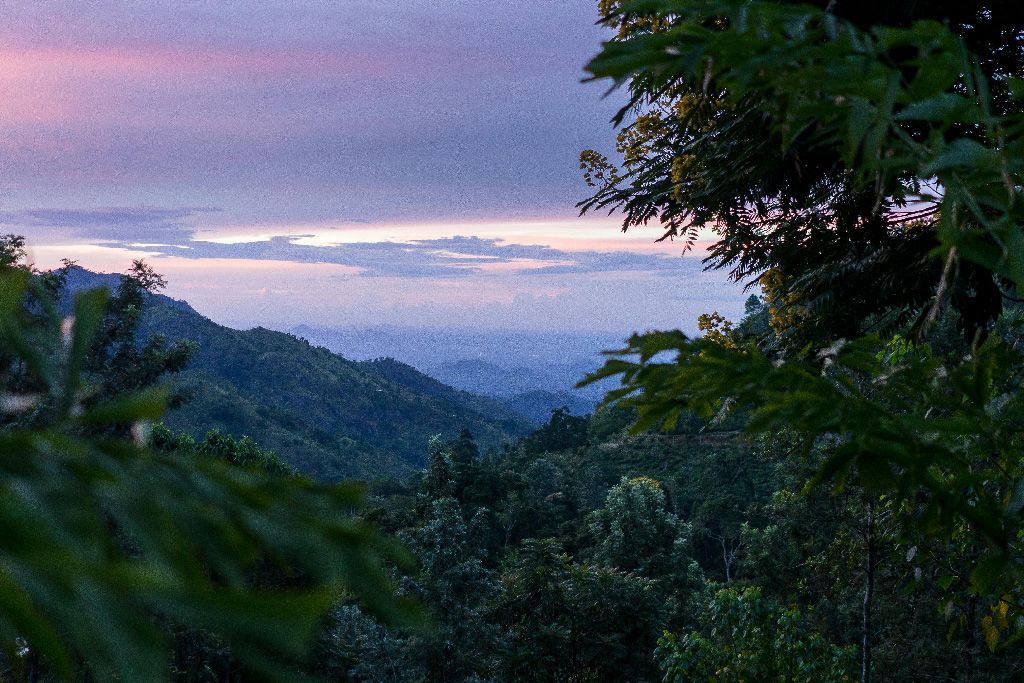
Whether you’re joining the pilgrims for religious or merely adventurous reasons, the 14km (9-mile) climb of over 5,500 steps to the 2,243 m (7,359 ft) summit is one imbued with a profound spiritual resonance.
Most climbs begin at 2-3am, timed to reach the summit for sunrise, where the shadow of the peak hangs over the ethereal golden light of the valleys below. The trail is lit with lanterns, peppered with tea stalls and peopled with throngs of pilgrims, giving the climb and the summit experience a timeless, meaningful atmosphere.
Horton Plains National Park – High Plateau & Vertiginous Drops
Hortons Plains is a high-altitude plateau lying at over 2,000m (6,500 ft) above sea level. Flanked by two of Sri Lanka’s highest mountains, the plateau is a captivating landscape of undulating grasslands, cloud forests and rocky outcrops. Once a royal hunting ground, it’s now a popular hiking base offering a taste or the wild remoteness within these windswept hills.
A 9km (5.5-mile) circular trail leads you through golden grasslands and thick forest, passing cascading waterfalls and serene lakes. Mid way you’ll pass the park’s most famous viewpoint, World’s End — a sheer cliff with a dramatic vista stretching, on a clear day, out to the Indian Ocean over 80 km (50 miles) away.
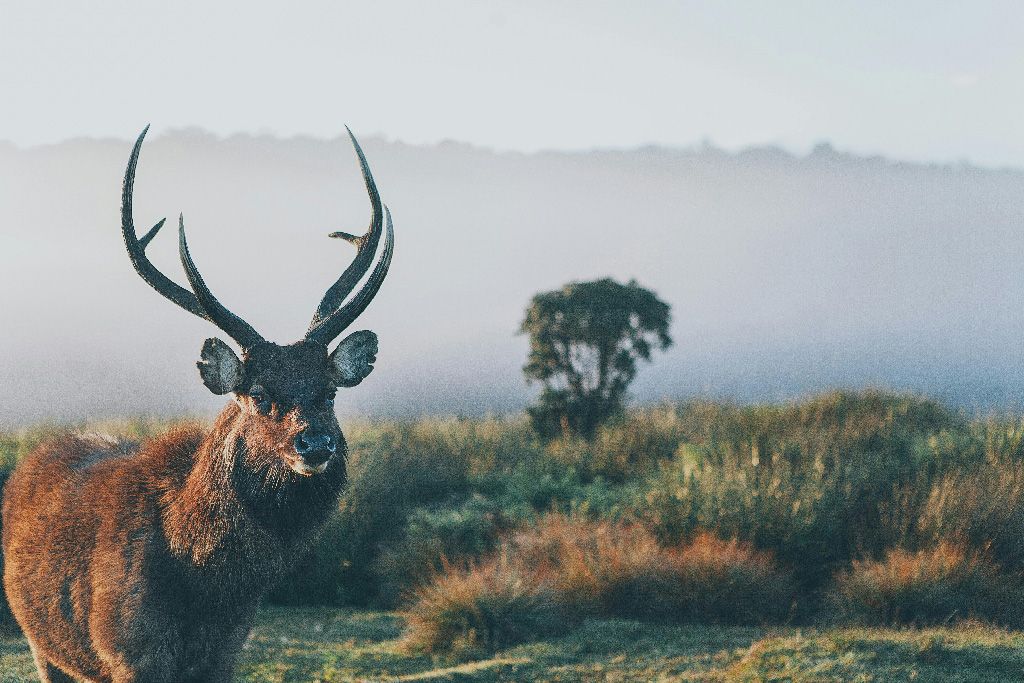
The biodiversity of the park’s unique ecosystem is a major draw and whilst the leopards and wild cats that live here may be frustratingly elusive, you may have the chance to see sambar deer, langur, wild boar and otters alongside the over 20 endemic species of birds.
Kandy’s Cultural Heritage – Spiritual Relics & Sinhalese Craftsmanship
Set deep in Sri Lanka’s Hill Country, Kandy is the island’s cultural heart and a UNESCO World Heritage city. The last stronghold of the Sinhalese kings, it’s the country’s former capital and boasts a heritage of profound spirituality, history and artistry.
You can experience the regal heritage here by wandering the Royal Palace and the Royal Botanic Gardens, once reserved solely for royalty; revel in the artistry by browsing the craft workshops, where centuries-old artisanal traditions thrive, or immerse yourself in the rituals of a Kandyan dance performance with its elaborate costumes and acrobatic displays.
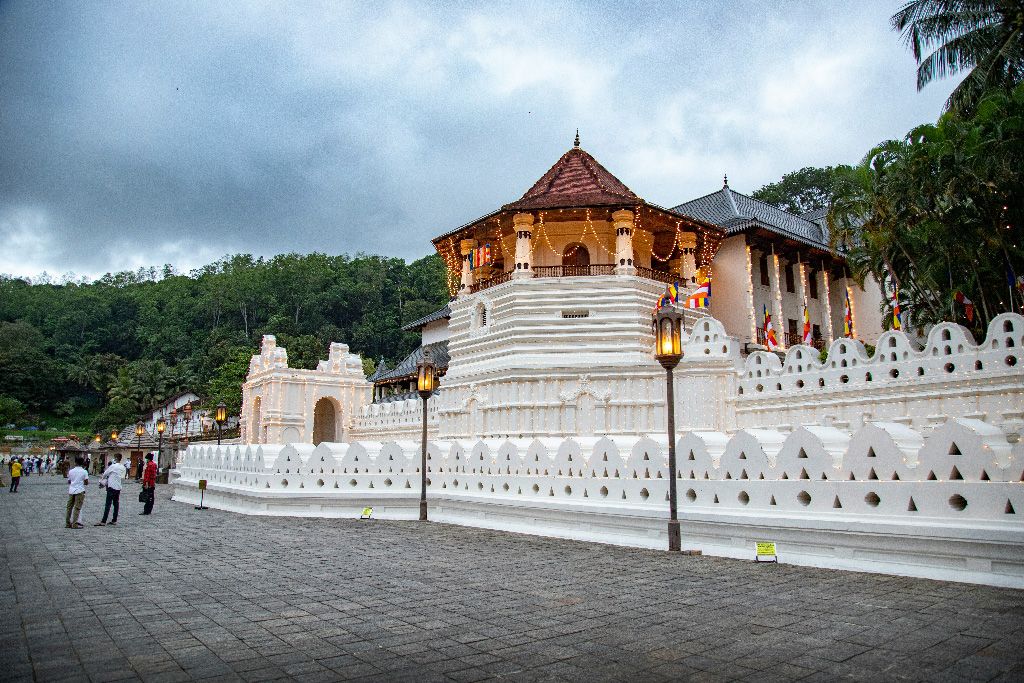
Kandy’s most notable site is the gold-roofed Temple of the Tooth, which hosts a relic believed to be Buddha’s tooth, brought to the island in the 4th century. Daily pooja rituals of drumming and incense celebrate this holiest of Buddhist sites while every July and August the city plays host to one of Asia’s grandest religious processions, the Esala Perahera Festival, showcasing lavish costumes, traditional drummers and fire dancers.
Ella’s Panoramic Trails – Waterfall Walks & Wild Swims
Ella is a vibrant and cosmopolitan hilltop town, boasting a laid-back, artisanal atmosphere. Its setting, surrounded by tea estates, paddy fields and mist-cloaked mountains, make it an enticing hub for hiking.
One of the most frequented trails is the climb up Little Adam’s Peak, a high ridge with far-reaching views along what’s known as Ella Gap, reaching between mountains and out to the southern coast. For a less populated path, the half-day challenging hike up to Ella Rock offers an equally dramatic clifftop view following a path that takes you deep into the jungle, crossing tea fields and rock-strewn hillsides.
Ella is surrounded by a network of waterfalls and at many of them you can punctuating your hike with a refreshing wild swim. Diyaluma Falls is the second highest waterfall in Sri Lanka, a walk here offers the chance to soak in the multitude of naturally terraced infinity pools formed at the towering edge of the lower falls.
Practical Tips
- Best Time to Visit Sri Lanka’s Hill Country:
- January – April: Clear, sunny days with cool, crisp nights.
- oMay – September: A wetter and quieter alternative but often sunny in southern hill towns.
- What to Pack:
- Layers, rain gear, sturdy boots, daypack, sun protection, hat, water bottle and binoculars. Insect repellent is advisable for forested trails and trekking poles may be useful for longer hikes.
- Getting Around:
- The hill train connects the key towns of the Hill Country, running all the way from Kandy to Badulla. Private drivers or taxis are ideal for flexibility, while walking and hiking bring you closest to the region’s highlights.
Where to Stay
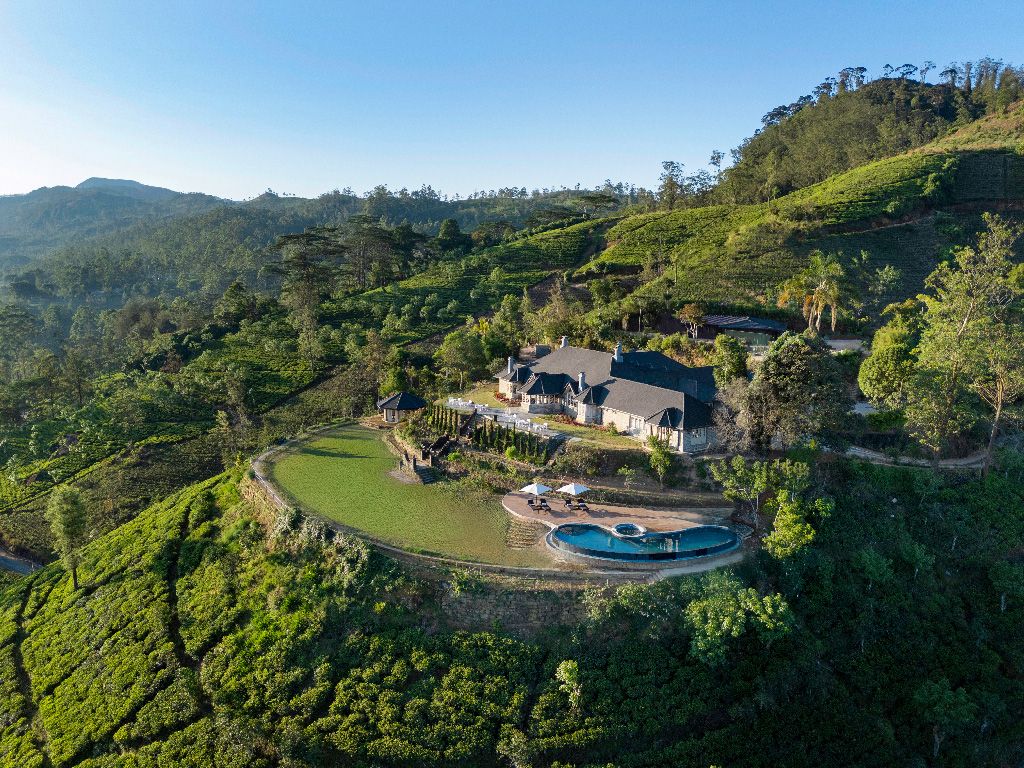
The Hill Country in Sri Lanka offers a range of accommodation, from charming colonial-era bungalows to luxury boutique resorts perched on tea estates. Nights spent here see you surrounded by the silent majesty of the mountains, gazing down into mist-shrouded valleys and taking in the graceful architecture scattered across the Hill Country, all while immersing yourself in the genuine warmth of Sri Lankan hospitality.
- Uga Halloowella, Hatton – A boutique retreat set amidst sweeping tea estates, offering elegantly designed suites, infinity pools with panoramic valley views and curated experiences including guided wildlife hikes, private tea estate tours and sunrise picnics over the misty highlands.


 youtube
 instagram
 share
share