

Sri Lankan Breakfast Culture: A Food Lover’s Guide
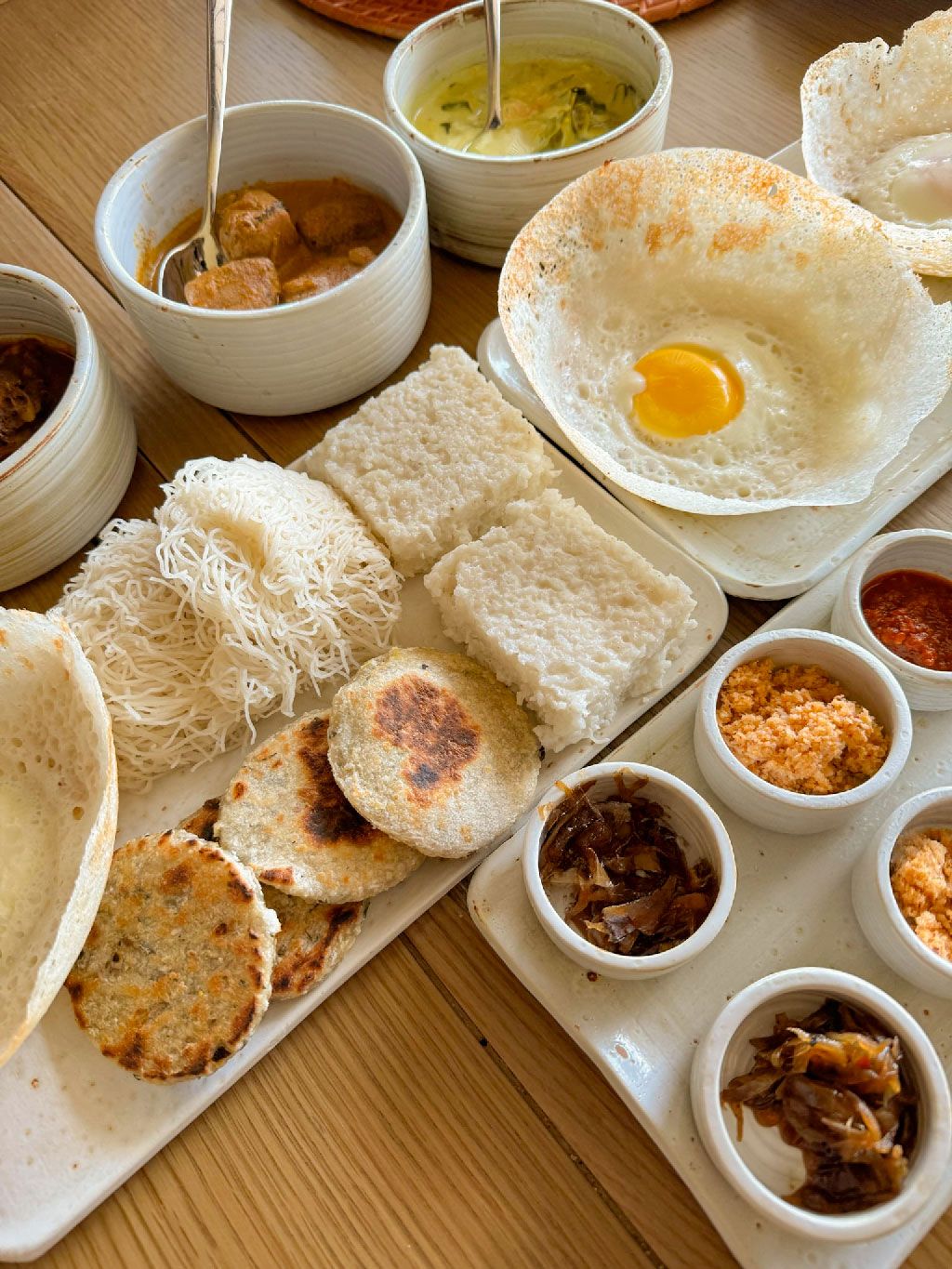
Breakfast starts early in Sri Lanka, and across the island, from the hill country to the southern coast, you’ll wake to the sounds of sizzling griddles, steaming pots and the distinctly citrus top notes of Ceylon tea. The food on offer reflects the island’s tropical climate but it also resonates with the diversity of the communities here and the deep-rooted traditions around food.
Sri Lankan breakfasts symbolise balance, mixing age-old recipes with regional creativity, spiciness with sweetness and creaminess with crunch. While locals see breakfast as a time of togetherness before the day starts, for travellers to the island it offers an authentic insight into the delicious cuisine.
In this guide, we are exploring the flavours, influences and rituals that make Sri Lankan breakfast culture one of the most distinctive in the world.
Breakfast in Every Sri Lankan Home
Breakfast in Sri Lanka is not a simple grab-and-run affair, it’s a time for families to start their day by eating together. It’s traditional to start cooking at dawn, when you’ll find the scent of coconut milk, curry leaves and toasted spices wafting through communities across the island as the sun begins to rise. Breakfasts are large spreads, with multiple dishes shared between the extended family. Typically, you’ll find spicy coconut relish, known as sambol, served with creamy curries and crispy hoppers.
At the weekend, and to celebrate special occasions, the crowd around the breakfast table grows and it becomes a lively gathering of laughter and conversation. Generosity and hospitality are deeply rooted in Sri Lankan culture and sharing breakfast, or even a pot of tea, is believed to strengthen community bonds, often resulting in visitors to the island finding themselves thrust into the authentic heart of a family breakfast.
The Traditional Breakfast Dishes
 Egg Hoppers
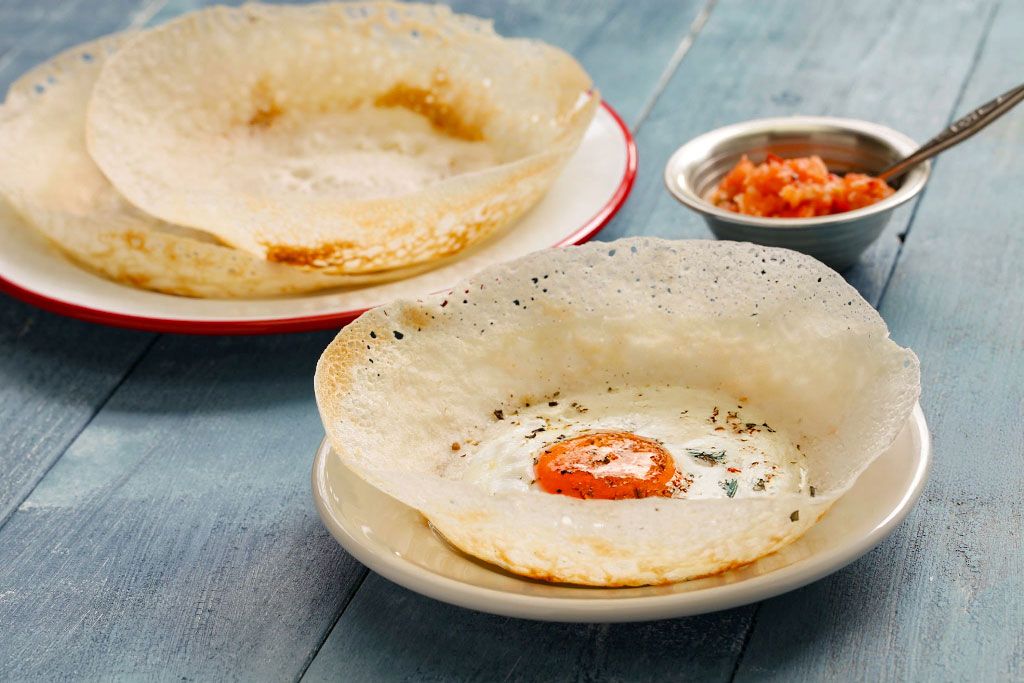
The key to a Sri Lankan breakfast lies in its variety and at every Uga hotel, we reflect this broad choice with a menu that echoes the traditional breakfast dishes of the surrounding region. No breakfast on the island would be complete without hoppers (aappa), thin, bowl-shaped pancakes made from fermented rice flour and coconut milk, which are usually enjoyed plain or with an egg cracked into the centre to create egg hoppers.
 Pol Roti
String hoppers (indhi aappa) are a delicate, steamed alternative which you’ll usually find offered alongside fragrant curries and accompanied by fiery condiments such as the fresh and tangy lunu miris or the crunchy spice of pol sambol. And finally, there’s the textural element, usually provided by pol roti, which is a rustic coconut flatbread, or tubular-shaped rice rolls called pittu, made from steamed rice flour and coconut. Coconut-rich flavours are the basis of many Sri Lankan dishes, combined with a subtle balance between spice and sweetness.
Regional Produce and Cultural Influences
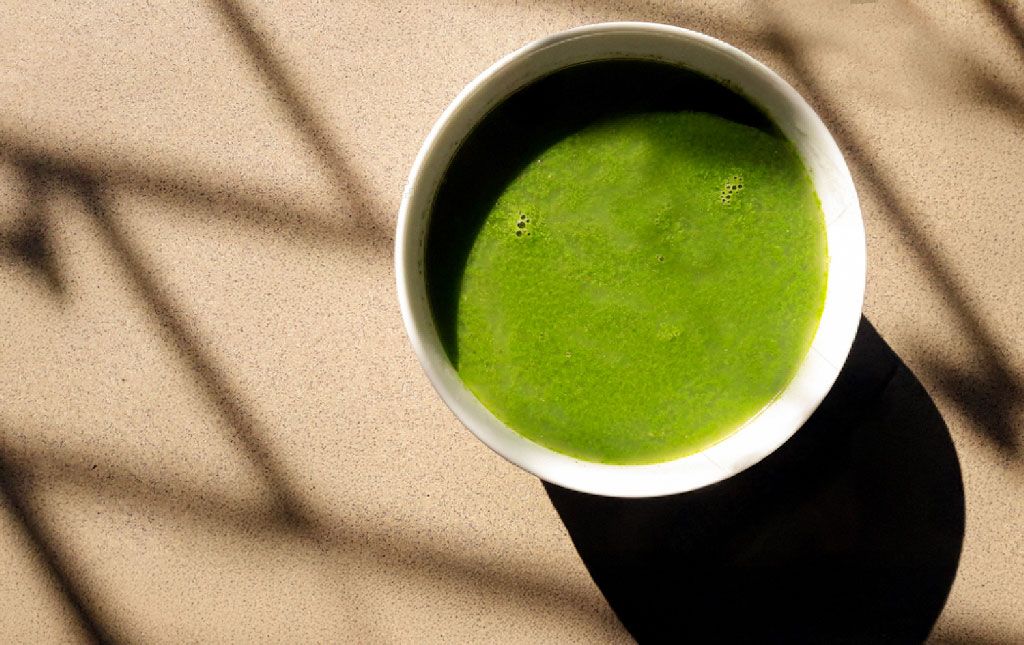
As an island, Sri Lankan culture has been hugely enriched by centuries of trade and migration, and these influences have also had a huge impact on the island’s cuisine. In the highlands, you’ll feel the greatest influence from South India with dishes like gundu dosa, a crispy rice and lentil pancake, often served with a coconut chutney. Roast paan, a crusty bakery bread from the colonial era, remains a beloved companion to curry or butter and jam. While the region’s Buddhist monastic traditions are reflected in kola kanda, a wonderfully nourishing herbal porridge. It’s one of our favourite dishes on the Uga Halloowella breakfast menu.
 Kola Kanda
It’s not just the cultural influences that shape breakfasts here; local, seasonal ingredients form the basis for much of the selection and, with tropical fruit being plentiful across the island, star fruit, guava, pineapple, mango and watermelon will always be found on the breakfast table alongside seasonal supplies of cashew apples, durians and jackfruit.
Special Events and Ceremonies: The Importance of Kiribath
No dish embodies Sri Lankan tradition more deeply than kiribath or milk rice. Made by cooking rice in thick coconut milk until it becomes creamy and firm, the resultant kiribath is then cut into diamond shapes and served for breakfast on special occasions like Sinhala and Tamil New Year, birthdays and weddings.
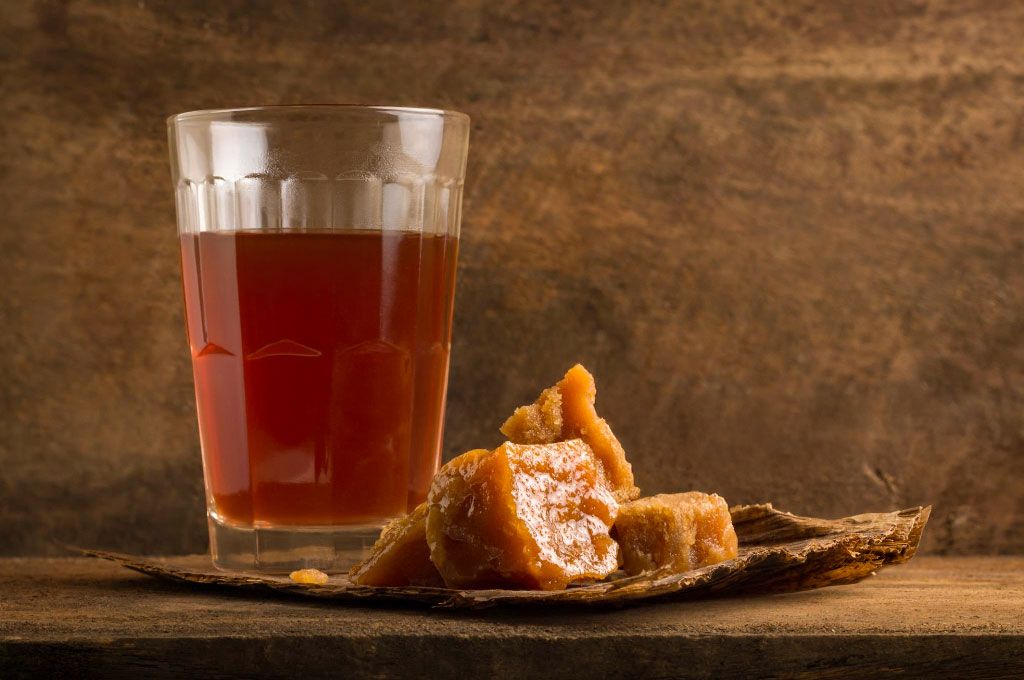
Said to represent new beginnings, unity and wealth, Kiribath is a much treasured and adored dish among Sri Lankan families who see serving it as part of the ritual of celebration. It’s often accompanied by spicy lunu miris or sweet jaggery and you can try it yourself with breakfast overlooking the ocean at Uga Prāva.


 youtube
 instagram
 share
share