

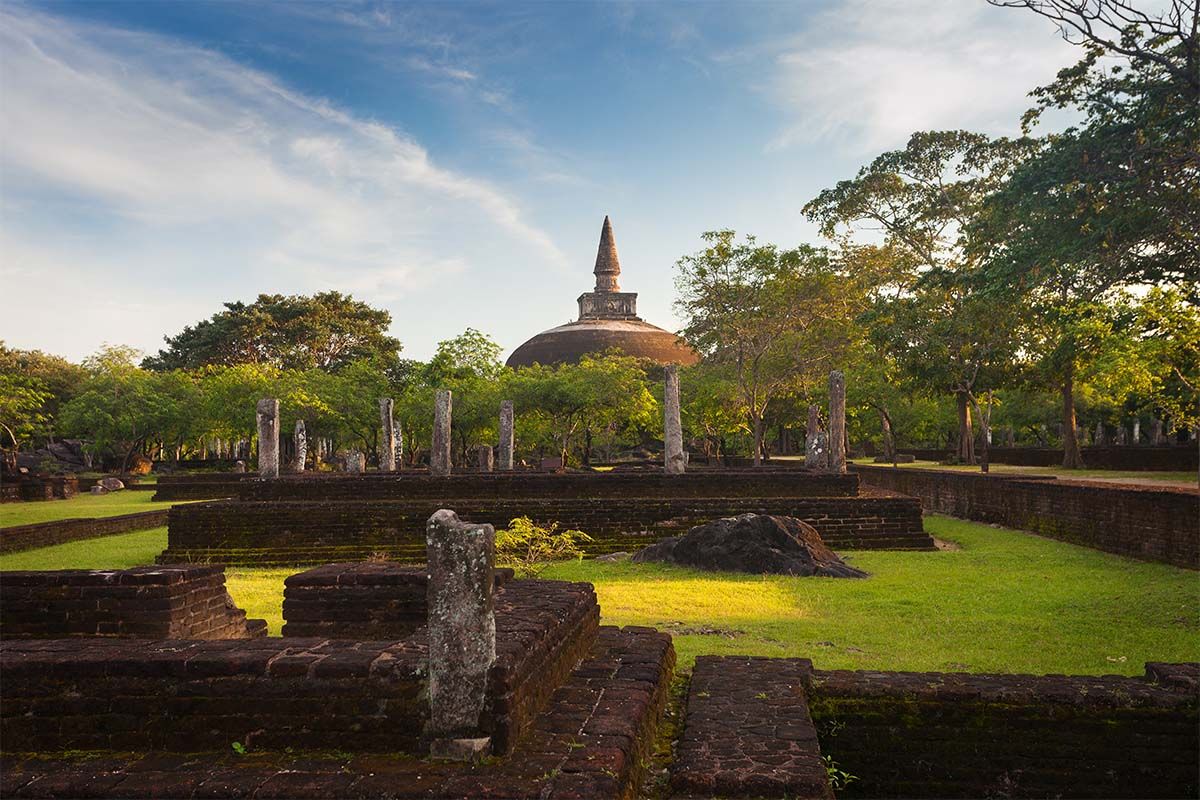
A vast and impressive site of jungle-entwined architecture, Anuradhapura is one of the most enticing and ancient of the Cultural Triangle sites. It was the island’s first capital city, founded in the 4th century BCE by King Pandukabhaya, and for over 1,300 years was the centre of the Sinhalese civilisation. Its palaces, monasteries, stupas and bathing pools were among the most magnificent found anyway in the world and the city’s pioneering irrigation system, which filled the surrounding reservoirs and rice paddies, still functions today.
Not simply a secular hub, Anuradhapura is also revered as one of the most sacred sites in the Buddhist world. In the 3rd century BCE, a cutting from the Bodhi Tree in Bodh Gaya, where the Buddha is said to have gained enlightenment, was planted in the city, firmly establishing it as a central point of pilgrimage, prayer and learning. Today, you’ll still see barefooted pilgrims in white gowns quietly chanting and meditating at its base.
Now a protected UNESCO World Heritage Site, Anuradhapura is celebrated globally as one of the most important religious and archaeological sites in Asia.
Sacred and Cultural Sites of Anuradhapura
Anuradhapura spans a huge area of over 40 square kilometres, widely acknowledged as one of the largest archaeological sites in the world, but its sacred sites were not designed to sit in isolation, together they formed a carefully designed spiritual city.
While the distances between the key sites are large, exploring by bicycle or tuk-tuk will enable you to travel easily across much of the ancient city. Below we have highlighted the most important sites to visit that we feel will give you the best understanding of its rich history.
The Sri Maha Bodhi Tree
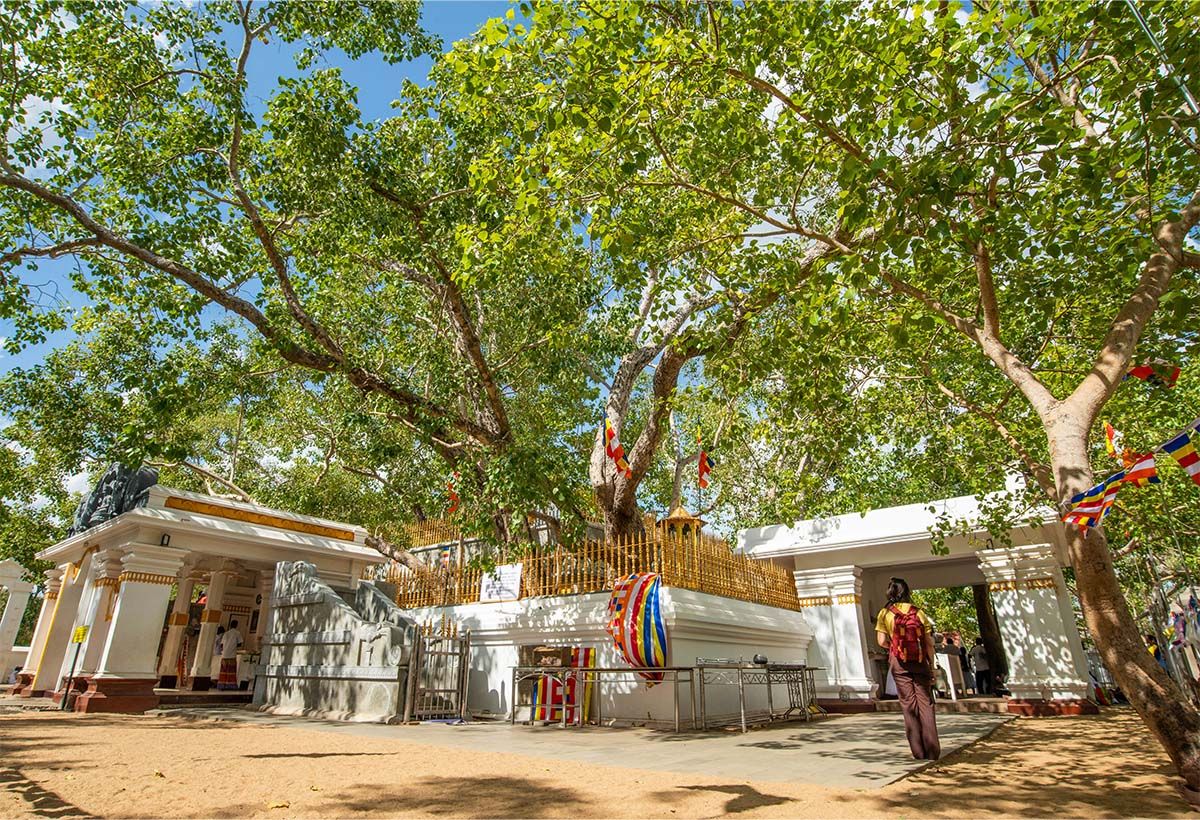
Forming the spiritual core of Anuradhapura, the Sri Maha Bodhi Tree is the oldest, documented living tree in the world. Brought to Sri Lanka in the 3rd century by the Buddhist princess Sanghamitta Theri, daughter of Indian Emperor Ashoka, it was planted at the site in 288 BC by King Devanampita Tissa and has been a venerated site of huge pride and religious devotion ever since.
This ancient fig tree remains one of the most important pilgrimage sites in the Buddhist world. You’ll find devotees arriving throughout the day, offering lotus and jasmine flowers, hanging prayer flags, meditating or circling clockwise the golden railings beneath its outstretched branches.
Ruwanwelisaya Dagoba
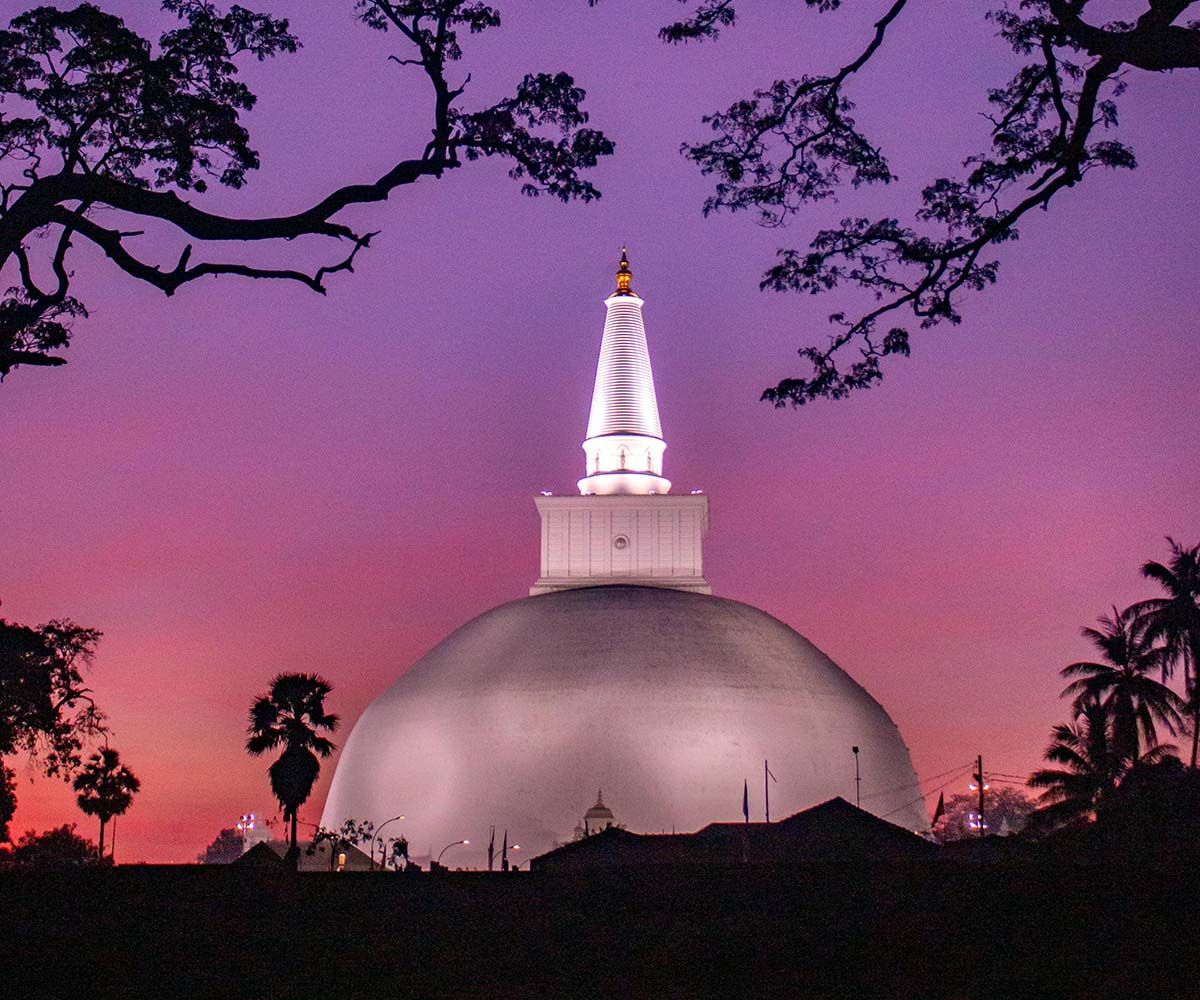
Said to enshrine relics of the Buddha himself, the Ruwanwelisaya was commissioned by King Dutugemunu in the 2nd century BC and is one of the most revered stupas in Sri Lanka. Its gleaming white dome symbolises the purity of the Buddha’s teachings, while its harmonious proportions reflect the architectural ideals of early Buddhist civilisation.
Encircled by stone elephants and adorned with prayer flags and strips of white devotional cloth, the stupa remains an active centre of worship and particularly comes alive at sunrise and sunset when pilgrims gather barefoot to walk its perimeter in quiet devotion.
Jetavanaramaya
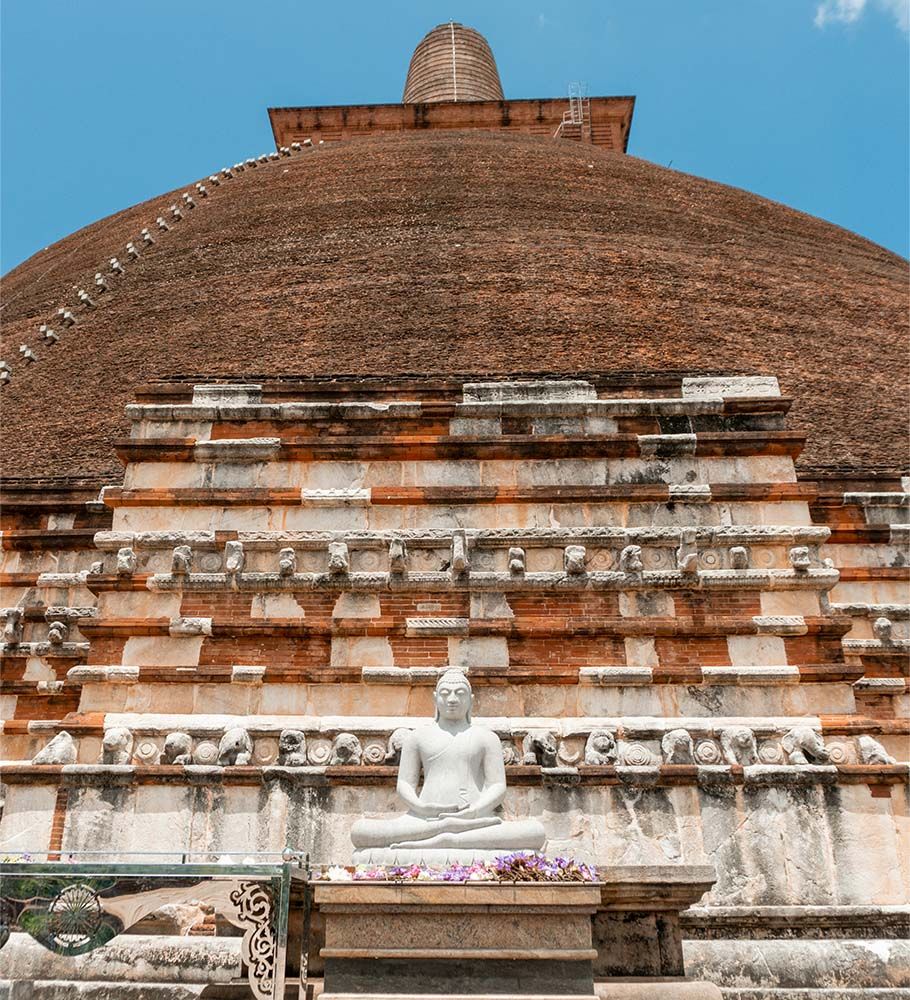
An incredible feat of ancient craftsmanship, Jetvanaramaya was once the tallest brick structure in the world, reaching over 120 metres (400 feet) high. It was built to enshrine the relics of Gautama Buddha and would have formed the heart of a vast monastic complex that was home to thousands of monks.
Built by King Mahasena of Anuradhapura in the 3rd century AD, its concentric rings and intricate carvings give a clear insight into the grandeur and sophistication of this ancient civilisation, where engineering prowess was used for profoundly religious purposes.
Abhayagiri Monastery Complex
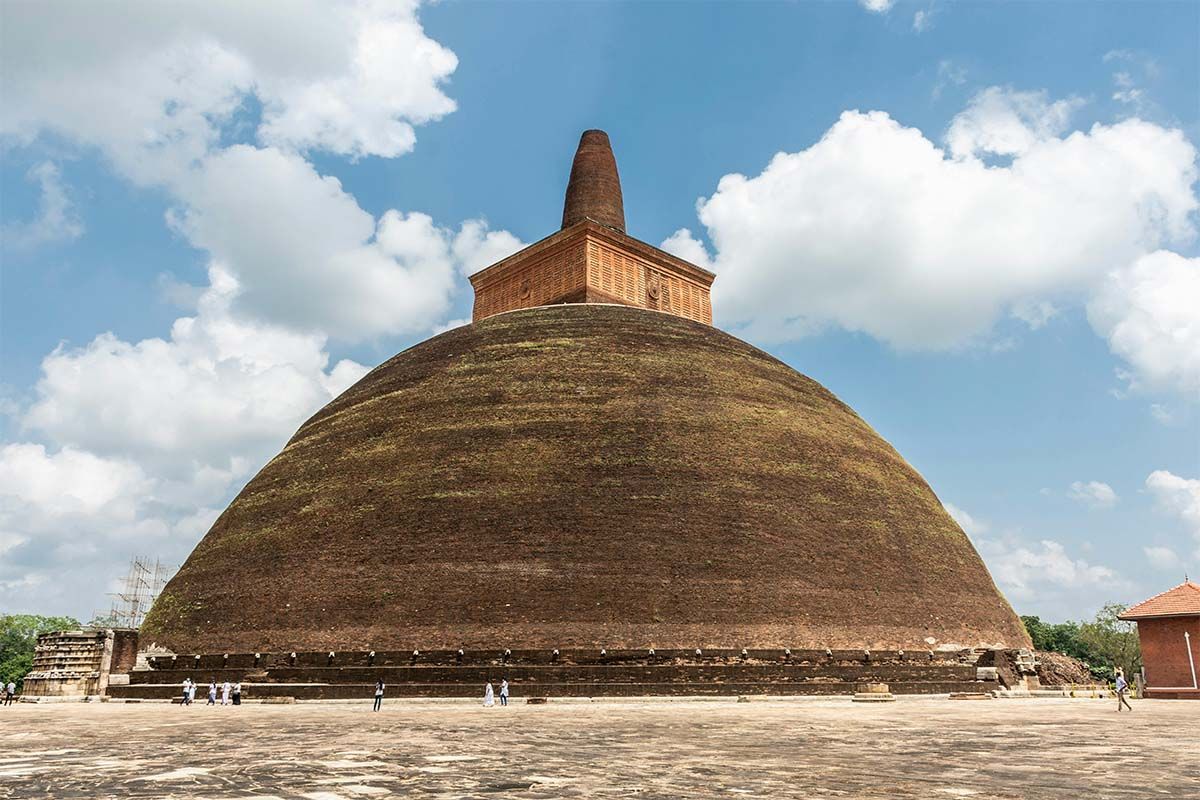
The largest monastic site within Anuradhapura, the Abhayagiri Monastery Complex covers over 200 acres. Built in the 1st century BCE, it was regarded as one of the most influential centres of Buddhist study, with a reputation for being open to diverse schools of thought, enabling the monks here to play a vital role in shaping religious dialogue across the region.
Its crumbling ruins, stone pillars, bathing ponds and ceremonial platforms, provide a quieter, more contemplative contrast to the city’s grand stupas, and give an atmospheric insight into the monastic life that underpinned Anuradhapura’s spiritual authority.
Experiencing Anuradhapura Today
Exploring the Sacred City by Bicycle
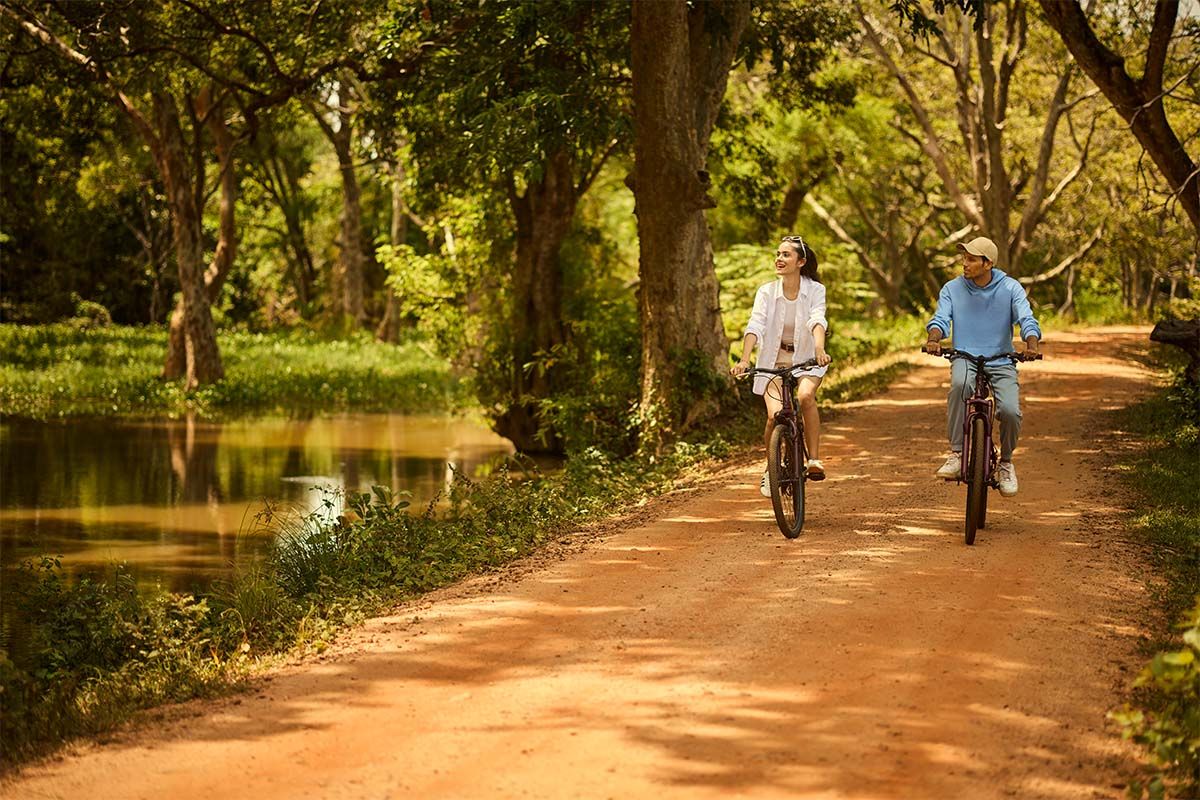
Given the scale of the archaeological site, cycling is one of the easiest ways to explore Anuradhapura, allowing relaxed exploration away from the crowds and offering a calmer sense of connection to the time-worn remains. Guided bicycle tours can be arranged by Uga Ulagalla, following peaceful, tree-lined paths between reservoirs, monasteries and dagobas.
Riding early in the morning offers an intimate insight into the continued, reverential life within this ancient city as the soft light highlights the white stupas and pilgrims begin their daily rituals.
Kayaking Through Ancient Reservoirs
Anuradhapura’s success was inseparable from water, and kayaking across its ancient reservoirs offers a rare perspective on this legacy. These calm paddling experiences reveal the scale and ingenuity of irrigation systems that once sustained one of South Asia’s great ancient capitals.
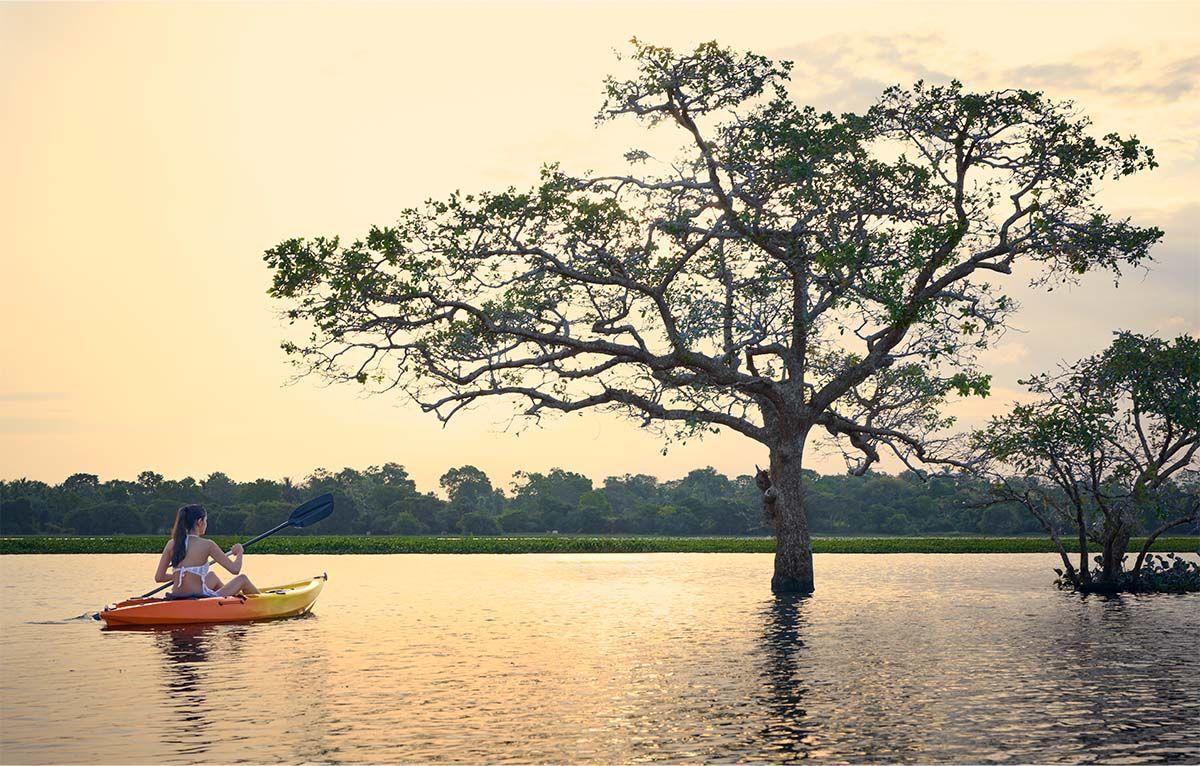
Surrounded by birdlife and forest, the experience provides a moment of stillness and reflection, underscoring how closely civilisation, spirituality and nature were intertwined in the Cultural Triangle’s earliest city.
What to Wear When You Visit Anuradhapura
Anuradhapura remains an active pilgrimage site, so respectful dress is essential. Before entering every sacred area, ensure that your clothing covers both your shoulders and your knees. A shawl or scarf can be useful to ensure modesty.
Lightweight, breathable fabrics are ideal for the warm climate, and comfortable footwear is recommended for walking between sites. Don’t forget sun protection for extended time outdoors.
Best Time to Visit Anuradhapura
The drier months of May to September give the best weather for visiting Anuradhapura, when rainfall is low and days are bright. Early mornings and late afternoons offer cooler temperatures and the most atmospheric light for exploration.
Anuradhapura holds special significance during Poson Poya in June, which commemorates the arrival of Buddhism in Sri Lanka. While busier, this period offers powerful insight into the city’s living spiritual traditions.
Where to Stay: Uga Ulagalla
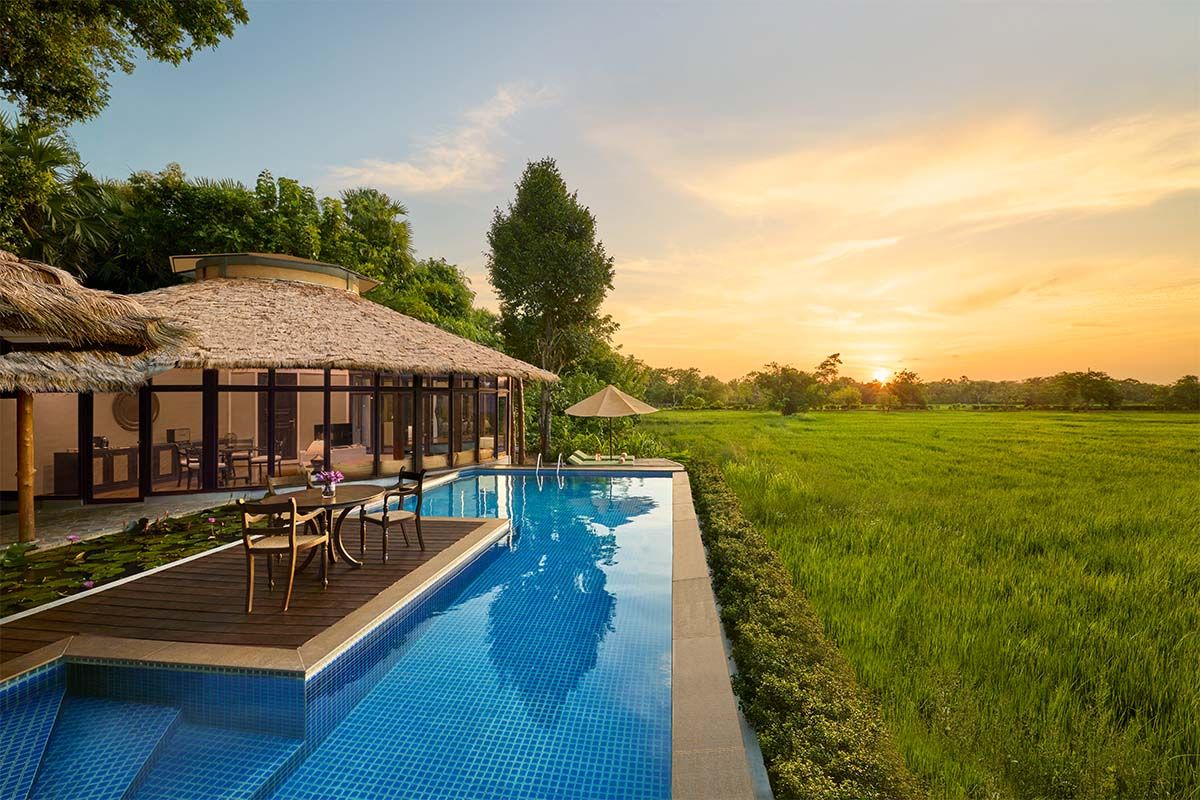
Positioned just outside Anuradhapura, Uga Ulagalla offers an elegant base for exploring the Cultural Triangle’s northern capital. Set within a restored 150-year-old mansion, surrounded by reservoirs, paddy fields and dense forest, the resort mirrors the balance of nature, water and heritage that defined the ancient city itself.
Spacious villas with private plunge pools provide complete seclusion, while curated experiences, offered with local guides, allow guests to explore Anuradhapura with both ease and a greater level of cultural understanding.


 youtube
 instagram
 share
share